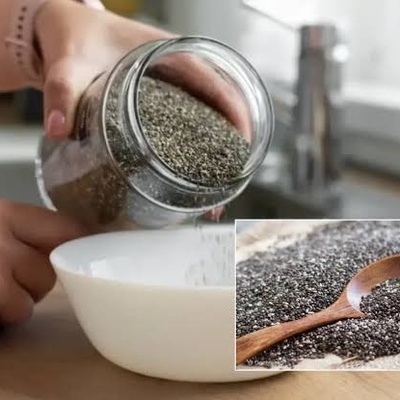
SAEDNEWS: Chia seeds are natural, nutrient-rich seeds packed with essential minerals and beneficial properties. These tiny seeds offer so many health benefits that you may be surprised by their versatility. However, one important thing to know is how to wash chia seeds properly before using them.
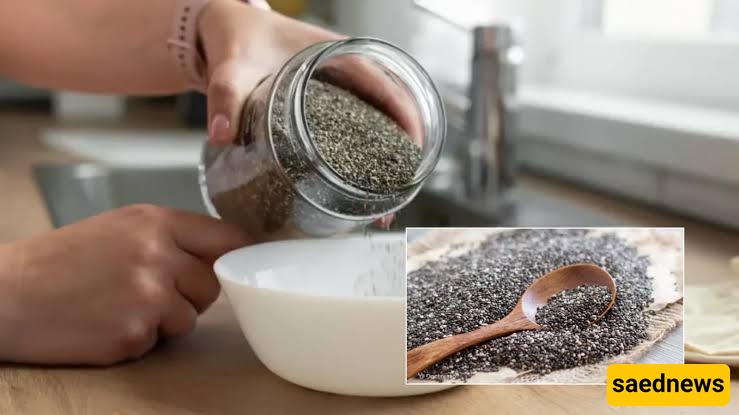
According to Saednews, If chia seeds are not washed properly, large amounts of dust, dirt, and potentially harmful bacteria may enter our bodies along with these nutritious seeds. Washing chia seeds is not difficult and can be done quickly, but it is important to follow a few key steps to prevent them from becoming moldy or spoiled.
It does not matter whether you purchased chia seeds in bulk from a herbal shop or bought packaged seeds that appear clean and ready to use. In either case, it is a good idea to wash them thoroughly. Below, we explain why proper chia seed washing is important and how to do it correctly.
Many people assume that simply picking through chia seeds and removing possible small stones, leaves, pieces of debris, and other particles is enough to make them clean and safe to eat. However, these tiny black and white seeds can contain considerable amounts of dust, environmental contaminants, and other unwanted particles.
If you consume chia seeds without properly washing them, you may ingest these contaminants along with the nutritional benefits of the seeds.
Chia seeds generally have a mild and relatively neutral flavor, which is why they are mostly consumed for their nutritional benefits. However, if you have ever eaten unwashed chia seeds, you may have noticed a slightly bitter or astringent taste.
This unpleasant taste can be caused by dust and various pollutants or contaminants trapped among the seeds. Washing chia seeds thoroughly helps remove these substances and can improve their overall taste.
The outer surface of chia seeds is relatively firm, which may make them more difficult to digest. Washing and properly preparing the seeds can help remove surface impurities and make them easier to consume.
Properly washing chia seeds can also contribute to easier digestion by removing dirt and unwanted particles from their surface.
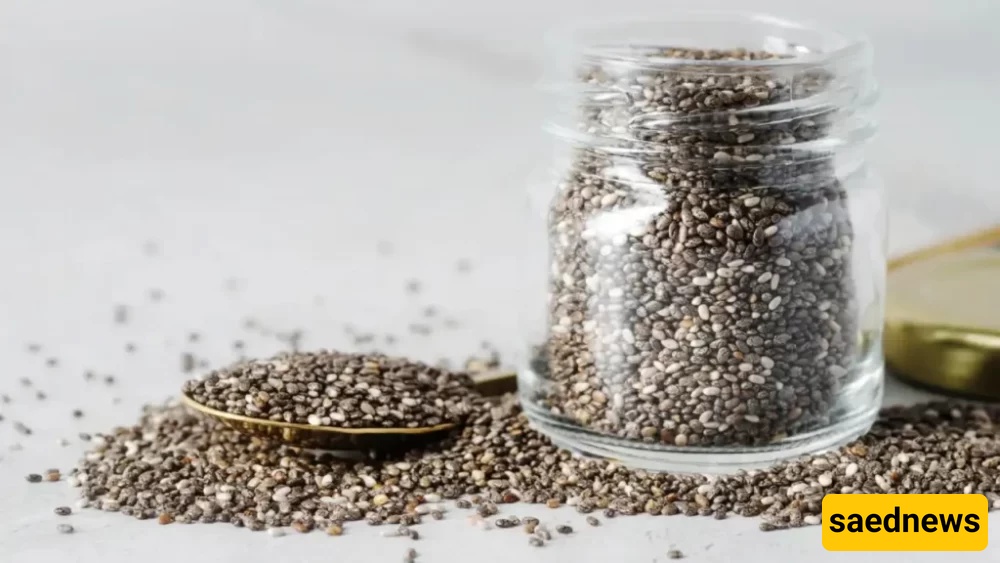
Washing chia seeds is quite simple and does not require any special equipment. A bowl, some cold water, and a strainer or clean towel are generally sufficient.
The main point to remember is to work quickly. Chia seeds absorb water rapidly and begin developing a gel-like coating, so they should be washed before they become fully hydrated.
Follow these steps:
Fill a bowl with cold water and add the chia seeds.
Gently wash the seeds with your fingers, making sure the water reaches all of them. If the seeds begin sticking together, use a fork to separate them.
Wait briefly for small leaves, pieces of debris, and other floating particles to rise to the surface. Remove and discard them.
Change the water two or three times, or until it becomes clear and free of visible debris.
Sand and small stones are heavier and will settle at the bottom of the bowl. Carefully transfer the chia seeds to another container, leaving the sediment behind.
Once washing is complete, place the seeds in a strainer or spread them on a clean cotton cloth or towel to dry thoroughly.
Once completely dry, store the seeds in a clean glass container in the refrigerator and take out only the amount you need each time.
If you plan to consume the chia seeds immediately, you can use a simpler method. Place the seeds in a container of water and let them soak for about 10–15 minutes.
Then strain the seeds to remove excess water as well as particles such as sand and small stones before consuming them.
This method is suitable when you intend to eat the chia seeds right away because soaking causes them to absorb water and develop their characteristic gel-like texture. However, hydrated chia seeds do not keep as well as dry seeds.
Washing chia seeds is relatively simple, but there are several points worth keeping in mind:
Chia seeds absorb water and develop a gel-like coating, similar to basil seeds. Therefore, avoid washing them for an unnecessarily long time.
Ideally, finish washing the seeds before they become noticeably gelatinous.
Use cold water when washing chia seeds.
Avoid using hot water, as it may affect the texture of the seeds.
To prevent mold from developing after washing, make sure the seeds are thoroughly dried before storage.
Rather than pouring water directly onto the seeds, add the chia seeds to a container of water and wash them gently.