SAEDNEWS: With its vibrant ruby-red color and creamy texture, beet soup is one of the most beloved winter soups. In this article, discover how to make creamy beet soup, learn about the health benefits of beets, and explore elegant serving tips for a beautiful presentation.
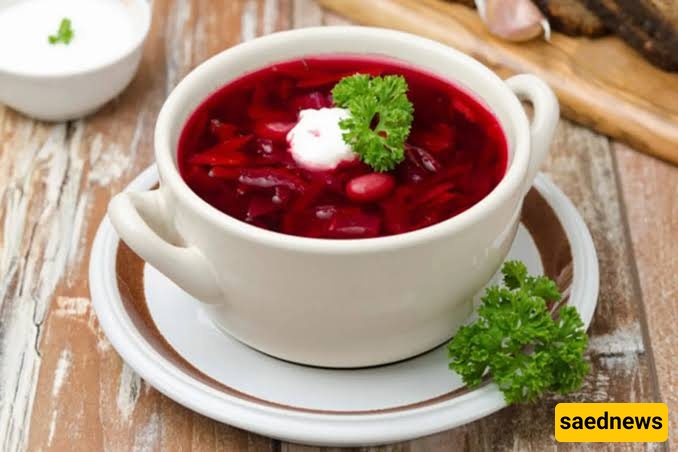
According to Saednews, Beetroot soup is one of the gems of winter cuisine. Its brilliant ruby-red color adds a beautiful touch to both Iranian and Russian dining tables. If you are looking for a simple, healthy, yet elegant soup for family gatherings, a light dinner, or even as the first course at a formal dinner, this recipe is exactly what you need.
Choosing and measuring the ingredients carefully is the first step toward making a delicious beetroot soup. This recipe creates a balanced combination of the natural sweetness of beetroot, aromatic vegetables, and fresh cream, resulting in a smooth, velvety, and well-balanced soup.
Beetroot (red beet): 500 g (about 3 medium beets). Choose fresh, large, firm beets for the best flavor.
Yellow onions: 2 medium, to create the aromatic base.
Carrots: 2 medium, to naturally complement the soup's sweetness and color.
Celery stalks: 2, finely chopped, for a pleasant aroma and added depth of flavor.
Fresh garlic: 1–2 cloves, for extra depth and aroma.
Butter: ¼ cup (about 60 g). Good-quality butter gives the soup a rich flavor and smooth texture.
Chicken stock or vegetable stock: 2 cups. Homemade chicken stock provides excellent flavor, while vegetable stock or even plain boiled water can be used for a vegetarian version.
Fresh cream or table cream: 3–4 tablespoons, to create a smooth and creamy texture.
Fresh lemon juice: 2–3 tablespoons. Lemon juice balances the beetroot's sweetness and helps bring all the flavors together.
Salt, black pepper, and a little red pepper (optional): as needed.
Before moving on to the main cooking process, there is an important question to answer: What is the best way to prepare beetroot for soup?
Although the recipe below uses boiled beetroot, the cooking method can have a direct effect on the final quality and flavor of the soup.
Boiling beetroot with the skin on is the simplest method. Wash the beets, place them in a pot, and cover them completely with cold water. Cook over medium heat until tender.
This method produces a soft texture and a relatively bright color.
Roasting beetroot in the oven is one of the best methods for making a more flavorful and elegant beetroot soup.
Preheat the oven to 180°C (350°F). Wrap clean, unpeeled beets in aluminum foil and place them on a baking tray. Roast for 45–60 minutes, depending on their size, until completely tender.
Roasting caramelizes the natural sugars in the beetroot and makes its flavor noticeably sweeter and deeper. Once cooked, allow the beets to cool, then peel them easily.
For soup, roasted beetroot does not absorb excess water and develops an exceptionally rich aroma.
Tip: If you are short on time, you can use commercially prepared, packaged cooked beetroot. Be sure to rinse it thoroughly, as some packaged varieties are preserved in water, vinegar, or salt solutions that may alter the flavor of the soup.
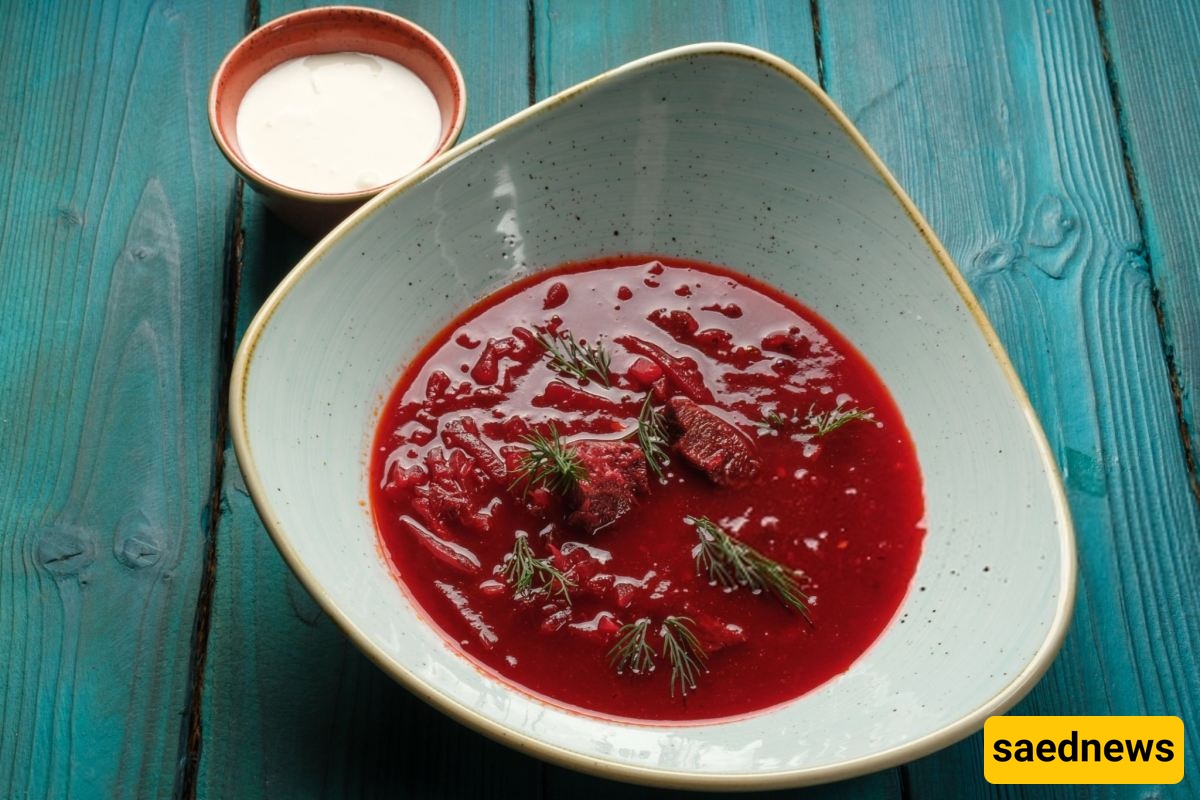
Now we come to the main part of the recipe. Follow these simple steps to prepare a magical soup whose ruby-red color is sure to catch everyone's attention.
The total cooking time is approximately 45 minutes, making it an excellent choice for a quick lunch or dinner.
First, peel the onions and finely dice them or slice them into thin strips. Peel the carrots and cut them into half-moons or small cubes. Wash the celery and chop it into small pieces.
Place a large, preferably heavy-bottomed pot over low heat and melt the butter. Make sure the heat is not too high, as you do not want the butter to burn or turn dark.
Add the chopped onions and sauté for about 5 minutes, until they soften and become lightly golden. Add the grated or finely chopped garlic and cook for another 30–40 seconds, just until the raw garlic aroma disappears.
Add the chopped carrots and celery and sauté the mixture over medium heat for 5–7 minutes. The goal is simply to soften the vegetables, not to brown or fry them.
This gentle sautéing creates the foundation of the soup's flavor.
Meanwhile, if you have cooked fresh beetroot, peel it and cut it into large pieces.
Add the cooked, chopped beetroot to the pot and stir gently so that all the ingredients are combined. Allow the beetroot and vegetables to cook together for about 1 minute, allowing their flavors to blend.
Add the chicken or vegetable stock. If the amount of stock seems insufficient and you prefer a thinner soup, you can add ½ cup of hot water.
Increase the heat and bring the mixture to a boil. Then reduce the heat to low, cover the pot, and simmer for 20–25 minutes.
This gives the carrots and beetroot enough time to become completely tender while allowing all the flavors to blend together.
If the beetroot is particularly firm, it may require additional cooking time. Test it with a knife to make sure it is completely soft.
Once the vegetables are fully cooked and tender, remove the lid and allow the soup to cool for approximately 10–15 minutes.
Be careful: blending very hot soup in a regular blender can be dangerous because the steam may force the lid off and cause burns. Allowing the soup to cool slightly is therefore essential.
Gradually transfer the soup to a blender, food processor, or other suitable blender.
If you are using an immersion blender, the process is much easier because you can purée the soup directly in the pot.
Blend for 1–2 minutes, until the soup is completely smooth and uniform. Make sure no large pieces remain, as the goal is to achieve a silky, velvety texture.
If the soup is too thick, add ½ cup of hot water or a little extra stock and blend again.
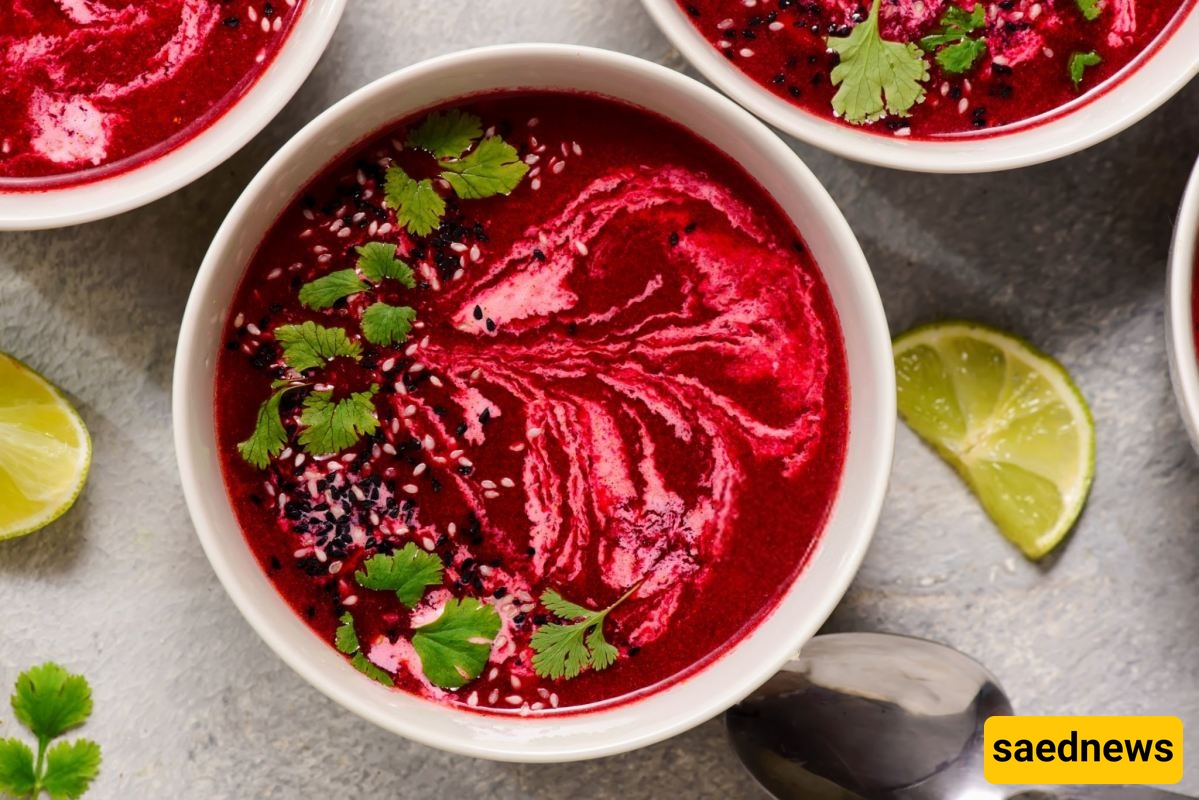
For the best result, return the smooth purée to the pot and place it over very low heat.
Now add the cream gradually, stirring continuously with a wooden spoon so that the cream incorporates completely and evenly into the soup.
The cream gives the soup an especially rich and velvety texture.
Immediately after adding the cream, stir in the fresh lemon juice. Lemon juice helps preserve the soup's beautiful color, reduces the excessive sweetness of the beetroot, and creates a wonderful balance of flavors.
Finally, season with salt and freshly ground black pepper according to your taste.
Taste the soup carefully and adjust the seasoning. If the beetroot is particularly sweet, adding a few extra drops of lemon juice can help balance the flavor.
Heat the soup over very low heat for another 2–3 minutes, allowing the cream and seasonings to blend thoroughly.
At this stage, do not allow the soup to boil.
If a cream-based soup reaches a full boil, the cream may separate or curdle, ruining its smooth texture and causing the soup to become grainy.
Gentle heat and continuous stirring are the keys to maintaining a beautifully smooth consistency.
If you want your beetroot soup to look as elegant and appetizing as it tastes, pay attention to the presentation.
Here are several ways to garnish and serve this beautiful creamy soup:
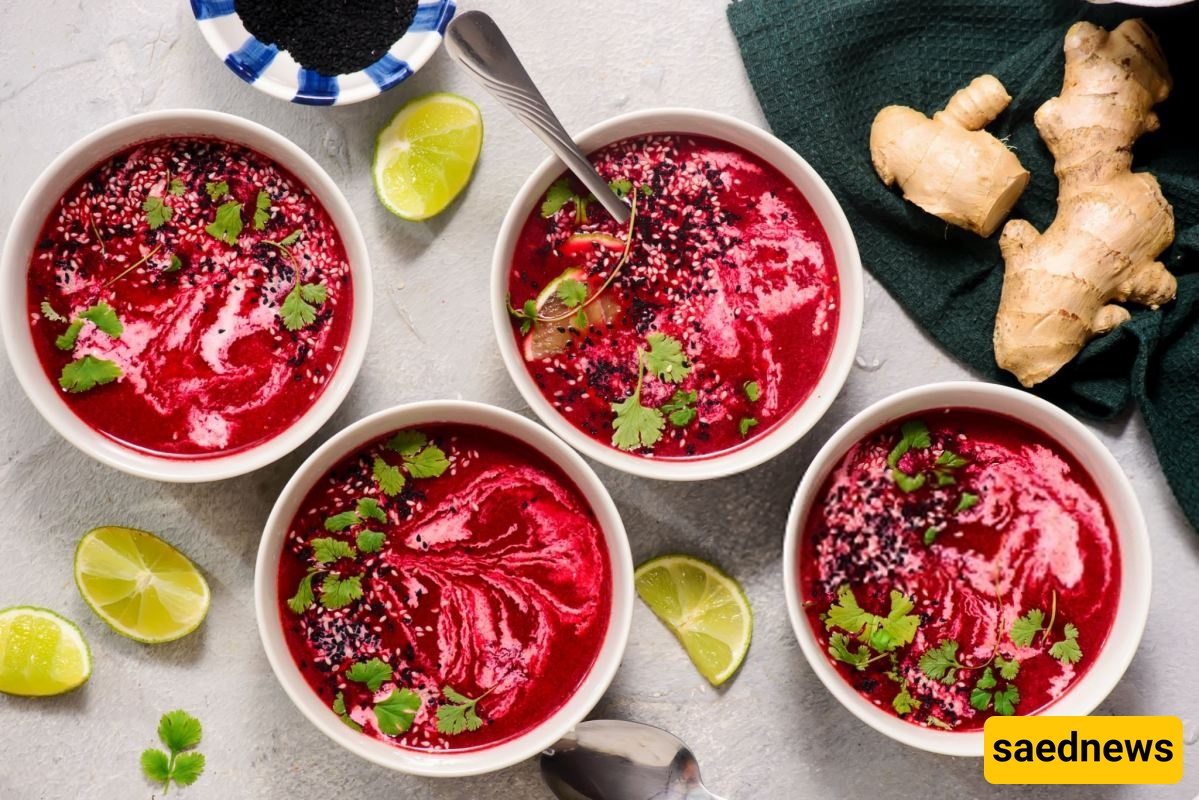
Add a spoonful of fresh cream or Greek yogurt to the center of the soup. Use the tip of a fork to gently swirl it into the soup and create an attractive spiral pattern.
Drizzle a few drops of extra-virgin olive oil over the surface and garnish with fresh herbs such as parsley or cilantro.
Top the soup with lightly fried beetroot pieces—thin slices of beetroot fried in a little oil—or add croutons or toasted bread to provide a pleasant contrast to the soup's soft texture.
For a modern presentation, artistically arrange a few drops of cream and a small drizzle of sesame oil over the surface.
Serve the beetroot soup in soup bowls or simple, deep white bowls. The vibrant red color of the soup stands out beautifully against white dishes, creating an appealing presentation and stimulating the appetite.