SAEDNEWS: Learn how to make delicious, natural homemade peanut butter using several easy methods. Discover simple, chocolate, and sesame variations, along with helpful tips for the best results.
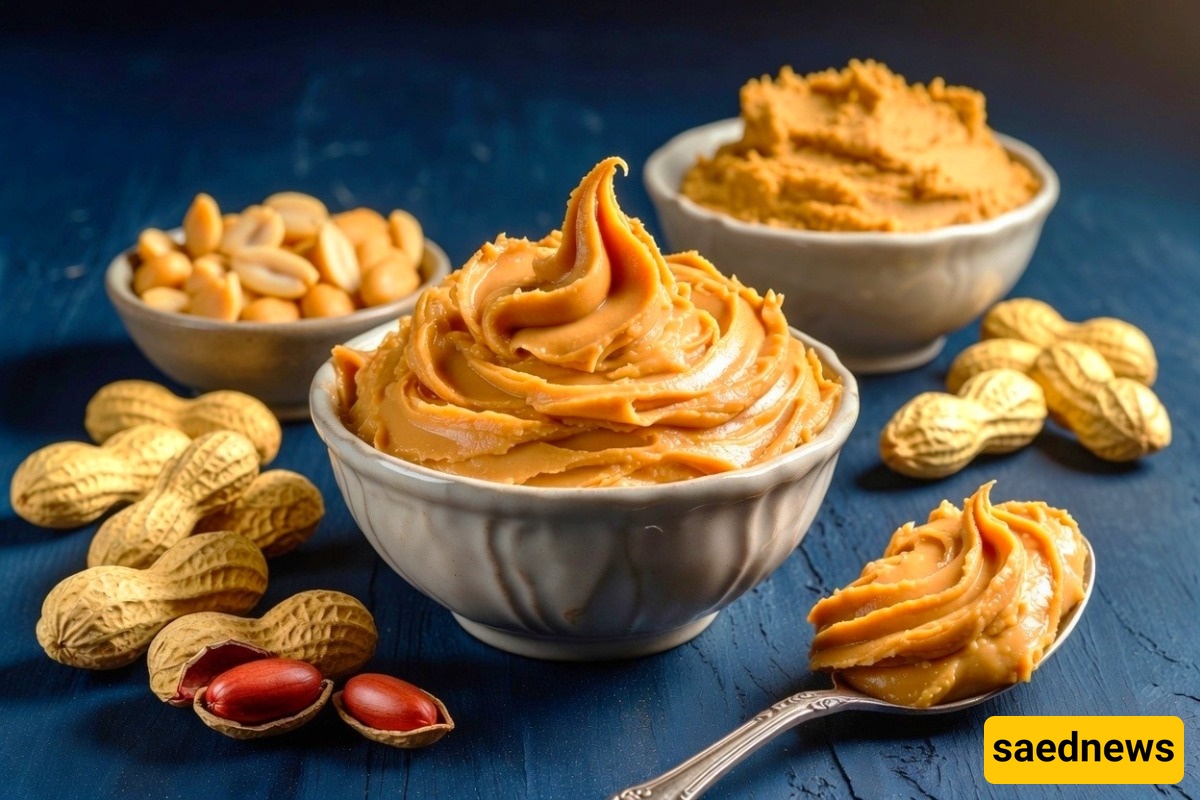
According to Saednews, Homemade peanut butter reaches its best quality when it has a smooth, creamy texture, a natural peanut aroma, and a well-balanced flavor. Achieving this result depends not only on using good ingredients but also on properly preparing and roasting the peanuts and blending them correctly. In this guide, you’ll learn how to make smooth, flavorful, and completely natural peanut butter at home, along with practical tips for getting the best texture and taste.
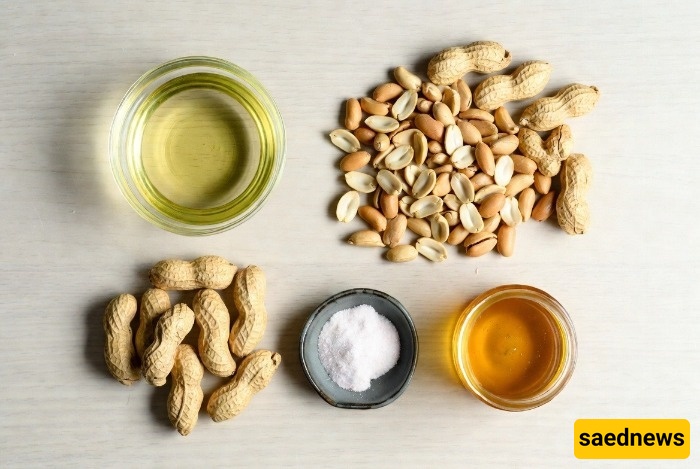
Ingredient | Amount |
|---|---|
Raw or unsalted roasted peanuts | 500 g (about 3 French-style cups) |
Neutral-flavored vegetable oil (optional) | 1–2 tbsp |
Salt (optional) | ¼ tsp |
Honey, sugar, or preferred sweetener (optional) | 1–2 tbsp |
Preparation time: 15 minutes
Cooking/processing time: 30–40 minutes
Yield: 1 medium jar
Making homemade peanut butter with a blender is simple. The quality of the peanuts, roasting level, and blending time are the three main factors affecting the final aroma, flavor, and consistency.
The quality of the peanuts has a major impact on the final flavor and texture. Use fresh, good-quality, unsalted peanuts.
If using raw peanuts, roast them for about 10–15 minutes at 180°C (350°F) in the oven, or roast them in a pan over low to medium heat, stirring frequently.
If you are using roasted peanuts, simply make sure they are fresh and unsalted before proceeding.
After roasting, let the peanuts rest for 5–10 minutes so they are no longer extremely hot but remain slightly warm.
Remove the thin skins by rubbing the peanuts between your hands or inside a clean kitchen towel.
Blending the peanuts while they are still slightly warm helps their natural oils release more easily, resulting in a smoother and creamier peanut butter. A small amount of skin remaining is not a problem, but removing as much as possible will produce a finer texture.
Place the peanuts in a food processor or a suitable high-powered blender and turn it on.
At first, the peanuts will become chopped and powdery. Gradually, their natural oils will be released, and the mixture will turn into a thick paste before becoming smooth and creamy.
Stop the machine every 30–60 seconds and use a spatula to scrape the mixture from the sides and push it back toward the blades. Continue until the peanut butter reaches an even consistency.
Once the peanut butter reaches your preferred consistency, add salt, honey, sugar, or a small amount of neutral-flavored oil if desired.
Blend for another 1–2 minutes until everything is fully incorporated.
If the peanuts release enough natural oil, adding extra oil is usually unnecessary.
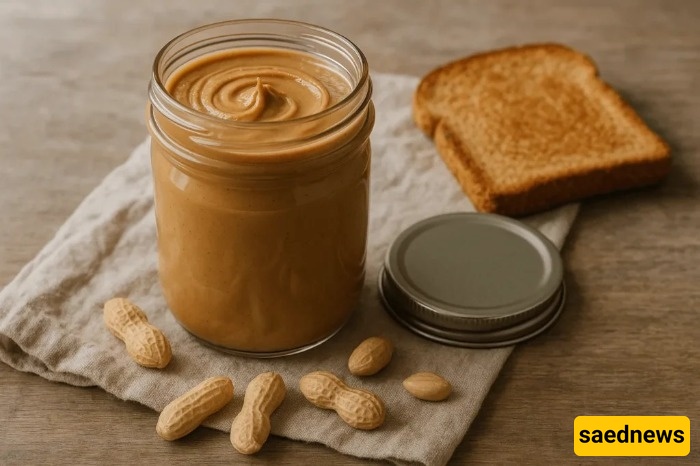
Transfer the finished peanut butter to a clean, completely dry glass jar. Close the lid tightly and store it in the refrigerator.
If natural oil separates and rises to the surface over time, simply stir the peanut butter gently before eating to restore an even consistency.
A few simple techniques can significantly improve the quality of homemade peanut butter:
If you do not have an oven, roast the peanuts in a pan over low heat, stirring frequently to prevent burning.
For crunchy peanut butter, stop blending slightly earlier and leave some small peanut pieces in the mixture.
For flavored peanut butter, add ingredients such as cinnamon, cocoa powder, vanilla, or honey toward the end so you can adjust the flavor more easily.
If making a large batch, divide it among several small jars. This allows you to open only one jar at a time and helps the rest stay fresher.
Always use a clean, dry spoon when taking peanut butter from the jar to prevent moisture from getting inside.
For the most natural flavor and best texture, use fresh, unsalted peanuts.
If you do not have a food processor or blender, you can also make peanut butter using an electric grinder, provided it has enough power.
First, roast the peanuts as described above and allow them to cool slightly. Place them in the grinder and process them in several short bursts. Allow the machine to rest for a few seconds between each cycle to prevent the motor from overheating.
During processing, scrape the peanuts from the sides and move them toward the blades so that everything is ground evenly.
After several cycles, the peanuts’ natural oils will begin to separate, changing the mixture from a powder into a paste and eventually into creamy peanut butter.
If the finished peanut butter is still too thick, add about 1 teaspoon of neutral-flavored oil or peanut oil and process for a few more seconds.
Tip: Small household grinders are not designed for continuous operation. Work with small quantities and take short breaks to avoid putting too much strain on the motor.
If a meat grinder is the only appliance available, you can still make homemade peanut butter. However, the final texture will generally be somewhat more grainy than peanut butter made with a food processor or blender.
Grind the roasted and cooled peanuts 3–5 times until they become very fine and paste-like. Regrinding the peanuts repeatedly helps break them down further and gradually releases their natural oils.
If the mixture still seems dry after several passes, add about 1 teaspoon of neutral-flavored oil or peanut oil and grind it once more.
Tip: If your meat grinder has plates with different hole sizes, start with the coarse plate and use a finer plate during subsequent passes. This helps produce a more uniform and smoother texture.
For a different aroma and flavor, add 2–3 tablespoons of white sesame seeds to the basic peanut butter recipe.
Lightly toast the sesame seeds for 2–3 minutes over low heat until fragrant. Allow them to cool slightly, then add them to the peanuts.
Blend everything as described in the main recipe until the natural oils from the peanuts and sesame seeds are released and the mixture becomes smooth and creamy.
If desired, add a small amount of honey or salt and blend for another 30 seconds.
Tip: For a mild sesame flavor, 2–3 tablespoons are enough. For a stronger flavor, gradually increase the amount to up to 4 tablespoons. Add the sesame gradually so the natural peanut flavor remains dominant.
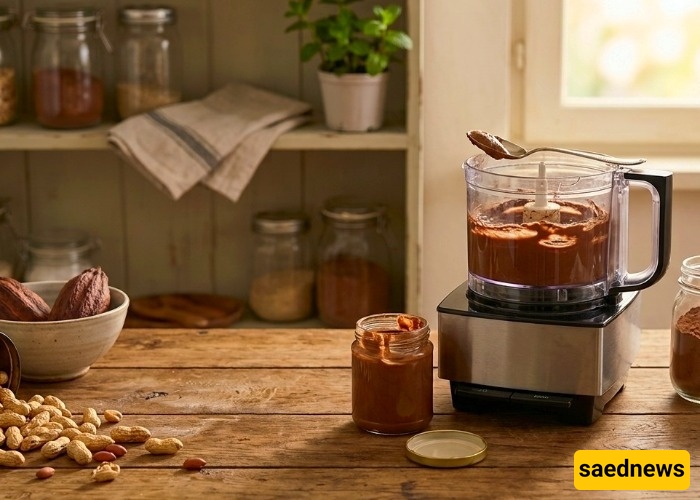
To make chocolate peanut butter, add 2–3 tablespoons of unsweetened cocoa powder to the basic recipe.
Follow the main recipe until the peanuts have turned into peanut butter. Then add the cocoa powder along with 1–2 tablespoons of honey or brown sugar. Blend for another 30–60 seconds until completely smooth and chocolatey.
For a softer, more fluid texture, add 1 teaspoon to 1 tablespoon of peanut oil or neutral-flavored sunflower oil.
If you prefer less sweetness, skip the honey or sugar and add about ¼ teaspoon of salt to balance the flavor.
Tip: Add cocoa powder gradually and taste after each addition. Too much cocoa powder can make the peanut butter excessively bitter and overpower the natural peanut flavor.
Once the peanut butter has reached room temperature, transfer it to a clean, airtight glass container.
Refrigeration helps preserve its flavor, aroma, and texture for longer.
Because homemade peanut butter contains no preservatives, it generally maintains good quality for up to about 3 weeks in the refrigerator. If you have made a large batch, you can freeze it in a suitable container for up to about 3 months.
To maintain quality, remove only the amount you need and close the jar immediately. Always use a clean, dry spoon when serving.
Do not consume the peanut butter if:
It develops a sour or unpleasant smell.
Mold appears on the surface.
Its flavor changes noticeably or becomes unpleasant.
Homemade peanut butter is versatile enough for breakfast, snacks, desserts, and even savory dishes. Try these combinations:
Toast and honey: A classic and nutritious way to start the day.
Banana, apple, or dates: A filling and convenient snack.
Pancakes, waffles, or crepes: A delicious alternative to ready-made breakfast spreads.
Oatmeal, porridge, or granola: Adds protein and a creamy texture.
Smoothies and milkshakes: A single spoonful can enhance both flavor and nutritional value.
Cookies, brownies, cakes, and homemade desserts: Adds a rich, nutty flavor.
Peanut sauce: Combine peanut butter with lemon juice, soy sauce, and a little honey to make a flavorful sauce for salads or certain Asian-inspired dishes.
Serving idea: For a quick and energizing snack, spread peanut butter over toast and top it with sliced banana or strawberries. It is filling, flavorful, and takes only a few minutes to prepare.
Yes. You can replace part of the peanuts with hazelnuts, almonds, walnuts, pistachios, or other nuts to create different nut-butter flavors.
Bitterness is usually caused by roasting the peanuts too much or burning them. To prevent this, roast the peanuts over moderate heat and avoid allowing them to become excessively dark.
For better quality and to help prevent flavor changes, it is best to store homemade peanut butter in the refrigerator.