SAEDNEWS: Rice is a staple of the Iranian table, but sometimes, due to a few common mistakes, it may remain undercooked, hard, and dry after steaming.
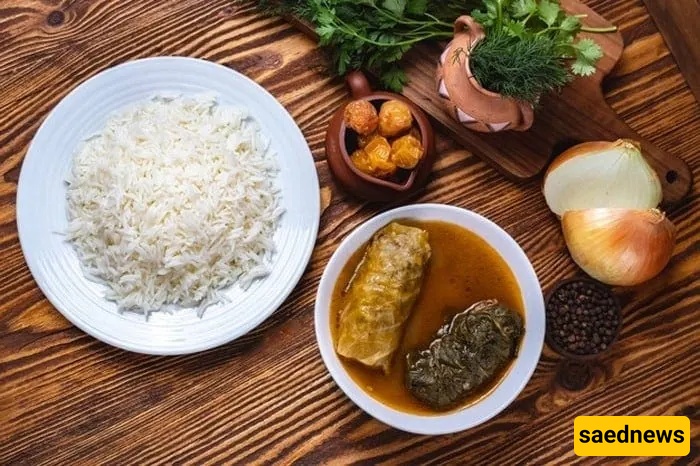
According to Saednews, Rice is one of the main staples of Iranian cuisine and is commonly served with different types of stews, kebabs, and other dishes. Most people love the aroma and flavor of Persian rice, but sometimes mistakes during cooking can prevent the rice from becoming soft and fluffy. Instead, after steaming, the grains may remain undercooked, firm, and dry.
So, what causes rice to become dry and hard, and what can you do to fix it? Here are the most common reasons and practical solutions.
One of the most common ways to prepare Persian rice is the آبکش (abkesh) method, in which the rice is partially boiled and then drained before steaming.
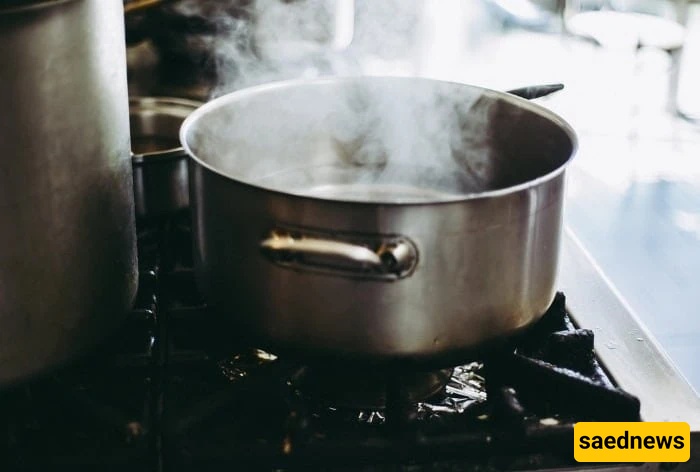
If the rice is drained too early, the grains may remain undercooked. Some people intentionally boil the rice for less time because they are afraid of making it mushy. However, insufficient boiling can leave the grains firm, and they may not soften enough during steaming.
The exact boiling time varies depending on the type of rice. The rice should be drained when the grains are neither too hard nor overly soft.
Another common preparation method is kateh, in which the rice cooks directly in water until the water is absorbed.
If you do not add enough water, the rice will not have enough moisture to cook properly and will become dry and hard. Using the appropriate amount of water is therefore essential for soft, fluffy rice.
When making kateh rice, you should not allow every last drop of water to evaporate before steaming.
If all the moisture disappears and you then cover the pot to steam the rice, the grains may become dry and firm. To prevent this, place the lid and steaming cloth on the pot while a small amount of moisture remains.

However, there should only be a little water left. Too much water can make the rice mushy.
Insufficient oil can also contribute to dry rice. When preparing kateh, you can add some oil at the beginning of cooking. For drained rice, a small amount of oil can be added to the bottom of the pot, with additional oil poured over the rice while it steams.
Avoid using excessive amounts of oil.
Heat control plays an important role in cooking rice.
When making kateh, excessive heat causes the water to evaporate too quickly. The rice then does not have enough time to cook properly and can become hard.
With drained rice, using very high heat can cause the bottom of the pot to burn before enough steam develops. Once the rice begins steaming, reduce the heat so that sufficient steam remains inside the pot.
Repeatedly opening the pot during steaming allows the accumulated steam to escape. As a result, the rice may not steam properly and can remain firm.
Try to keep the lid closed for at least the first 20 minutes of steaming.
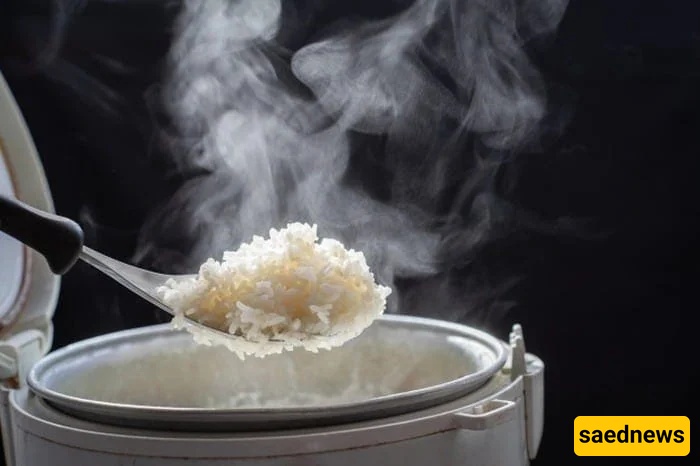
If your rice has already turned out hard or undercooked, you can try these solutions:
For drained rice, sprinkle a small amount of boiling water and oil over the rice, then continue steaming.
If kateh rice is too firm, add a little water around the edges of the pot and allow it to steam longer.
Avoid repeatedly opening and closing the lid while the rice is steaming.
Briefly increase the heat to generate more steam, then reduce it again. Be careful not to burn the rice.
If you want softer, better-steamed rice, you can add a little water and oil to the bottom of the pot instead of preparing a traditional crispy tahdig, then place the rice on top and continue steaming.