SAEDNEWS: Cooking can change the natural color of vegetables because heat affects their pigments, structure, and freshness. Understanding these changes helps preserve the appearance, taste, and nutritional value of vegetables during meal preparation.
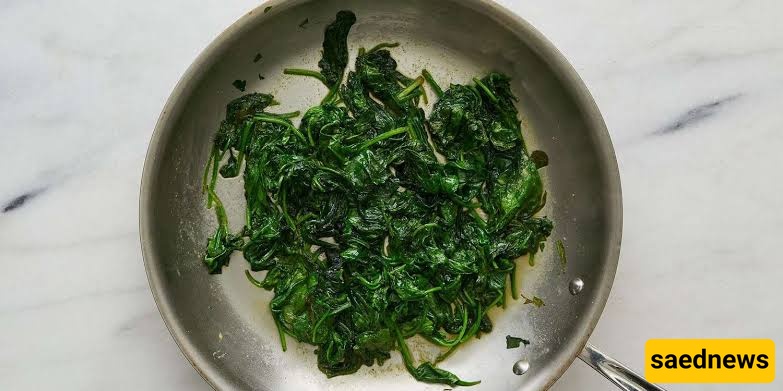
According to SAEDNEWS, many vegetables become less colorful after cooking because their natural pigments react to heat, water, and cooking time. The bright colors seen in fresh vegetables come from special compounds that can change when exposed to high temperatures. Learning how these changes happen can help create more attractive and flavorful meals.
Heat is one of the main reasons vegetables lose their original color. Long cooking times can break down some natural pigments, making vegetables appear darker or less vibrant. Cooking vegetables for the right amount of time helps maintain their fresh appearance while still improving their texture and taste.
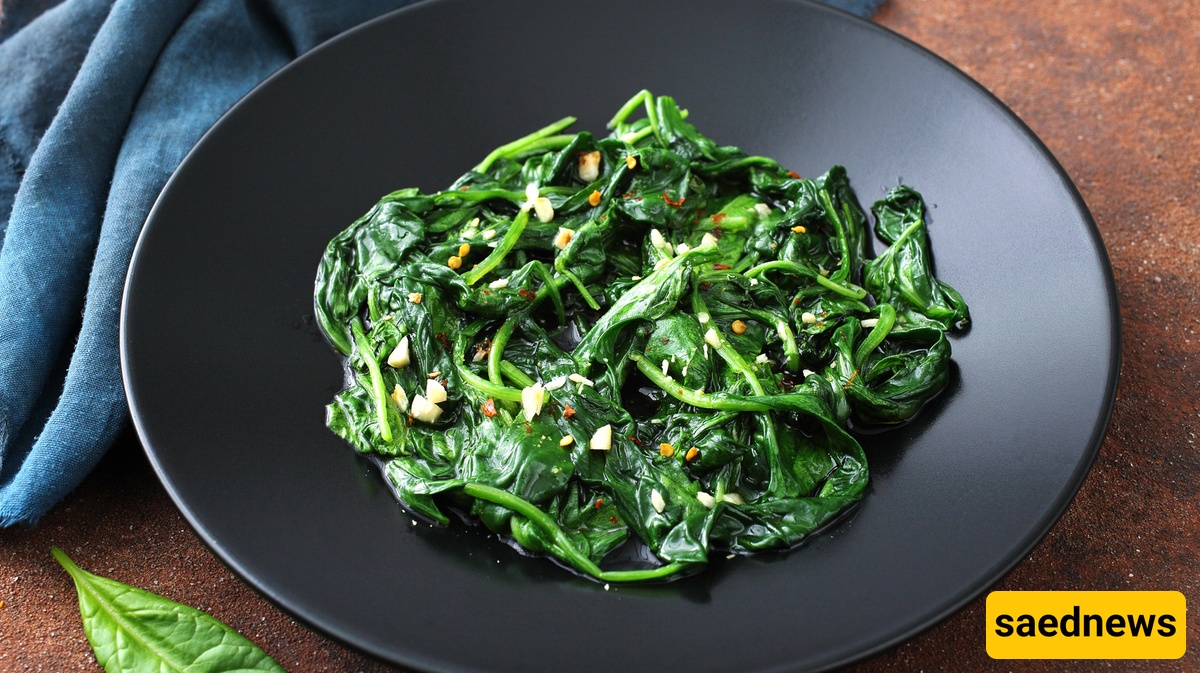
Cooking vegetables in large amounts of water can also affect their color. Some natural compounds may move from the vegetables into the cooking water, causing the vegetables to look pale. Using suitable cooking methods and avoiding unnecessary water can help keep more of the natural color inside the vegetables.
The longer vegetables are exposed to heat, the more their structure and color may change. Gentle cooking methods and shorter cooking periods often help vegetables maintain their appearance. Controlling temperature is an important step in keeping meals visually appealing.
Adding vegetables at the appropriate stage of cooking and avoiding overcooking can make a noticeable difference. Washing and preparing vegetables properly before cooking also helps protect their natural qualities. Small adjustments in kitchen habits can help maintain better color and improve the overall quality of meals.