SAEDNEWS: With meal prep, you can prepare several days’ worth of meals in just a few hours. This saves time during the week and makes it easier to enjoy healthy, homemade food without the daily stress of cooking. In this article, you’ll learn about the benefits of meal prep and the key steps to getting started.
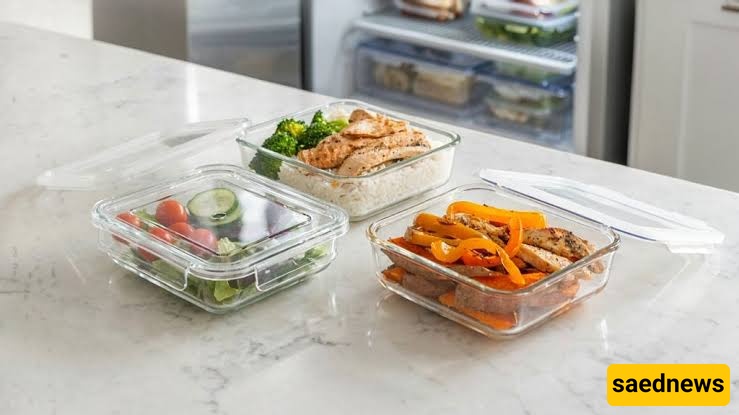
According to Saednews, These days, meal prepping has become increasingly popular. By spending just four to five hours in the kitchen, you can prepare meals for several days ahead. Then, instead of worrying about cooking every day, you can simply take a prepared meal from the refrigerator or freezer, heat it up, and enjoy it.
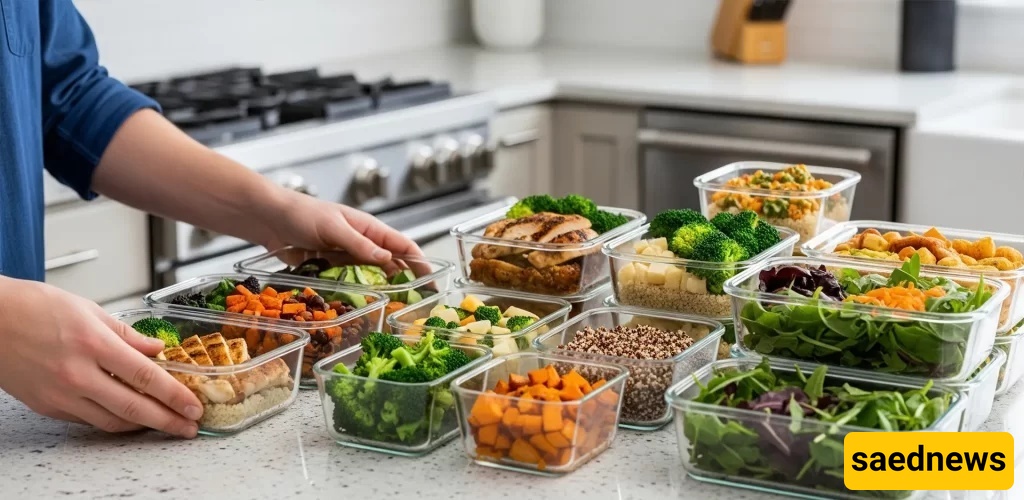
Meal prep means preparing your meals—and even your snacks—for the next several days in advance. Instead of cooking every day, you prepare several meals at once, portion them into sealed containers, and store them in the refrigerator or freezer until you are ready to eat them.
Preparing meals ahead of time offers many advantages. Contrary to the common belief that “leftover food is not good,” meal prepping does not mean eating old or low-quality food. It is especially useful for busy people or parents who do not have enough time to cook every day.
The main benefits include:
Saving time spent cooking every day
Having access to healthy, homemade meals
Knowing exactly what ingredients are in your food
Making it easier to stick to a specific diet
Keeping your meals varied and well planned
Reducing food waste and unnecessary spending
Reducing the temptation to order unhealthy takeout because you already have food at home
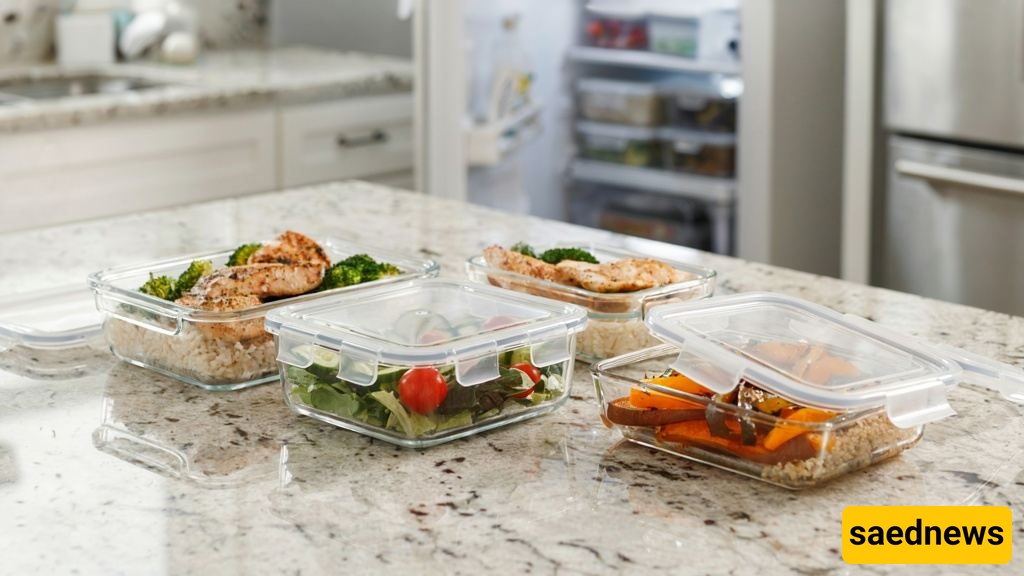
Here is a simple step-by-step guide to getting started. The most important tip is not to take on too much at first. Start small—for example, prepare only three meals rather than trying to plan an entire week.
Start by making a simple menu based on your diet, nutritional goals, and personal preferences. For example, if you enjoy rice-based meals, you can prepare several stews and freeze them to serve with freshly cooked rice throughout the week.
When planning your menu, consider your personal goals as well, such as losing weight, building muscle, or maintaining a balanced diet.
Once your menu is ready, make a list of the ingredients you need and purchase them from the store. Buy only what you actually need. Buying too much can lead to food waste and unnecessary expenses.
Now it is time to start cooking. Follow your meal plan and prepare several portions at once. You do not necessarily have to prepare an entire meal from start to finish. Some ingredients can be fully prepared, while others can be partially prepared and cooked later.
For example, suppose you want to prepare three servings of stew in advance. You can cook all three stews, divide them into portions, and freeze them. On the day you want to eat one, simply prepare fresh rice to serve with it, since rice cooks relatively quickly.
Place the prepared food into suitable airtight containers according to your portion sizes. Label each container with its contents and the preparation date so you can easily identify what is inside and keep track of how long it has been stored.
Finally, place the containers in the refrigerator or freezer and enjoy your ready-to-eat meals over the following days.