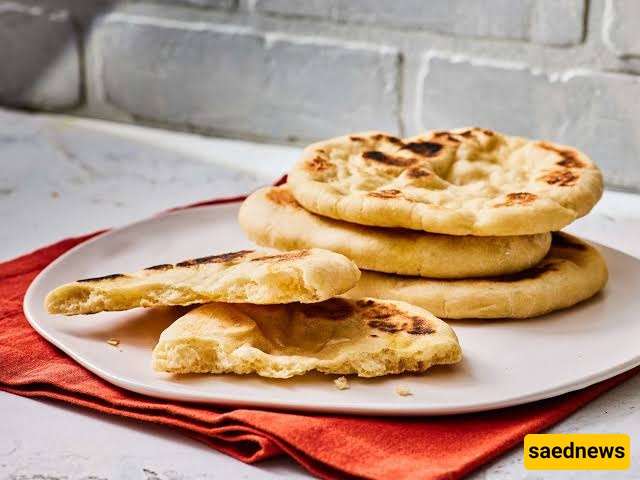
SAEDNEWS: Homemade pita bread does not require professional equipment or complicated techniques. With simple ingredients, the right dough texture, and proper heat, anyone can create soft, fluffy pita with the signature pocket.
According to SaedNews,
Fresh pita bread has a reputation for being difficult to make at home. Many people imagine that achieving the soft texture and famous air pocket requires a special oven, a baking stone, or professional baking skills. In reality, the secret depends mostly on a few basic techniques: a well-prepared dough, even rolling, and enough heat to create steam inside the bread.
Pita is one of the world’s most recognizable flatbreads, traditionally associated with Middle Eastern and Mediterranean cuisines. Its unique pocket forms when moisture inside the dough rapidly turns into steam during cooking, pushing the two layers of dough apart.
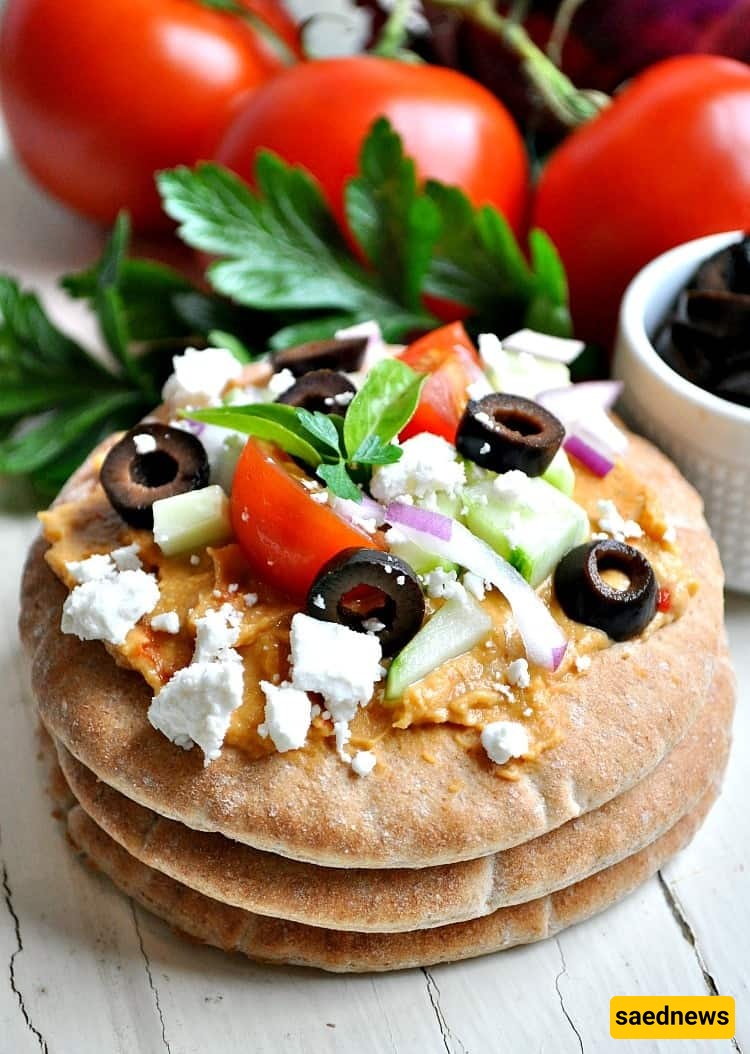
A basic homemade pita requires ingredients that are usually already available in many kitchens:
Flour
Warm water
Yeast
Salt
A small amount of sugar
Olive oil
Bread flour can provide a slightly chewier texture, but regular all-purpose flour can also work well. The important factor is creating a dough that is soft and elastic rather than dry or stiff.
One of the biggest mistakes beginners make is rushing the dough. After mixing and kneading, the dough needs time to rest and rise. This allows the yeast to create air bubbles while the gluten structure develops, giving the pita its soft texture.
The dough should feel smooth and slightly elastic. If it sticks slightly to your hands, that is often better than adding too much flour, which can make the final bread heavier.
The shape of the pita affects whether it develops a pocket. Each piece of dough should be rolled into an even circle with a similar thickness throughout.
If one area is much thinner than another, steam can escape instead of lifting the bread. Keeping the surface smooth and avoiding holes in the dough helps the pocket form successfully.
A common misconception is that homemade pita requires specialized baking equipment. While professional bakeries may use very hot ovens and special surfaces, home cooks can achieve excellent results using ordinary kitchen tools.
A heavy baking tray, a cast-iron skillet, or a regular pan can work. The key is preheating the cooking surface so the dough receives strong heat immediately.
To make fluffy pita without special equipment:
Mix warm water, yeast, sugar, salt, flour, and olive oil into a soft dough.
Knead until the dough becomes smooth and flexible.
Cover and let it rise until it becomes noticeably larger.
Divide the dough into small balls and allow them to rest briefly.
Roll each piece into a thin, even circle.
Cook on a very hot pan or baking surface until it puffs.
The first few pieces may not look perfect, but pita is a forgiving bread. Even a pita that does not fully inflate can still be soft, flavorful, and useful for wraps, dips, or sandwiches.
Fresh pita is best served warm, but proper storage can keep it enjoyable later. Placing cooked pita under a clean kitchen towel while it cools helps retain moisture and prevents it from becoming dry.
Once cooled, the bread can be stored in an airtight bag or frozen for later use.
Making pita at home is less about complicated equipment and more about understanding how dough, heat, and steam work together. With patience and a few everyday ingredients, a simple kitchen can produce bread that rivals many store-bought versions.