SAEDNEWS: Keshk stew is a hearty traditional dish from Hamadan, where the unique combination of keshk (fermented whey) and chickpeas creates a distinctive flavor. It’s typically served with Sangak bread and fresh herbs, making it a perfect choice for cold days. Below, you’ll learn how to prepare this delicious stew.
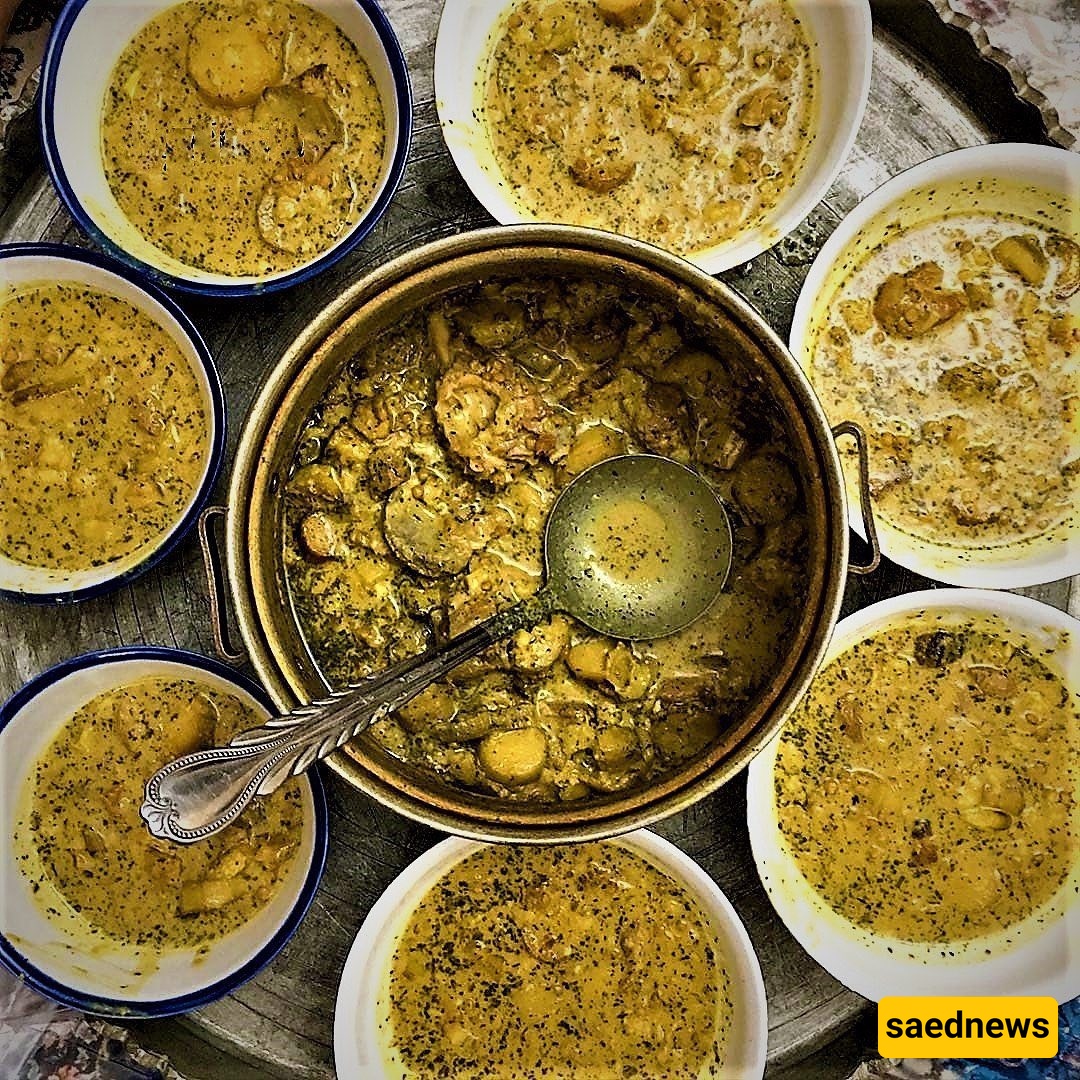
According to the Saed News Cooking Service, Kashk and Eggplant Stew is a type of traditional stew that originates from the Kerman province. While it is also prepared in some other regions of Iran, this stew typically includes meat, eggplant, legumes, kashk (fermented whey), and other ingredients. Kermani stew is especially appealing to lovers of rich eggplant flavors. Here’s a step-by-step guide to making this flavorful dish from Namnak Kitchen.
Ingredient | Quantity |
|---|---|
Ground kashk | 1 cup |
Fatty meat with bone | 500 g |
Chickpeas and white beans | 200 g |
Peeled potatoes | 1 medium |
Onion | 1 medium |
Long eggplants | 8 pieces |
Beetroot, sliced | 1 medium |
Cucumbers | 4 pieces |
Salt, pepper, turmeric | As needed |
Step 1: Soak the legumes for several hours to reduce bloating.
Step 2: Peel the eggplants and soak them in salted water to remove bitterness and reduce oil absorption.
Step 3: In a suitable pot, combine meat, onion, and soaked legumes with some water. Cook over heat until the meat is fully tender.
Step 4: Add peeled potatoes, salt, pepper, and turmeric to the pot. Let the stew simmer until fully cooked.
Step 5: Once the potatoes are cooked, remove the stew from heat. Make sure there is enough broth remaining.
Step 6: Rinse the eggplants with cold water after removing them from the saltwater, dry them, and fry them in oil.
Step 7: In a pan, layer the beetroot slices and top them with the fried eggplants. Pour some of the stew broth over them and cook over low heat until the beetroot softens.
Step 8 (Final Step): Mash half of the cooked beetroot with kashk and some stew broth, then return the mixture to the pot. Simmer over low heat until fully incorporated. Arrange the remaining eggplants and beetroot in a serving dish and garnish with chopped cucumbers.
This stew can be served for lunch or dinner.
Kermani stew is suitable for both Suhoor and Iftar during Ramadan.
The recipe serves approximately six people.
Use long eggplants for the best results.
A pressure cooker can save time when preparing the stew.
For convenience, use pasteurized kashk that does not require boiling.