SAEDNEWS: Phytochemistry is the scientific study of the chemical compounds found in plants and their effects on human health and the environment. It is an interdisciplinary field that combines plant science, chemistry, and pharmacology to investigate bioactive plant compounds and explore their potential applications across various industries.
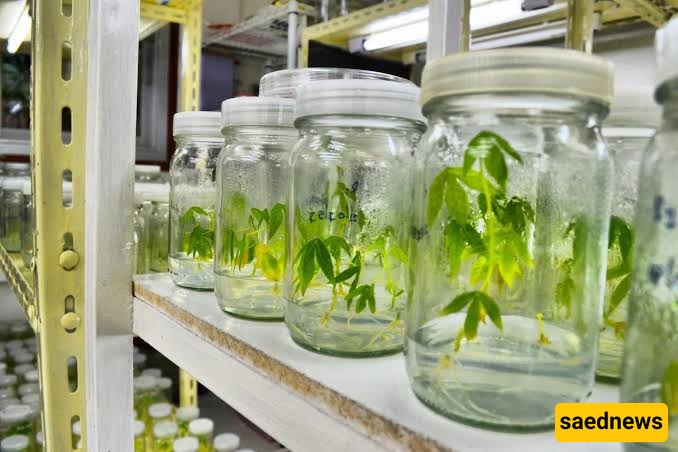
According to Saednews, Phytochemistry is a branch of chemistry dedicated to studying the chemical compounds produced by plants. Many of these substances, commonly known as secondary metabolites, perform important functions within plants and also offer valuable applications for human health, agriculture, food production, and other industries. As an interdisciplinary field, phytochemistry connects closely with biology, agriculture, pharmacology, biotechnology, and environmental science.
The origins of phytochemistry can be traced back to the nineteenth century, when scientists began isolating and identifying chemical substances from plants. As analytical technologies improved, researchers gained a better understanding of the structures, properties, and biological activities of these compounds.
The isolation of caffeine from coffee beans in the early nineteenth century was among the discoveries that helped establish systematic research into plant-derived chemicals. Since then, thousands of naturally occurring compounds have been identified and investigated.
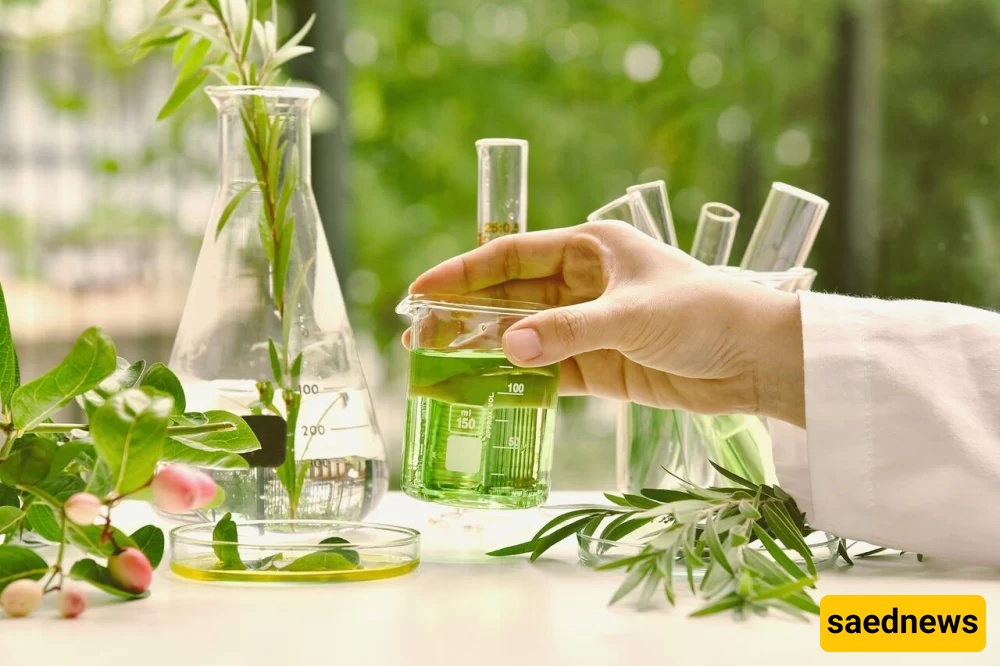
Secondary metabolites are substances produced by plants that are not directly involved in their primary metabolic processes. They can be divided into several major groups:
Alkaloids: Compounds such as caffeine and nicotine that can serve as natural defense mechanisms against herbivores and pests.
Flavonoids: Plant compounds known for their antioxidant properties and their potential biological benefits.
Terpenes: Compounds widely associated with plant aromas, essential oils, and fragrances.
Phenolic acids: Compounds that may exhibit antibacterial, antioxidant, and anti-inflammatory properties.
These compounds play essential roles in plant survival. Alkaloids, for example, can discourage insects and animals from feeding on plants. Flavonoids can contribute to light absorption and help plants respond to environmental stresses. Other secondary metabolites may attract pollinators, protect plants from pathogens, or help them adapt to changing environmental conditions.
Phytochemistry has become an important area of pharmaceutical research because plants contain a wide variety of biologically active molecules. Several important medicines have been developed from natural compounds or inspired by substances originally discovered in plants.

One well-known example is salicin, a compound obtained from willow trees that contributed to the development of aspirin. This illustrates how studying natural plant substances can lead to significant advances in medicine.
The discovery of a useful plant compound generally involves several stages. Researchers first extract chemical substances from plant material and separate them using analytical techniques such as chromatography. The isolated compounds are then characterized to determine their chemical structures and biological properties.
Potentially useful compounds may subsequently undergo laboratory studies and carefully controlled clinical research to evaluate their effectiveness and safety before they can be considered for medical applications.
Plant-derived substances are also widely used in traditional and complementary medicine. Turmeric, for instance, contains curcuminoids that have been extensively studied for their biological activities, including their potential relationship with inflammatory processes. However, traditional use and laboratory evidence do not automatically establish that a plant product is an effective or safe treatment for a particular disease.
The importance of phytochemistry extends beyond medicine. Understanding plant chemicals can contribute to more sustainable agricultural practices by helping researchers develop alternatives to some conventional chemical pesticides.
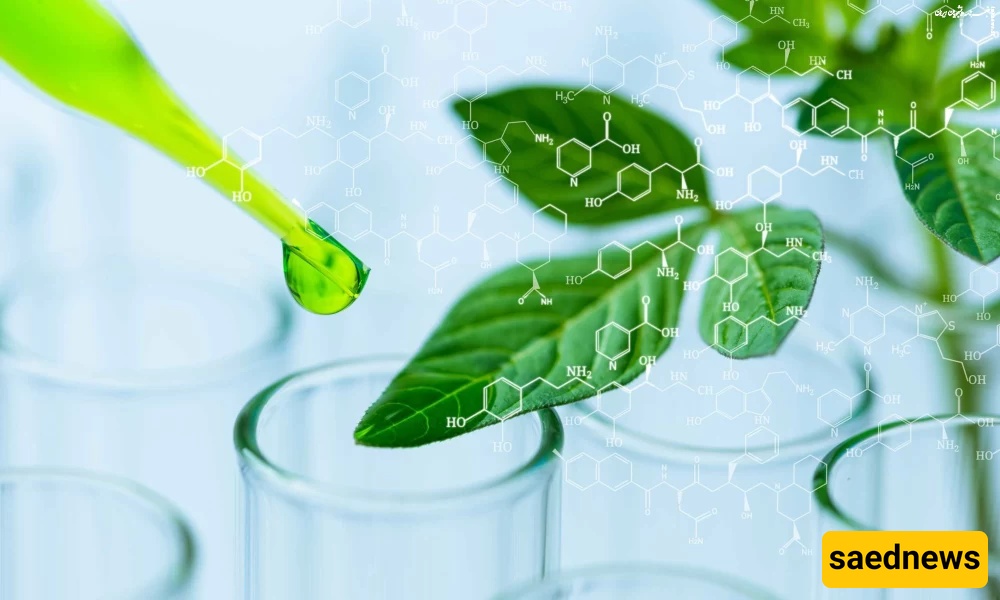
Scientists investigate naturally occurring compounds that can help protect crops from insects, fungi, and other threats. Certain essential oils and plant extracts, for example, have demonstrated antimicrobial or insect-repellent properties and may have applications in crop protection.
Plant metabolites can also influence the nutritional value, color, aroma, flavor, and overall quality of agricultural products. Compounds such as flavonoids and carotenoids contribute to many of these characteristics and are therefore important areas of research in food and agricultural science.
Despite its potential, phytochemistry faces several challenges. Environmental conditions, soil characteristics, temperature, water availability, and plant genetics can all influence the quantity and composition of secondary metabolites.
Climate change may further affect the production of these compounds by altering growing conditions and ecological relationships. At the same time, biodiversity loss and the destruction of natural habitats could reduce access to plant species that contain potentially valuable compounds.
Another challenge is translating promising laboratory findings into reliable, safe, and practical applications. A compound showing biological activity in laboratory experiments does not necessarily become an effective medicine, agricultural product, or food ingredient.
The future of phytochemistry is closely linked to advances in biotechnology, analytical chemistry, genomics, and genetic engineering. Modern technologies allow scientists to identify plant compounds more rapidly and investigate how they are produced and regulated within plants.
Researchers are also exploring ways to produce valuable compounds more efficiently while reducing environmental impacts. Greater emphasis on biodiversity conservation and sustainable resource management may help ensure that plant-based scientific resources remain available for future research.
Phytochemistry investigates a wide range of plant-derived substances, including alkaloids, flavonoids, terpenes, phenolic acids, carotenoids, and many other natural compounds.
Yes. Numerous medicines have been developed from natural compounds or from substances originally identified in plants. However, the medical value and safety of each compound must be scientifically evaluated.
It can help researchers understand plant defense mechanisms, develop plant-based approaches to pest management, and improve the nutritional and sensory qualities of crops.
Yes. Researchers continue to discover new plant compounds and investigate their potential applications in medicine, agriculture, nutrition, biotechnology, and environmental science.
Plant-derived compounds can contribute to food flavor, aroma, color, nutritional value, and preservation. Some are used as natural flavoring or coloring substances, while others are studied for their nutritional properties.
Phytochemistry provides a scientific framework for understanding the remarkable chemical diversity of plants. Its applications extend from pharmaceutical research and agriculture to food science and biotechnology. By identifying and studying plant-derived compounds, researchers can better understand how plants survive and interact with their environments while exploring new opportunities for improving human health and sustainable production.
As analytical technologies and biological sciences continue to advance, phytochemistry is likely to remain an important field for discovering useful natural compounds and developing innovative, environmentally responsible applications.