SAEDNEWS: A lux meter, also known as a light meter, is a device used to measure the intensity of ambient light. In this article, you will learn about the different types of lux meters, measurement units, applications, and how to properly use a lux meter.
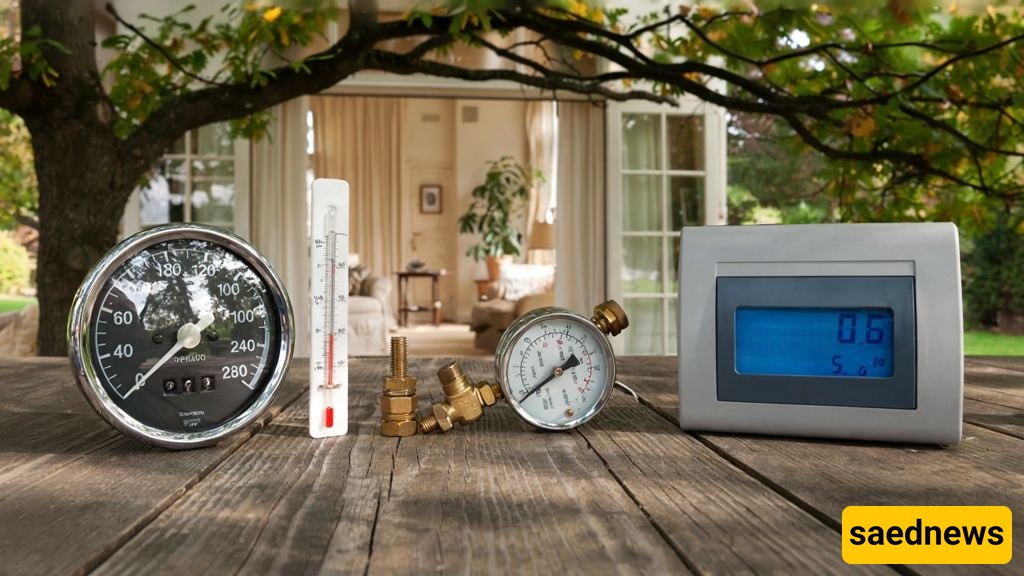
According to Saednews, A lux meter, also known as a light meter, is a device used to measure the intensity of ambient light. It measures brightness in the unit of lux (lx) and helps users determine whether lighting conditions are suitable for different environments. Lux meters are widely used in buildings, factories, hospitals, schools, photography, greenhouses, and industrial workplaces.
A lux meter contains an optical sensor that detects surrounding light and converts it into an electrical signal. The device then processes this signal and displays the measured light intensity as a numerical value on its screen.
A higher lux value indicates greater brightness. Due to their high accuracy, lux meters are commonly used to evaluate lighting standards in workplaces, public areas, and professional environments.
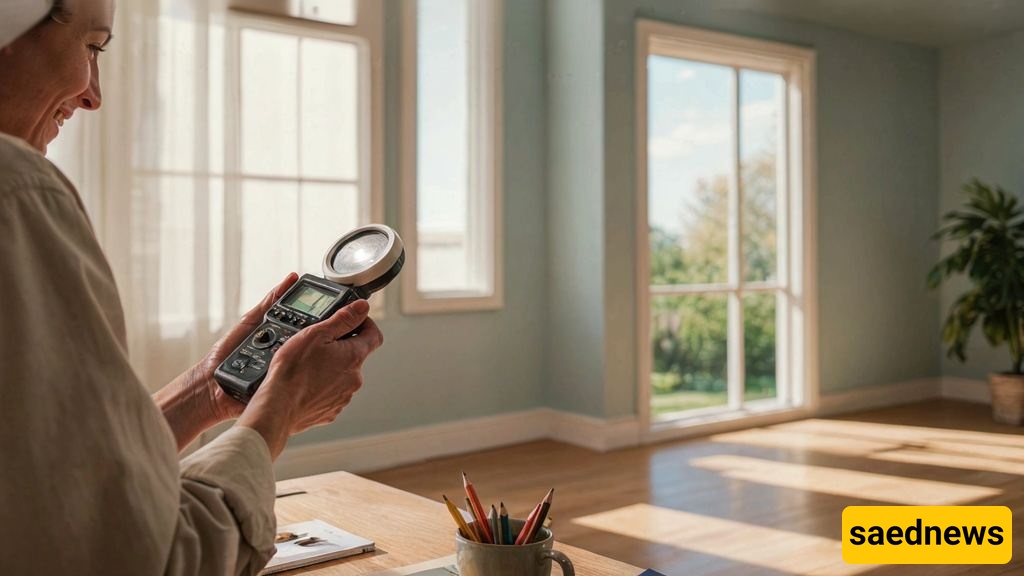
A typical lux meter consists of three main parts:
The sensor receives light from the environment and converts it into an electrical signal.
This section processes the electrical signal and calculates the intensity of light.
The display shows the measured light intensity as a numerical value.
Lux is the SI unit of illuminance. It represents the amount of luminous flux distributed over a specific surface area. One lux is equal to one lumen per square meter.
Candela is the unit of luminous intensity. One candela represents the intensity of light emitted by a standard light source in a specific direction.
Lumen is the unit of luminous flux. It measures the total amount of visible light emitted from a source.

Lux meters are available in different models, including analog, digital, and professional versions.
Digital lux meters are the most popular because they provide:
High measurement accuracy
Fast data display
Data recording capabilities
Advanced models may also support connection to computers or smartphones, allowing users to save and analyze measurement results. These features make them highly useful for engineers, lighting specialists, and technical professionals.
Lux meters are used to evaluate lighting quality in various locations, including:
Offices and workplaces
Industrial facilities
Hospitals and healthcare centers
Photography studios
Greenhouses
Sports halls
Educational environments
Engineers and lighting designers use lux meters to adjust lighting systems according to safety and efficiency standards. They also help reduce unnecessary energy consumption by ensuring that lighting levels are optimized.

Although lux meters differ in design and features, most models operate in a similar way. The basic steps are:
Turn on the device
Switch on the lux meter before taking measurements.
Remove the sensor cover
Take off the protective cover placed over the light sensor.
Select the measurement unit
Choose the required unit based on your needs. For example, press the “Lux” button to measure light intensity in lux.
Place the sensor in the measurement area
Position the sensor on the surface or location where you want to measure light intensity.
Read the result
The measured brightness level will appear on the display.
Turn off and store the device
After completing the measurement, switch off the lux meter and replace the sensor cover.
A lux meter is a precise and practical tool for measuring environmental light intensity. It plays an important role in designing, testing, and improving lighting systems.
Using a lux meter ensures that lighting conditions meet required standards, improves visual comfort, reduces energy waste, and helps maintain a healthier environment. For these reasons, lux meters are considered essential equipment for engineers, technicians, and lighting professionals.