SAEDNEWS: Heart palpitations after eating are usually temporary and harmless, but they may indicate underlying issues such as acid reflux or low blood sugar.
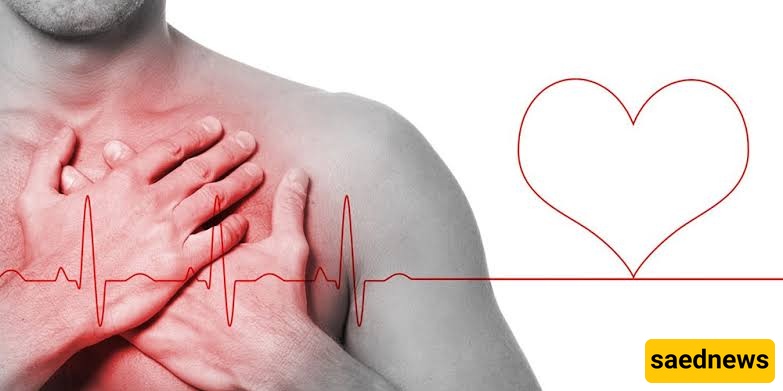
According to Saednews, Heart palpitations—meaning the sensation of a rapid, irregular, or forceful heartbeat—are among the symptoms many people experience after eating. This condition, medically known as “palpitations,” is often temporary and harmless, but in some cases it may indicate an underlying health problem. Experiencing palpitations after meals, especially if it happens repeatedly, can be concerning and may affect a person’s quality of life.
To understand why palpitations occur after eating, it is important to first understand what happens in the body. The digestion process requires increased blood flow to the gastrointestinal system. This increased blood flow forces the heart to pump more strongly and rapidly. This response, known as postprandial hyperemia, is a normal physiological reaction. However, in some individuals, it may lead to noticeable palpitations. The following factors are involved:
Changes in blood volume: After eating, circulating blood volume increases, requiring the heart to work harder.
Autonomic nervous system activity: The sympathetic nervous system (responsible for the fight-or-flight response) may become activated in response to certain foods or blood sugar changes.
Hormonal changes: Hormones such as insulin and adrenaline can influence heart rate.
Consuming large and heavy meals, especially at dinner, places significant pressure on both the digestive system and the heart. A full stomach can push upward against the diaphragm, indirectly affecting heart rhythm. This condition, sometimes referred to as “gastro-cardiac syndrome,” is one of the most common causes of post-meal palpitations.

Certain foods and beverages can directly increase heart rate due to their stimulating properties:
Caffeine: Found in coffee, tea, energy drinks, and chocolate. It stimulates the central nervous system and may increase heart rate.
Alcohol: Can cause dehydration and electrolyte imbalance, both of which may lead to arrhythmia. This is sometimes called “holiday heart syndrome.”
Spicy foods: Capsaicin in chili peppers can stimulate the nervous system and increase heart rate.
Refined carbohydrates and sugary foods: White bread, white rice, sweets, and sugary drinks can cause rapid blood sugar spikes followed by insulin release, leading to adrenaline surges and palpitations.
Some individuals have sensitivities or intolerances to specific foods:
Gluten: In people with celiac disease or non-celiac gluten sensitivity, gluten may trigger inflammation and histamine release affecting heart rhythm.
Lactose: Intolerance can cause bloating and gastrointestinal discomfort, which may contribute to palpitations.
Monosodium glutamate (MSG): Found in processed and restaurant foods; may trigger palpitations in sensitive individuals.
Sulfites and nitrates: Present in processed meats (sausages, deli meats) and dried fruits; may act as triggers.
In some individuals, after consuming a carbohydrate-rich meal, the body releases excessive insulin. This leads to a drop in blood sugar within 2–4 hours after eating. Low blood sugar triggers stress hormones such as adrenaline, causing symptoms like palpitations, tremors, sweating, and anxiety.
Acid reflux can irritate the vagus nerve, which plays a key role in regulating heart rhythm. Stimulation of this nerve due to reflux may lead to arrhythmias and palpitations. Additionally, bloating associated with reflux can increase pressure on the diaphragm and heart.
Insufficient water intake, especially during meals, may lead to relative dehydration. This increases blood viscosity and forces the heart to work harder. Imbalances in electrolytes such as potassium, magnesium, and calcium—essential for proper heart function—can also lead to palpitations. Diets high in processed foods and fast food, which are rich in sodium and low in potassium, can worsen this imbalance.
Some medications may cause palpitations as a side effect, especially when taken with food:
Thyroid medications
Bronchodilators (asthma drugs)
Nasal decongestants
Certain blood pressure medications
Herbal supplements such as ephedra and ginseng
In some cases, post-meal palpitations may indicate an underlying disease:
Anemia: Reduced red blood cells force the heart to beat faster to supply oxygen.
Hyperthyroidism: Increases metabolism and can cause rapid or irregular heartbeat.
Cardiac arrhythmias: Conditions such as atrial fibrillation, supraventricular tachycardia, or extrasystoles may worsen after meals.
Anxiety disorders: Can intensify palpitations due to physiological changes after eating.
Mitral valve prolapse (MVP): May cause palpitations, especially after meals.
The following increase the likelihood of experiencing post-meal palpitations:
Older age
History of heart disease
Diabetes
Obesity
Chronic stress
High caffeine or alcohol intake
Poor diet (processed, fatty, and sugary foods)
Sleep deprivation
Occasional palpitations after eating are usually not dangerous. However, medical attention is needed if:
Palpitations occur frequently or are severe
Heart rate is very fast (>120 bpm) or irregular
Symptoms include chest pain, shortness of breath, dizziness, fainting, cold sweating, or nausea
There is a history of heart disease
Symptoms started after a new medication
Doctors may perform:
Physical examination and medical history
ECG (electrocardiogram)
Holter monitoring (24–48 hour heart rhythm recording)
Echocardiography
Blood tests (anemia, thyroid function, electrolytes)
Glucose tolerance test
Eat smaller, more frequent meals instead of large ones
Eat slowly and chew thoroughly
Avoid caffeine, alcohol, spicy, and sugary foods
Increase potassium and magnesium-rich foods (banana, avocado, spinach, almonds, pumpkin seeds)
Prefer complex carbohydrates (oats, quinoa, brown rice)
Ensure adequate protein intake
Stay hydrated (8–10 glasses daily) but avoid excessive water intake during meals
Avoid processed and fast foods
Deep breathing and meditation
Regular moderate exercise (walking, swimming, cycling)
Adequate sleep (7–8 hours)
Reactive hypoglycemia: low glycemic diet and small meals
GERD: antacids and dietary changes
Anemia: iron and vitamin B12 supplements
Hyperthyroidism: anti-thyroid medications
Arrhythmias: anti-arrhythmic drugs, beta-blockers, or catheter ablation in severe cases
Anxiety: psychotherapy (CBT) and, if necessary, anti-anxiety medications
Post-meal heart palpitations can result from a wide range of physiological, dietary, and medical factors. While they are often harmless and temporary, persistent or severe symptoms should not be ignored and may require medical evaluation to rule out underlying conditions.