SAEDNEWS: In fact, the polygraph fundamentally examines physiological changes. Disagreements among experts regarding the effectiveness of polygraph testing have led to a new generation of lie detectors being equipped with artificial intelligence, capable of detecting far more subtle signs.
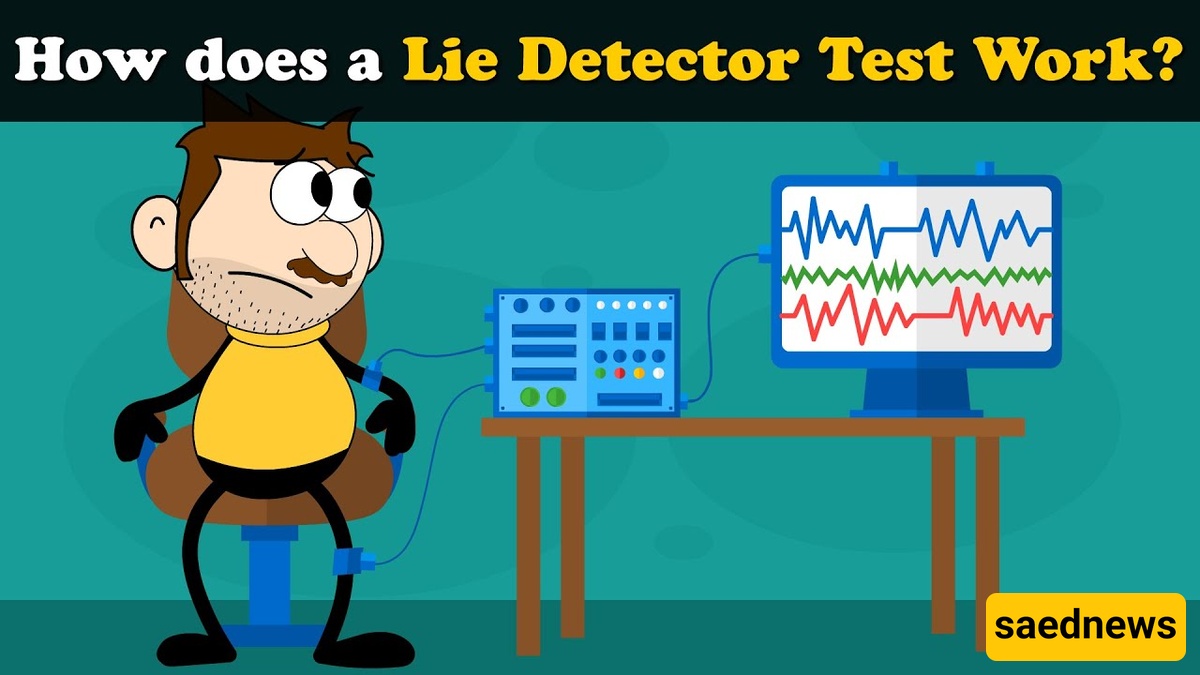
According to the Saed News website, quoting Kola Suda:
Liars are always present everywhere, but sometimes the excessive spread of rumors and the problems caused by habitual liars become so severe that many of us prefer to avoid associating with them.
However, it appears that new lie-detection systems are on the way that may eventually mark the end of liars as we know them. In many parts of the world, polygraph (lie detector) machines are still used during interrogations to determine whether a person is telling the truth.
But how does this device detect lies? The polygraph is based on the assumption that when a person lies, certain physiological changes occur. As a result, it measures indicators such as skin perspiration, breathing patterns, and heart rate.
Currently, security authorities in the United States, Canada, and the European Union are testing a new lie-detection system called “Avatar.” Researchers at the University of San Diego and the University of Arizona designed a set of questions to be asked of travelers at border checkpoints. Using Avatar technology, they analyze suspicious individuals and attempt to distinguish truth from deception.
An additional note referenced in the original text mentions:
Training steps for publishing articles in reputable journals (zero to one hundred).
This intelligent system has competitors such as “Lehi” and another AI-powered lie detector called “Converus,” which can reportedly detect deception with a 30-minute test based on eye movement analysis. The CEO of the company behind Converus stated that a major milestone for the system would be its acceptance as admissible evidence in court proceedings.