SAEDNEWS: Deadly fungal infections linked to ancient mummies are extremely rare, but they have been documented. In 1970, 10 of the 12 scientists who opened the tomb of King Casimir IV in Poland died within weeks, likely after exposure to toxic fungi that had grown inside the sealed tomb.
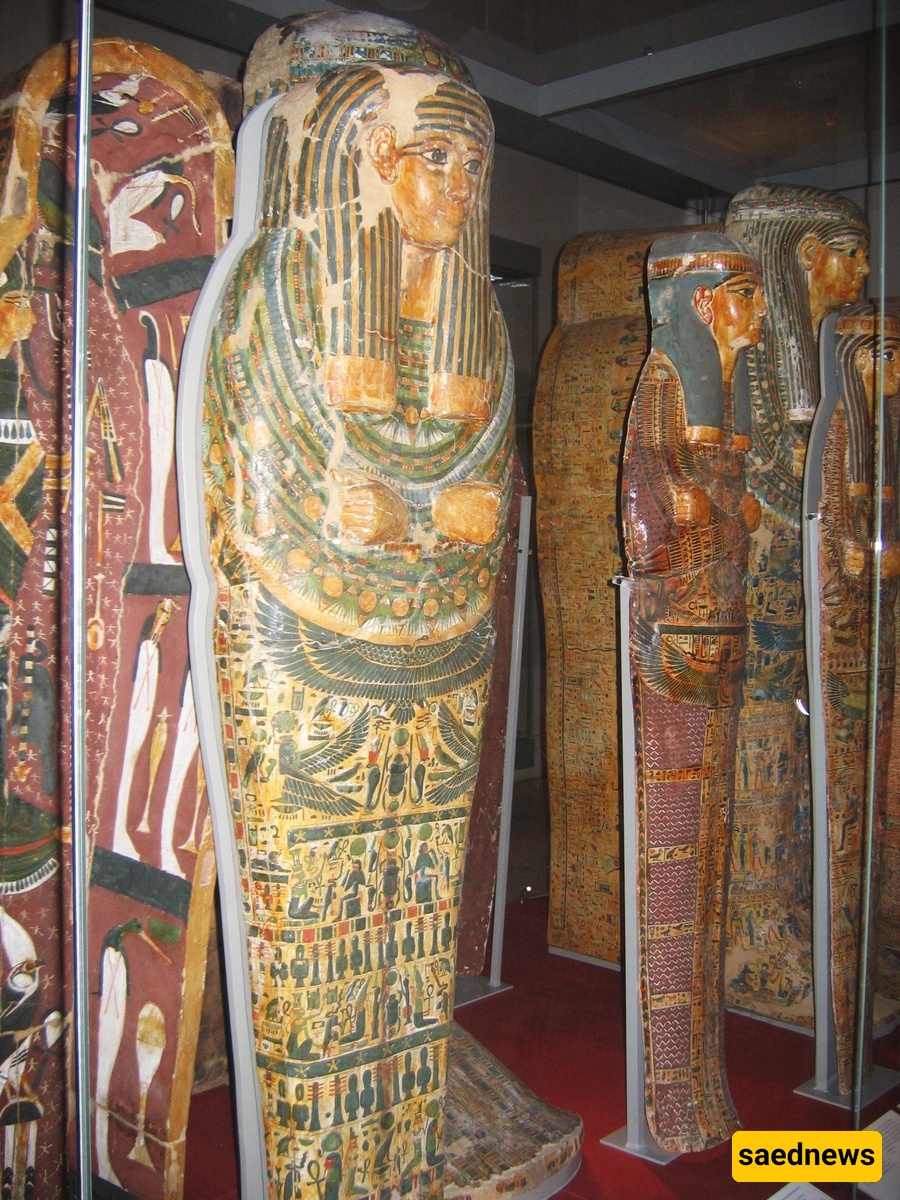
According to Saednews, Scientists have raised concerns that fungi growing on several naturally preserved mummies in Mexico could present a potential health risk to people who handle or examine them.
Unlike the fictional idea of mummies returning to life, the real danger may come from microscopic fungal colonies. Researchers say these organisms could become a biological hazard if the remains are not properly preserved and managed under strict safety guidelines.
Mexico's National Institute of Anthropology and History (INAH) reported discovering fungal growth during inspections of the famous Guanajuato Mummies. The findings have renewed debate over how the historic remains are stored and displayed.
The Guanajuato Mummies are a well-known collection of naturally mummified human bodies that have been exhibited in museums and traveling exhibitions for decades. In recent years, some of the mummies were displayed in glass cases in Mexico City, prompting experts to question whether the enclosures offered sufficient protection against contamination and environmental exposure.
INAH stated that at least one mummy inspected in November 2021 showed visible signs of possible fungal colony growth. Officials expressed concern that the remains continued to be displayed without adequate biosafety measures.
Although serious fungal infections associated with ancient remains are extremely uncommon, history offers a few notable examples. One frequently cited case occurred in 1970 after researchers opened the tomb of King Casimir IV of Poland. Some experts later suggested that toxic fungi inside the tomb may have contributed to illnesses among members of the research team.
The story of the Guanajuato Mummies dates back to the 1860s, when graves were reopened after some families could no longer afford burial fees. Instead of skeletons, workers discovered remarkably well-preserved bodies that had been naturally mummified by the region's dry climate.
The preserved remains eventually became public attractions. They were first displayed in underground burial chambers before being moved to the Museum of the Mummies of Guanajuato in 1969.
During the early 20th century, exhibitions often highlighted the mummies' dramatic appearance to attract visitors. Some bodies were arranged with folded arms and open mouths to create a more frightening presentation, an approach that has since drawn criticism from historians and ethicists.
Gerald Conlogue, a retired professor of diagnostic imaging at Quinnipiac University, has argued that the mummies deserve greater respect. He noted that they were ordinary people whose remains provide important historical insights rather than objects intended for entertainment.
In 2022, researchers launched efforts to identify the individuals represented by the mummies. Alongside ongoing ethical discussions about their public display, health experts now emphasize the need for careful scientific examination to determine whether fungal contamination poses any risk to museum staff, conservation specialists, or visitors.
Researchers conclude that thorough scientific analysis, careful preservation practices, and appropriate biosafety measures are essential to protect both these historic remains and the people who come into contact with them.