SAEDNEWS: Welsh authorities have officially declared a remarkable collection of finely decorated 2,000-year-old vessels a "treasure." The artifacts were discovered in 2019 by an amateur metal detectorist and are considered an important archaeological find.
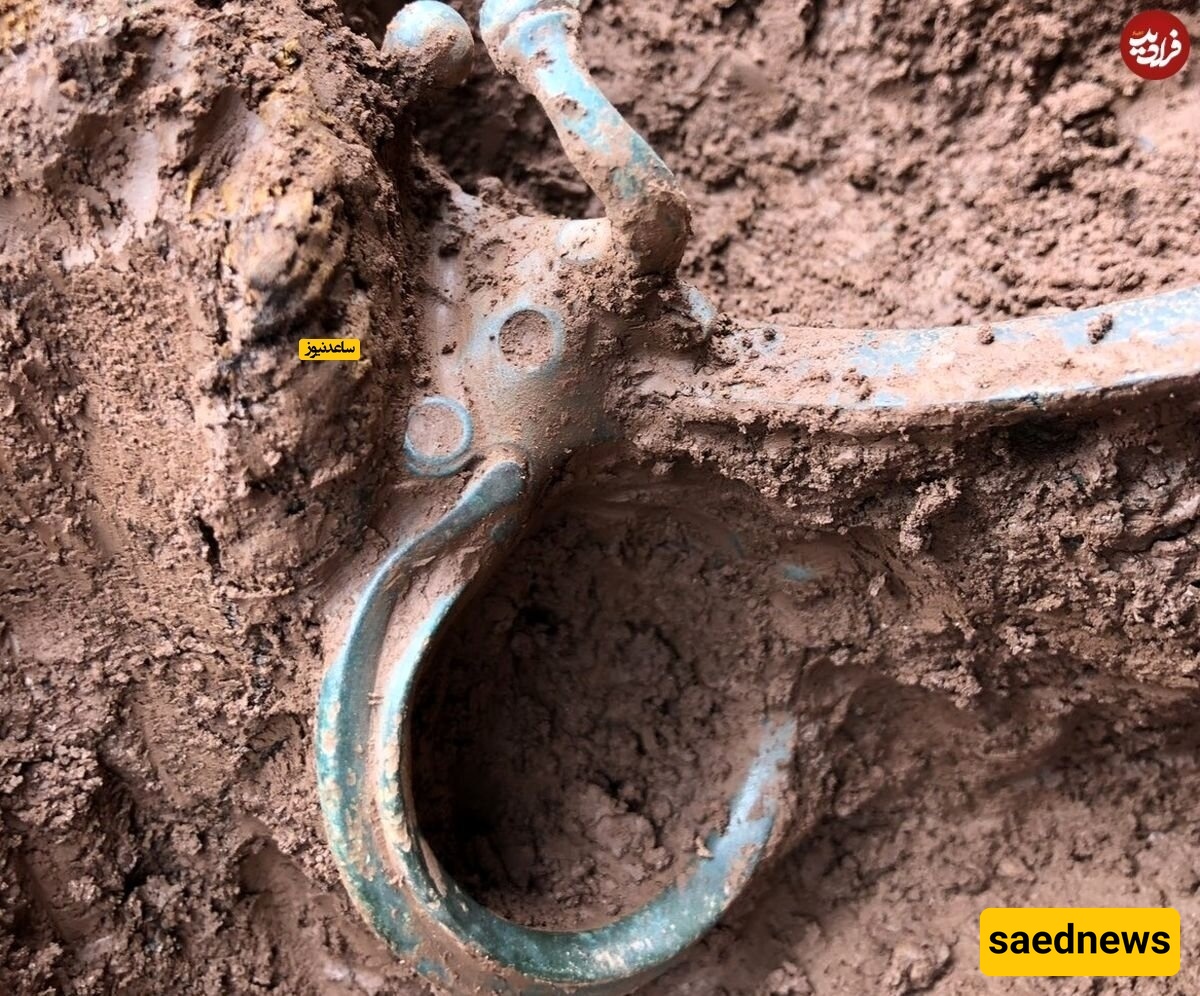
According to Saed News, citing Faradeed, An amateur metal detectorist in southeast Wales has uncovered an extraordinary hoard of Iron Age and Roman artifacts that had remained buried for nearly 2,000 years.
John Matthews discovered the collection in 2019 while searching a field in the county of Monmouthshire. The finds have now been officially declared a "treasure" by the authorities. Archaeologists believe the discovery may point to the existence of a previously unknown ancient settlement in the area.
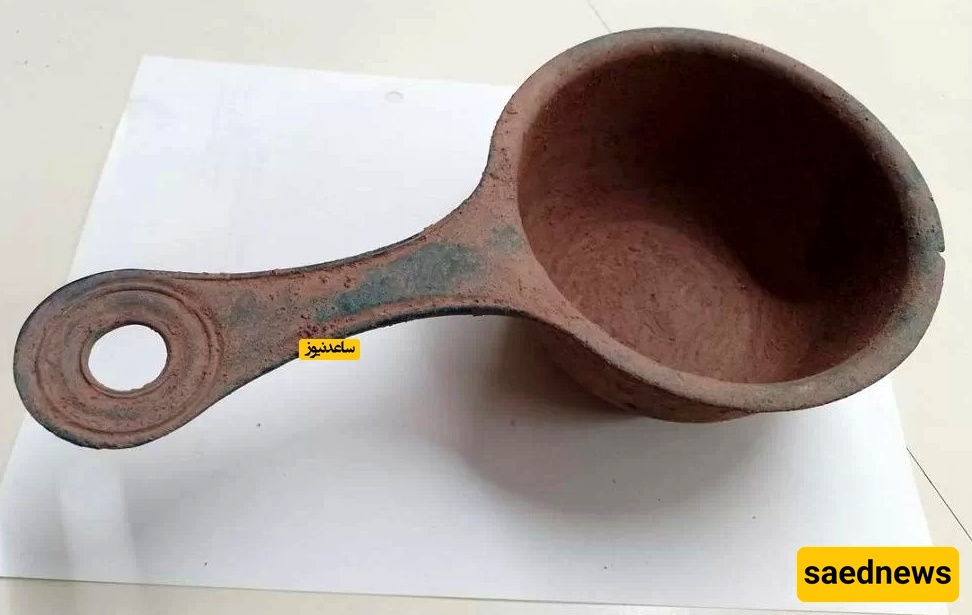
The hoard consists of eight remarkable artifacts, including finely decorated vessels that combine elements of early Roman craftsmanship with Celtic artistic traditions. Experts believe the objects were intentionally buried together during the 1st century AD, around the time when the Roman Empire had recently established control over Britain.
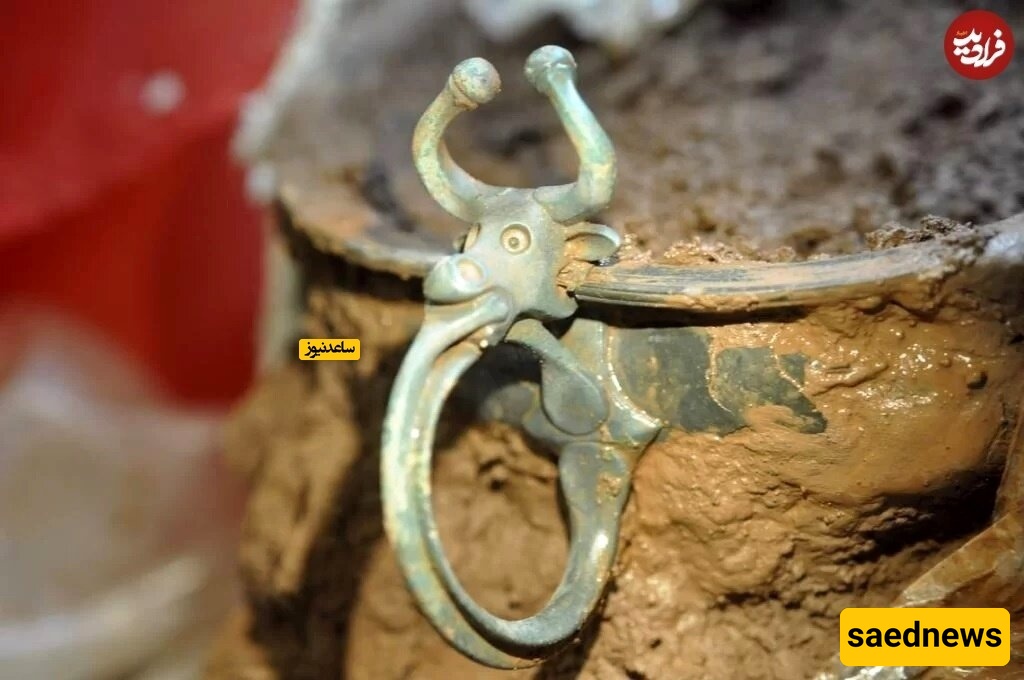
Among the most striking discoveries is an exceptional drinking cup featuring a handle shaped like the head of a bull. The small sculpted bull's head has large expressive eyes and elegantly curved horns. The bull's elongated tongue extends into a loop, forming the vessel's distinctive handle. The cup itself is decorated in attractive green and blue tones, making it one of the most impressive items in the collection.
Speaking about the discovery, Matthews said, "I have never seen anything like it. I never imagined that our ancestors were capable of creating something so incredibly beautiful. I am proud to have found something so unique."
The archaeological excavation team affectionately named the bull depicted on the vessel "Bovril." Adele Bricking, a member of the excavation team, shared her excitement on social media, writing, "Imagine our amazement and surprise as we carefully removed the soil and suddenly saw Bovril's beautiful and delicate face appear before us."
The excavation also uncovered the remains of two wooden bowls along with vessels decorated with copper fittings. Archaeologists reported that ongoing geophysical surveys of the site have revealed evidence of a previously unknown ancient settlement or possibly a religious sanctuary nearby.
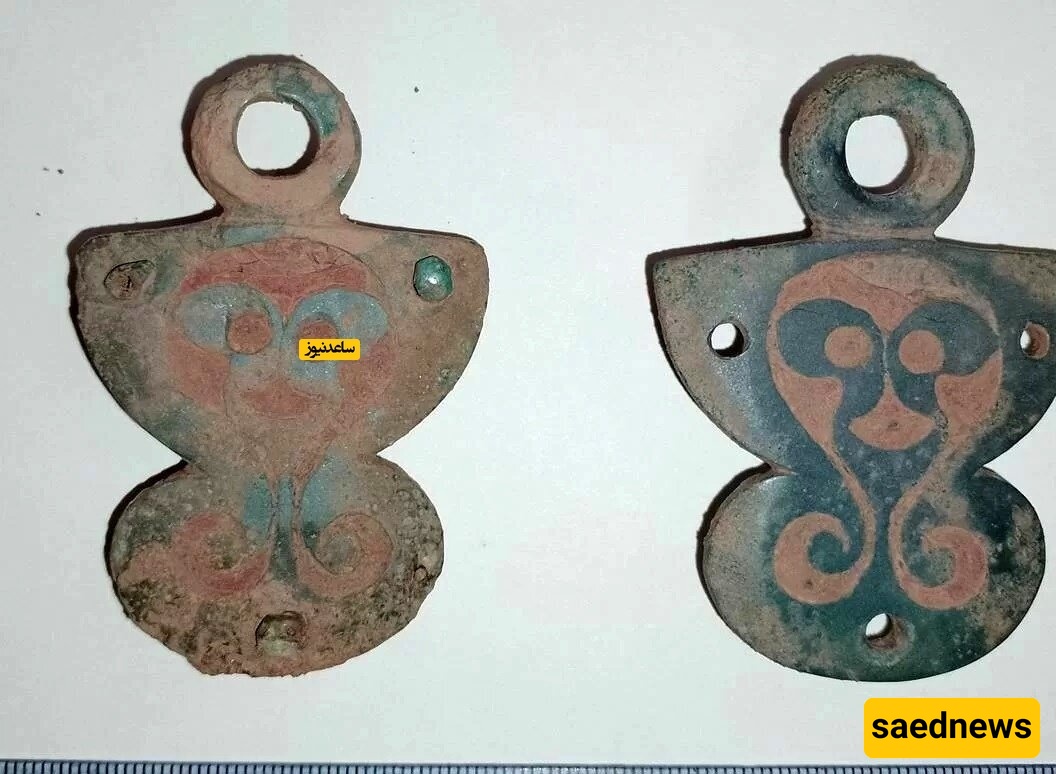
Researchers believe the discovery offers valuable new insights into life in southeastern Wales during the early Roman occupation of Britain and may significantly improve our understanding of the cultural transition between the native Celtic communities and the expanding Roman Empire.