SAEDNEWS: In this article, we aim to discuss the tombs of the kings of Iran from the Safavid to the Qajar periods and to describe and introduce their burial places.
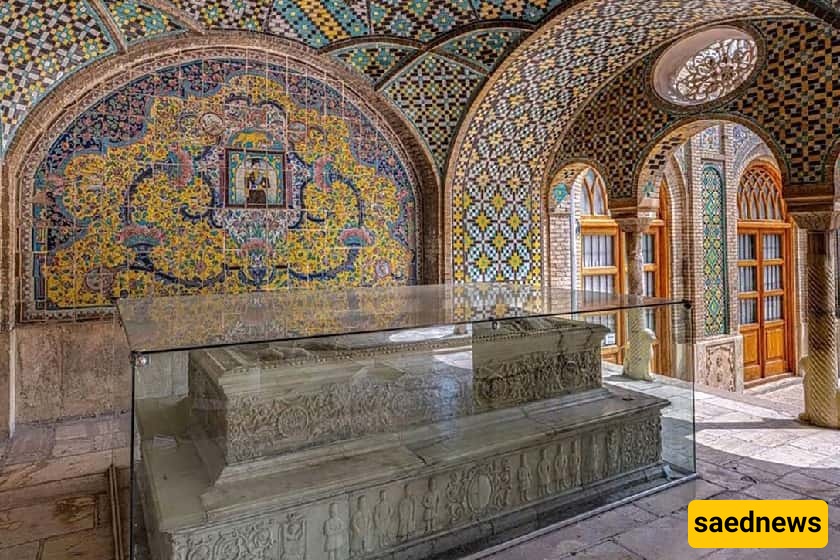
According to Saednews, Have you ever wondered where the famous Iranian kings—each of whom played a significant role in the country’s history—were buried? Or are you familiar with their dates of birth and death? Since learning the history of a nation is considered essential for its people, this section is dedicated to the burial places of Iranian kings, who form an important part of Iran’s historical heritage.
He was the founder of the Safavid dynasty. He was born on Tuesday, the 25th of Rajab, 892 AD. He declared his claim to kingship in Muharram 905 AD and ascended the throne in 906 AD. During a journey to the region of Shaki, he fell ill and died on Monday, the 19th of Rajab, 930 AD. His body was brought to Ardabil and buried next to his ancestor Sheikh Safi al-Din.
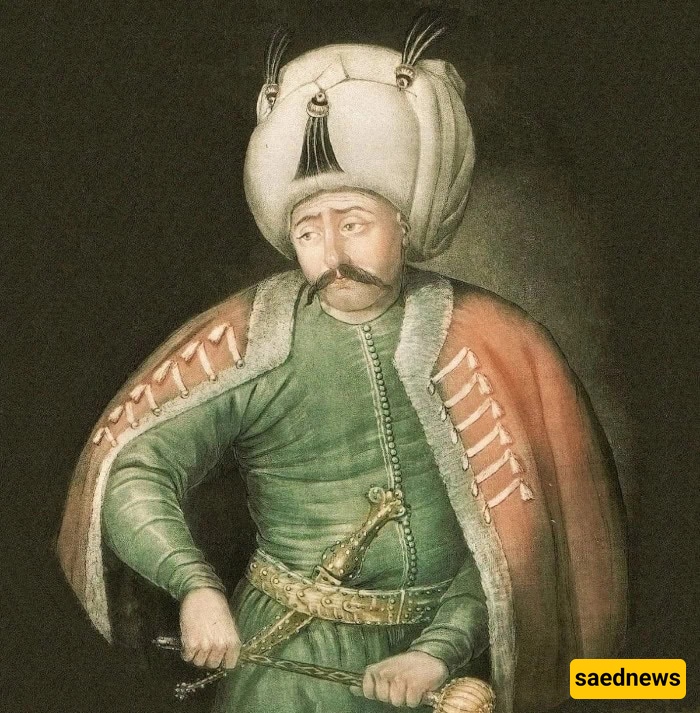
He was the eldest son of Shah Ismail I. He was born on Wednesday morning, the 24th of Rajab, 919 AD, and ascended the throne on Monday, the 19th of Rajab, 930 AD. After 53 years and 6 months of rule, he died in Qazvin on Monday, the 15th of Safar, 984 AD. He was initially buried in Qazvin, and later his body was transferred to Qom.
He was the brother of Shah Tahmasp I. His reign was very short. He died on the night of Sunday, 13 Ramadan, 985 AD, and was buried in an unknown location.
He was the son of Shah Tahmasp I, born on 29 Jumada al-Awwal 938 AD. He became king in 985 AD and was removed from power in 996 AD by his son Abbas Mirza (Shah Abbas I). He died in Qazvin in 1004 AD and was buried at the shrine of Shahzadeh Hossein in Qazvin.
He was the son of Sultan Mohammad Khodabandeh, born in Herat. After 59 years and 8 months of rule, he died in Ashraf (modern Behshahr) in 1038 AD and was buried there.
He was the son of Shah Safi Mirza and grandson of Shah Abbas I. He was born near Nur, Mazandaran. He died in Kashan in 1052 AD and was buried in Qazvin alongside his ancestors.
He became king at the age of 9. After 34 years of rule, he died in 1077 AD and was buried in Qom beside his father and grandfather.
He ruled for nearly 28 years. He died in 1106 AD and was buried in Qom.
He became king at age 29 and ruled for 29 years. He was killed in 1139 AD by Afghan forces and was buried in Qom.
He briefly ruled during the decline of the Safavid dynasty. He died in Mashhad in 1152 AD and was buried in Qom alongside his ancestors.
Nader Shah ruled for 11 years and was assassinated in 1160 AD in Khorasan. He was buried in a mausoleum he had previously built in Mashhad.
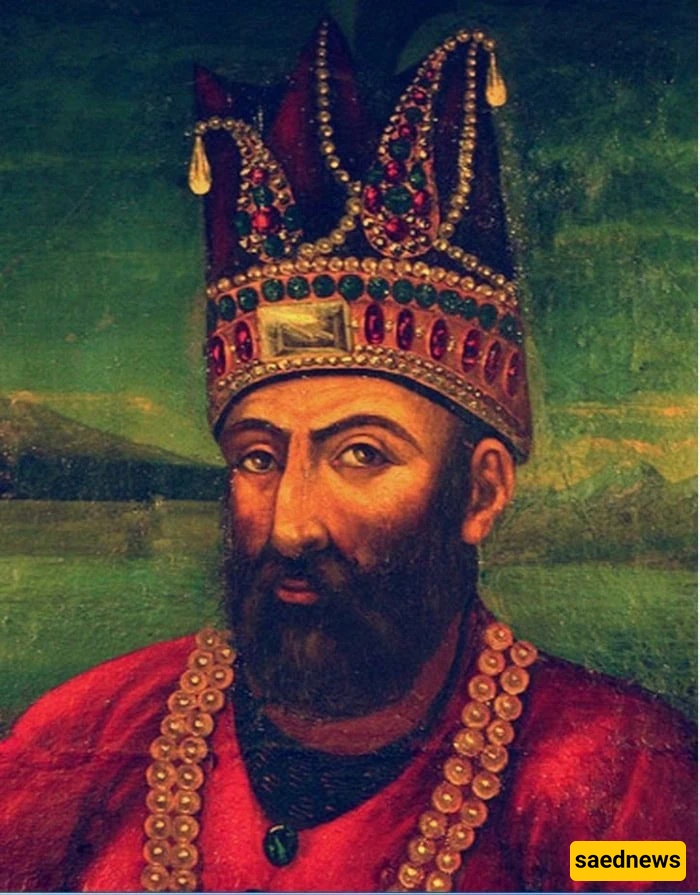
He ruled after Nader Shah in Mashhad. He was later tortured and died during transfer to Mazandaran. His burial place is unknown.
The last ruler of the Afsharid dynasty, he was captured and executed in Tehran in 1218 AD. His burial place is unknown.
Founder of the Zand dynasty, he ruled for about 30 years and died in Shiraz in 1193 AD. Due to internal conflicts, his body was left unburied for three days before being buried in Shiraz. Later, his remains were moved multiple times due to political changes.
The last Zand ruler, he was tortured and killed by Agha Mohammad Khan Qajar. He was buried in Imamzadeh Zayd in Tehran.
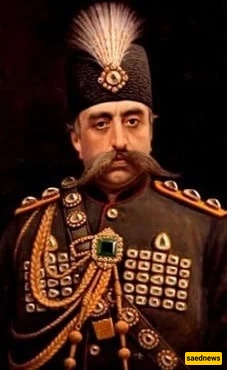
He was born in 1742 and crowned in 1795. He was assassinated in 1797 in Tehran. His remains were later transferred and buried in Najaf near Imam Ali’s shrine.
He ruled after Agha Mohammad Khan and died in 1825 in Isfahan. He was buried in Qom in a shrine he built himself.
He ascended the throne in 1834 and died in 1848 in Tehran. He was temporarily buried in Tehran and later moved to the holy shrines.
He ruled for nearly 49 years and was assassinated in 1896 at the shrine of Shah Abdol-Azim in Tehran. He was buried there near one of his favorite wives.
He ruled for 10 years and died in Tehran in 1907. He was later buried in the holy shrines of Iraq.
The last Qajar king, he died in 1930 and was buried in the holy shrines (Atabat).