SAEDNEWS: A striking example of architectural brilliance shows how traditional Iranian architects demonstrated extraordinary ingenuity centuries ago. Inside the walls of a 400-year-old historic mosque, something as simple as a small piece of paper can create a surprising acoustic effect that astonishes visitors.
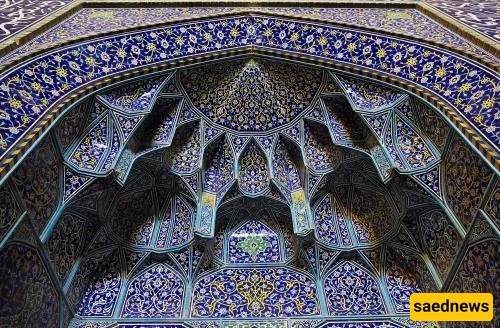
According to the History and Culture Service of Saed News Agency, the video shows a young man standing at the center of the main domed chamber of the Imam Mosque in Isfahan, right on a stone that differs from the rest of the floor. By striking this black stone with a banknote or a piece of paper, he produces a sound that astonishingly echoes throughout the vast space of the mosque. With each return of the sound, the camera pans upward toward the ceiling and the breathtaking tilework of the dome, capturing the grandeur of the structure and the ingenuity of Safavid architects in creating such an acoustic system.
This mosque, dating back to the 11th century AH (17th century CE), is a masterpiece from the era of Shah Abbas I. Even after centuries, it continues to captivate every viewer with its artistry and engineering precision.
From the very beginning, Iranians have been renowned worldwide for their genius and artistic achievements, and this video only reveals a small part of that historical reality. What is seen in this scene goes far beyond simple entertainment; it is a 400-year-old engineered acoustic system. The architects of the Imam Mosque, without any modern tools, performed acoustic calculations with such precision that sound is reflected exactly seven times at the center of the dome.
This analysis demonstrates the complete mastery of physics and mathematics by Iranians alongside the art of tilework. In fact, this specific point served as a natural loudspeaker of the mosque, allowing the sound of prayers or a speaker’s voice to reach the farthest corners of the enormous structure—a secret hidden among the blue and azure tiles of Isfahan.