SAEDNEWS: The Alcor Life Extension Foundation in the state of Arizona, USA, looks from the outside like any other warehouse. Inside, however, it is filled with the bodies of hundreds of patients who have bet on the future of technology—hoping that it will one day be able to bring them back to life.
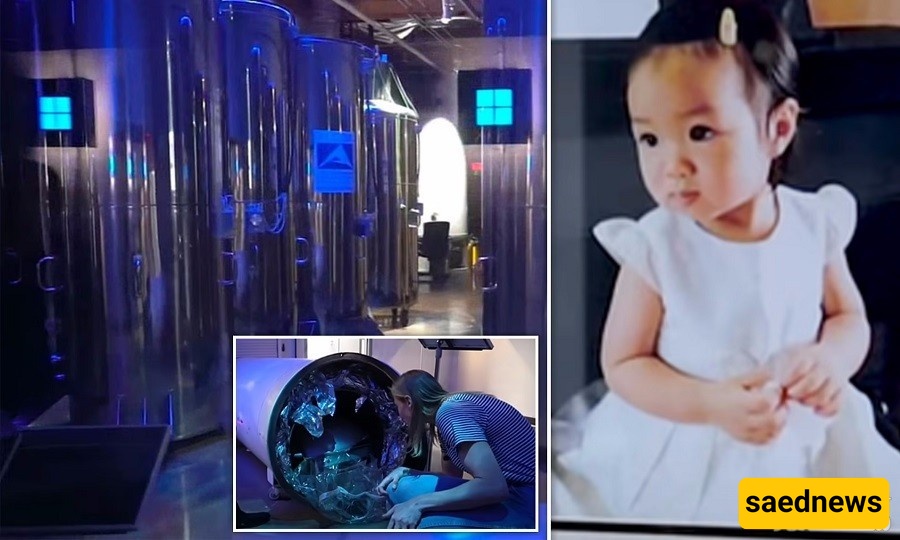
According to SaedNews, citing Ruyato, at this facility you can pay $200,000 to have your entire body preserved in a state-of-the-art freezer after death. If you choose to preserve only your brain, the cost is $80,000.
So far, 199 bodies have been entrusted to this center. These bodies are preserved using liquid nitrogen, which keeps them at a temperature of around -135°C. At this extreme cold, all cellular activity stops, and the body remains in the same condition it was in at the time of preservation until it is thawed.
Those who use this service are usually hoping that one day their loved ones might be brought back to life. The youngest patient at the facility is a 2-year-old girl from Thailand who died of brain cancer. Her family hopes that one day she may be reunited with them.
This cryonics method also attracts wealthy and unconventional individuals. Hal Finney, one of the early pioneers of Bitcoin, chose to have his body preserved at Alcor after his death. He passed away in 2014 due to complications from amyotrophic lateral sclerosis (ALS), a neuromuscular disease.
However, there are serious ethical concerns surrounding this practice. Max More, CEO of Alcor, acknowledged in February 2020 that the company does not know when, or even if, the technology required to revive preserved bodies will ever become available.
Maintaining bodies in this facility is also extremely costly. If someone joins the Alcor Foundation at the age of 18, they must pay over $200 per year, with costs increasing depending on age at enrollment.
If a person is not a member but their family wants to preserve their body after death, an additional $20,000 is required. If the death occurs outside the United States or Canada, and the body must be transported, an extra $10,000 is charged.

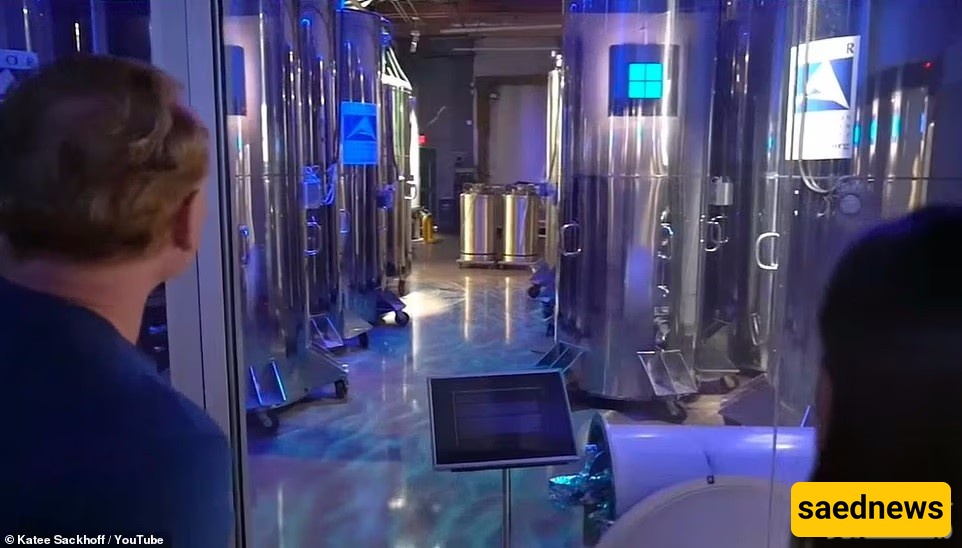

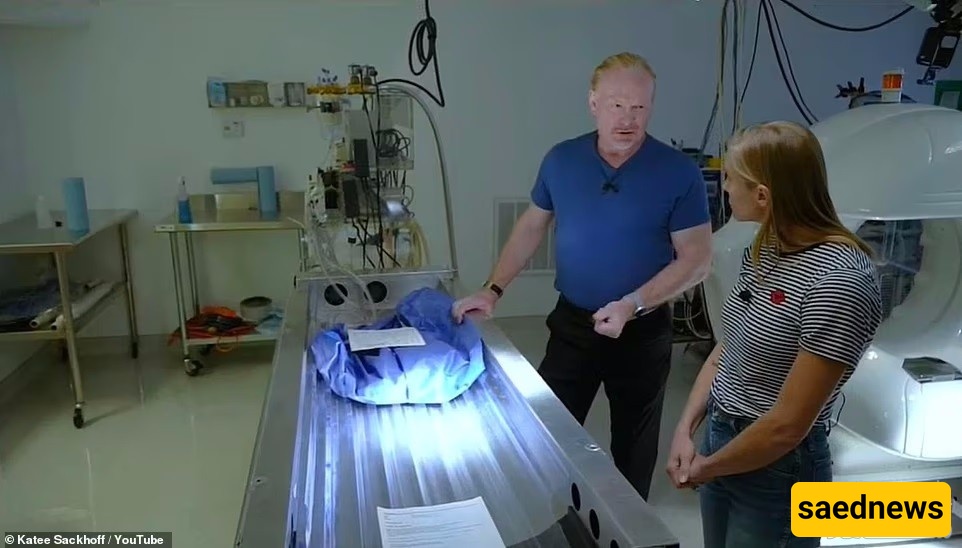
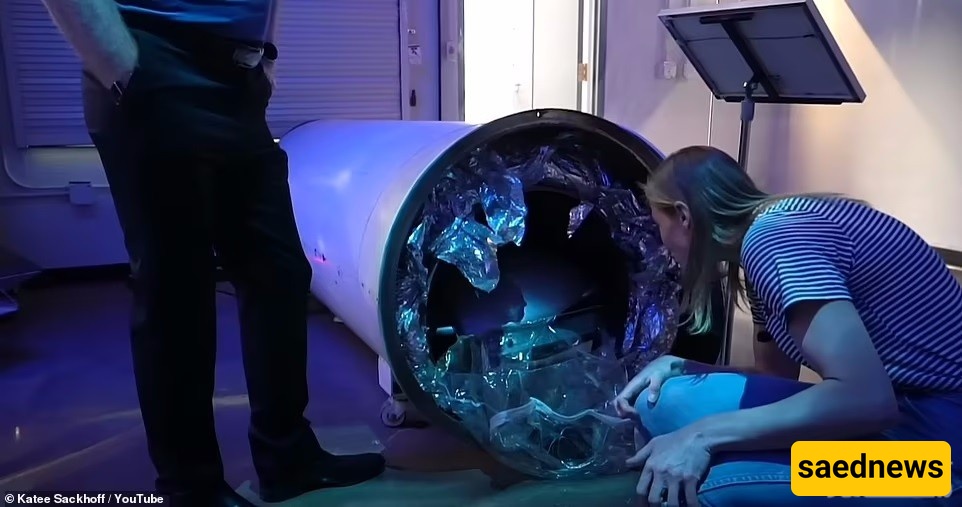
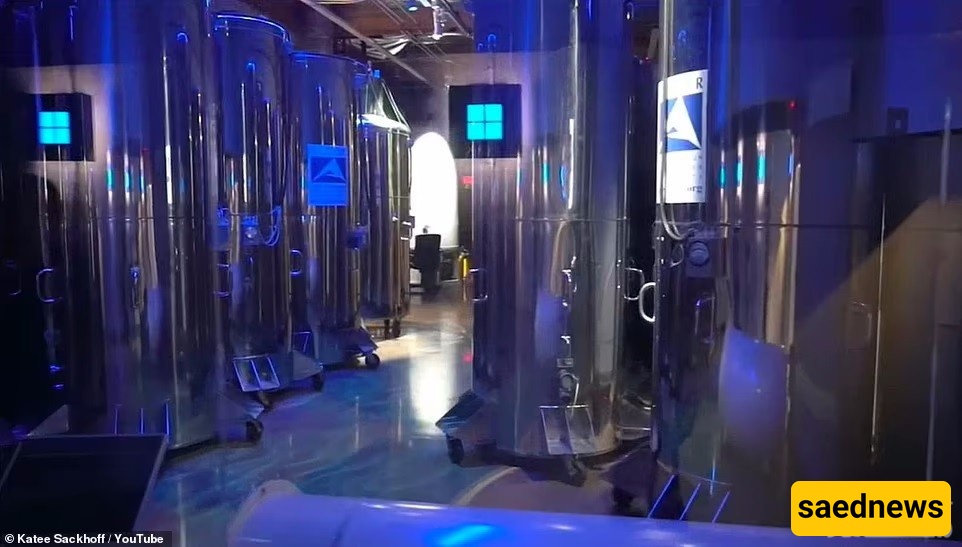
Founded in 1972, the Alcor Foundation presents itself as a pioneer in cryonics research and related technologies. It currently preserves the remains of 199 patients, some of whom chose full-body preservation and others only brain preservation.
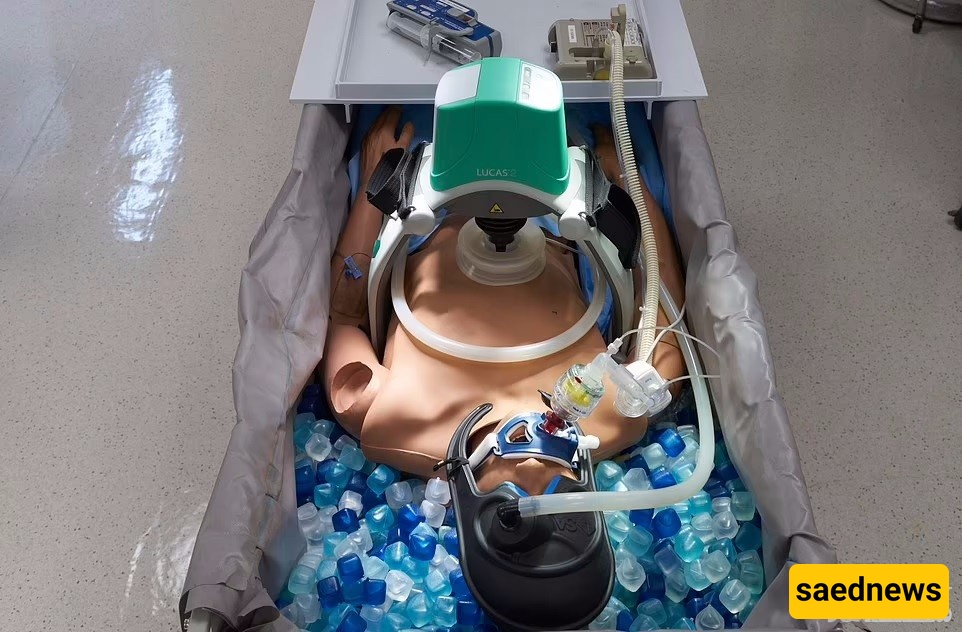
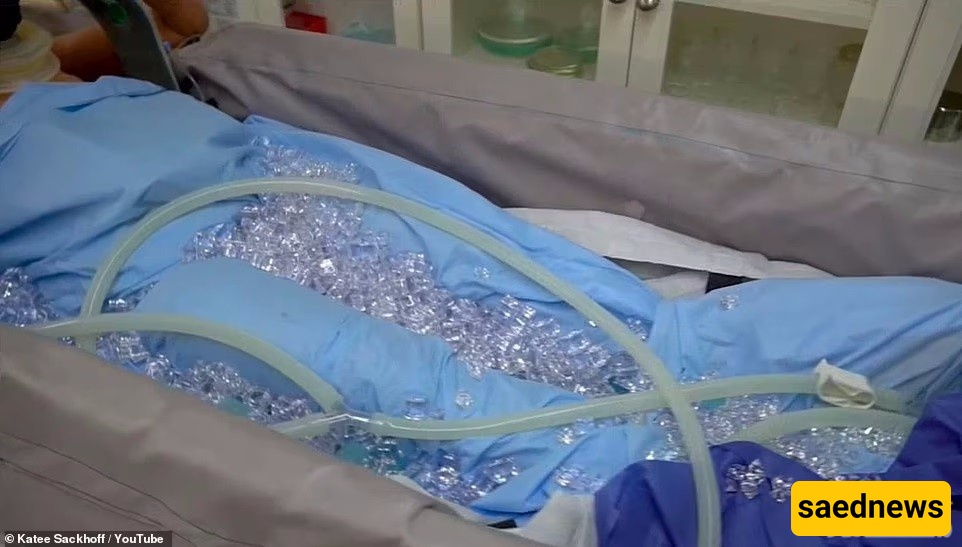
Full bodies are stored in large cylindrical chambers, while brains are kept in specialized containers. After a person’s death, rapid action is required to preserve the body and transport it to the facility.
According to Max More, the first step is the complete removal of blood and bodily fluids. After that, a substance similar to antifreeze is injected into the body to prevent ice crystals from forming and damaging cells during freezing.
Once prepared, the body is placed into a storage chamber. These containers do not run on continuous electrical power; instead, they are regularly refilled with liquid nitrogen each week.
The youngest member preserved at the facility is a 2-year-old girl from Thailand who died of brain cancer and was transferred to Arizona. Her parents hoped her body would be preserved in case future technology could allow a reunion.
Those who choose whole-body preservation hope to be revived one day. In cases where only the brain is stored, future technology would need to develop an entirely new body in which the preserved brain could be placed.
In some situations, preservation is not possible—for example, if the damage before death is too severe or irreversible.
Max More hopes that such technologies will eventually be developed, pointing to recent advances in stem cell research and lab-grown organs as early steps toward this goal.
However, many experts disagree.
Dr. Michael Hendricks, a biologist at McGill University in Canada, argued in a 2015 paper that even if a person’s nervous system were mapped before freezing, it would still not be possible to recreate a complete copy of the individual.
He wrote: “A neural connectivity map is not sufficient for simulation, let alone for building a copy of a nervous system. There are also major obstacles to achieving immortality through computational simulation of biological systems.”
He further questioned what information would be required to recreate a human mind, whether current or expected cryopreservation methods can preserve that information, and whether a simulated version would truly be the same person.
According to him, personality, self-awareness, decision-making, and daily mood are all shaped by extremely complex neural connections. While current technology can preserve some biological structures, any alteration significantly changes who a person is.
For those whose brains alone are preserved, a reconstructed nervous system would likely differ entirely from the original.
Hendricks also noted that while it may theoretically be possible to preserve such information in dead tissue, no such capability currently exists.
He concluded that the technology required to extract and interpret such detailed information from preserved brains does not even exist in theory at present.
He described the hope offered by such companies as emotionally understandable but scientifically unfounded, arguing that claims of future revival are misleading.
He stated: “Anyone who has experienced the loss of loved ones can understand why someone would pay $80,000 to preserve a brain. But restoring life or simulating consciousness from frozen tissue goes far beyond technological promises and is not possible with current methods.”
He added that those who profit from such hope “deserve our anger and condemnation.”