Saed News: group 7 is increasing pressure on international financial institutions to contain the economic consequences of the middle east war.
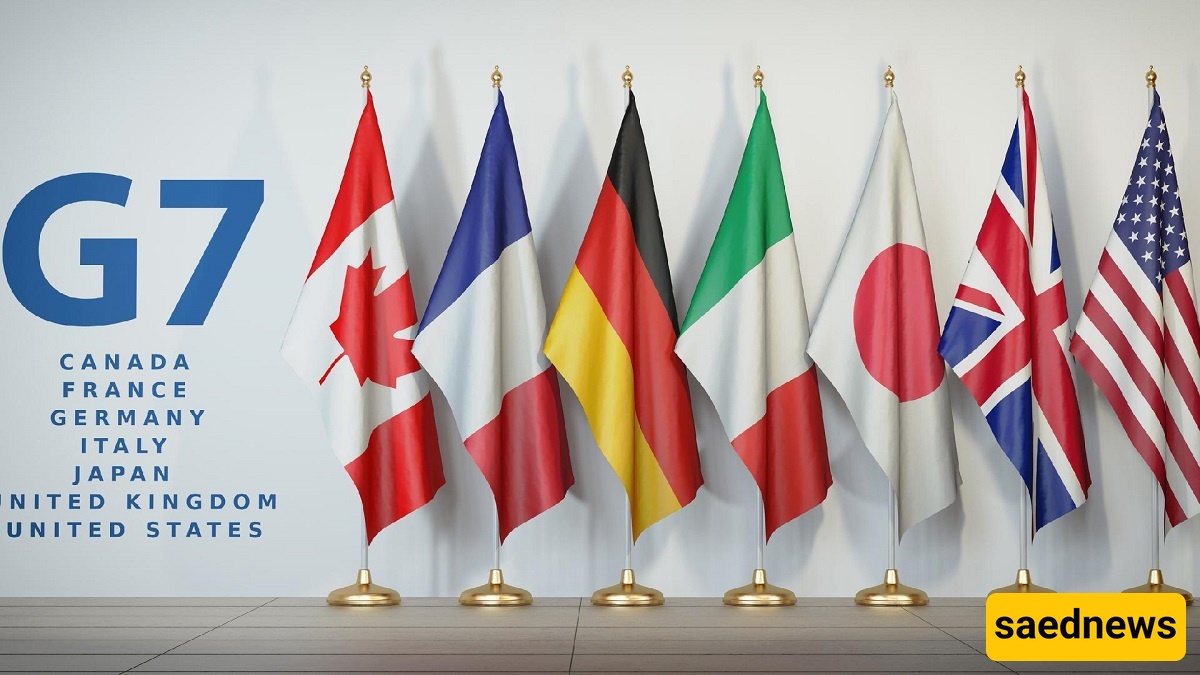
According to SAEDNEWS, according to Reuters, finance ministers of the group of seven countries on tuesday discussed ways to deal with the severe consequences of the us and israel war against iran on the global economy.
the french finance minister called on the international monetary fund and the world bank to take further measures to help countries that have been most affected by the consequences of the middle east conflict. this request was made while he hosted group 7 ministers and other countries in paris on tuesday.
finance ministers and central bank governors of group 7 countries gathered for the second consecutive day in the french capital to discuss the economic consequences of this conflict and the volatility of the global bond markets.
representatives from other countries, including some gulf countries, brazil and kenya, also attended the meeting, as the world’s seven largest economies seek new partnerships amid tensions over issues such as the war against iran and pressure on russia over ukraine.
roland lescure, france’s finance minister, told reporters: we agree that the international monetary fund and the world bank must improve their performance for countries most affected by the consequences of the middle east conflict and ensure that they are supported.
this senior french official added that a shortage of chemical fertilizers following the closure of the strait of hormuz would have very negative consequences.
us president donald trump said on monday that a planned attack on iran had been halted. these remarks came after it was said that tehran had sent a peace proposal to washington, and there is now a “very good chance” of reaching an agreement to limit iran’s nuclear program.
however, other group 7 countries have expressed dissatisfaction that washington and israel carried out attacks on iran without considering the economic consequences and the possible closure of the strait of hormuz, a vital waterway for energy markets.
officials from qatar and the united arab emirates attended the meeting in paris to discuss the gulf crisis, which, according to lescure, was on the agenda.
syria and ukraine also participated in parts of the talks, reflecting group 7’s focus on stability in countries considered vital for regional and global security.
to expand international partnerships at a time when traditional alliances are being questioned, officials from brazil, india and south korea also attended the meeting.