SAEDNEWS: Trump Calls for Immediate Transfer or Destruction of Iran’s Enriched Uranium Under International Oversight Amid Reports of Nearing US–Iran Agreement on Tensions and Asset Release
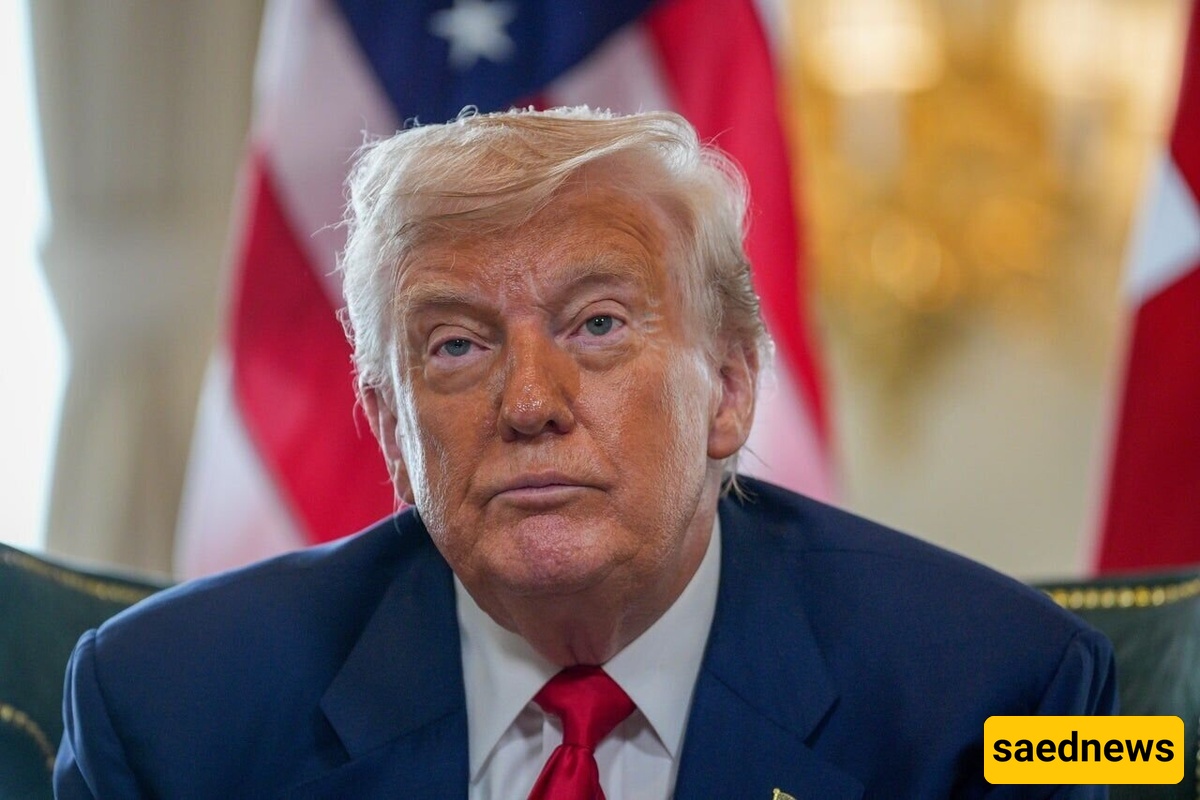
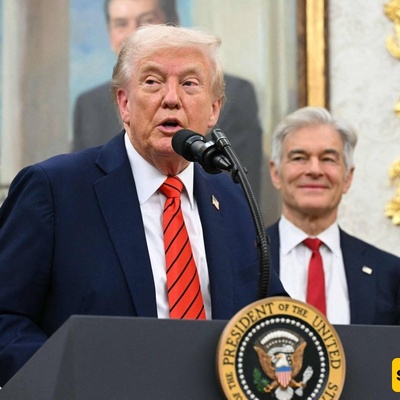
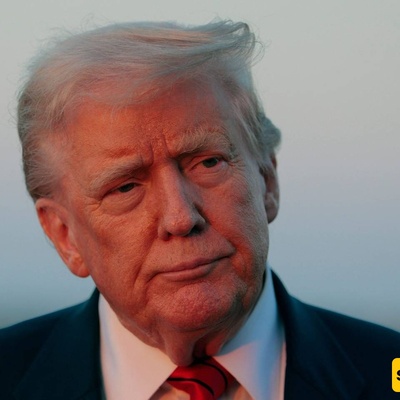
According to the political news service of Saed News, Donald Trump, in his latest remarks on the social network “Truth Social,” has called on Tehran to immediately hand over its enriched uranium to the United States or to destroy it domestically or elsewhere in cooperation and under the supervision of bodies such as the Atomic Energy Commission. This strong statement comes while the US president had previously announced the formation of a bilateral agreement between Tehran and Washington, emphasizing that the final details of the understanding were under review and would soon be officially announced.
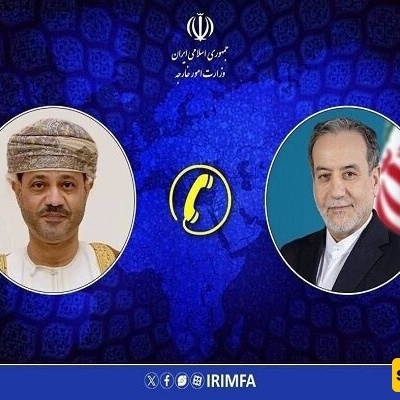
In response to these developments, Esmail Baghaei, spokesperson for Iran’s Ministry of Foreign Affairs, confirmed that the two countries are in the final stages of drafting a memorandum of understanding aimed at ending hostilities. He stated that the main pillars of this agreement include the cessation of US maritime provocations and the release of Iran’s frozen assets. However, the shadow of military warnings still looms over the diplomatic atmosphere; Major General Ali Abdollahi, commander of the Khatam al-Anbia Central Headquarters, issued a serious warning to the United States and its allies, emphasizing the unprecedented readiness of Iran’s armed forces to counter any potential threat.
Exclusive analysis by Saad News Politics Department:
The meaningful coincidence between Donald Trump’s nuclear ultimatum and statements by officials from both countries about the finalization of a bilateral agreement reflects the complexity of the final phase of diplomacy between Tehran and Washington. Trump’s aggressive language regarding the demand for the removal or destruction of enriched uranium appears less as a sign of a breakdown in negotiations and more as a tool to secure domestic political gains in the United States and to apply pressure during the final moments of bargaining. In fact, Washington is attempting to embed its security and nuclear demands into the framework of a deal that is ostensibly aimed at ending confrontation, using threats and ultimatums as leverage.
On the Iranian side, the positions reflect a dual strategy in foreign policy and defense. On one hand, the diplomatic apparatus is pursuing engagement by focusing on economic and geopolitical interests such as the lifting of maritime restrictions and the release of frozen assets. On the other hand, military institutions, through firm warnings, seek to establish deterrence against possible excessive demands from the other side. This balance between “demand-oriented diplomacy” and “military deterrence” suggests that any potential agreement would not be a comprehensive settlement but rather a step-by-step management of tensions within an environment of mutual distrust, in which both sides attempt to maintain leverage.