SAEDNEWS: Faith means a belief firmly rooted in the heart, accompanied by confidence and trust. Unlike simple belief, faith carries a deeper sense of security, certainty, and inner assurance.

According to Saednews, A person of faith possesses such inner confidence and reassurance that they do not constantly question or doubt what they believe. In Islamic thought, faith and belief are related but not identical. Faith (iman) is based on knowledge and means holding a justified and truthful conviction, whereas belief (i‘tiqad) can refer to any mental acceptance, whether or not it is necessarily true or justified. In Western thought, however, the distinction between the two is generally less pronounced.
Another important difference is that faith involves an emotional attachment, submission, and surrender of the heart. Belief, on the other hand, may simply be an intellectual acceptance of an idea without necessarily involving the heart. Faith also has a practical dimension: genuine faith is an attachment of the heart that naturally influences a person's actions, while intellectual belief does not always produce corresponding behavior.
In general, human thought can be understood through two distinct dimensions: intellectual understanding and practical conduct. Intellectual reasoning and reflection are expressed through a person's beliefs, while faith becomes evident through behavior and the way a person lives. As long as rational arguments remain merely ideas, concepts, and intellectual conclusions without penetrating the heart and becoming genuine conviction, a person's actions may remain separate from those ideas. But when intellectual understanding becomes heartfelt faith, behavior naturally begins to correspond with it.
Ayatollah Sheikh Mojtaba Tehrani explains this distinction in his work Ashura Spiritual Journey, stating that faith is fundamentally a deep attachment of the heart. Asceticism involves freedom from attachment, whereas faith involves attachment—specifically, attachment to God. Whoever becomes truly attached to God is a believer. A person may be capable of presenting strong intellectual arguments for religious principles while remaining personally unaffected by them. This is where intellectual belief and genuine faith become distinct.
The Qur'an itself points to this distinction:
“The Bedouins say, ‘We have believed.’ Say, ‘You have not believed; rather say, “We have submitted,” for faith has not yet entered your hearts.’”
Qur'an 49:14
This verse illustrates that faith concerns the heart, while intellectual belief and reasoning belong primarily to the mind. These represent two dimensions of human existence. When the intellect reaches a conclusion and that conclusion transforms the heart into genuine attachment and conviction, it becomes faith. If the intellect recognizes an argument but the heart remains untouched, intellectual acceptance alone does not constitute complete faith.
In practical life, we can observe people who act contrary to what they themselves know to be rational or morally right. This demonstrates that intellectual understanding does not automatically produce faith or corresponding action.
Faith therefore concerns one of the noblest dimensions of human existence: the heart.
Faith is fundamentally attachment. In its religious sense, it means attachment to God. A person may even become deeply attached to money, status, or worldly possessions, but the faith discussed here refers specifically to devotion and attachment to God. In this sense, a believer is one whose heart is attached to God.
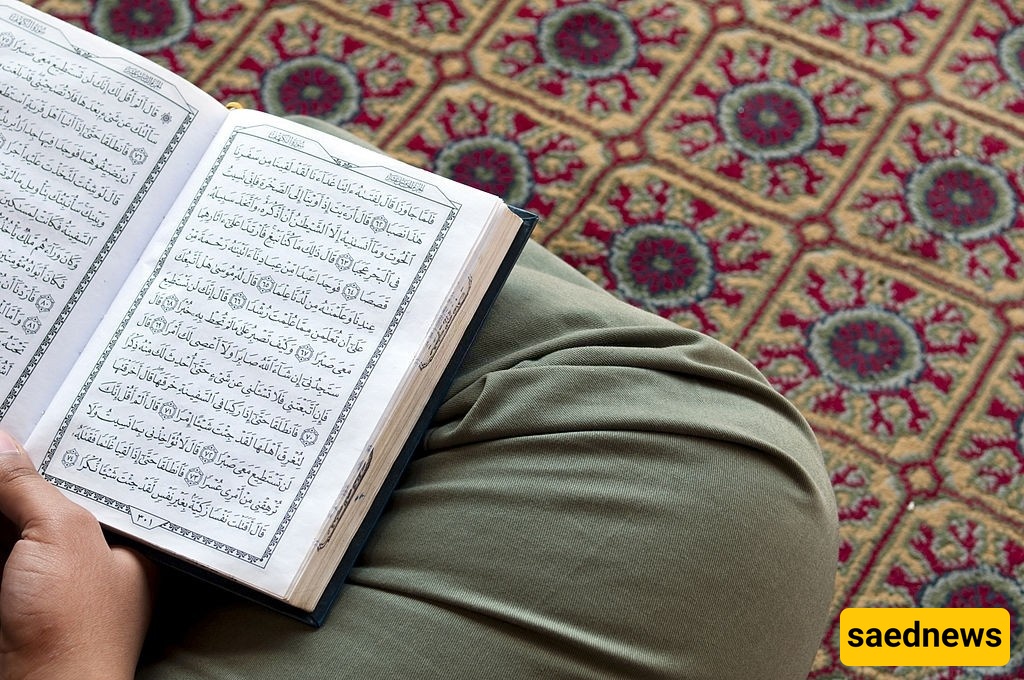
The Benefits of Taqwa According to the Qur'an
Taqwa, often translated as God-consciousness, piety, or righteousness, means protecting oneself from sin and remaining within the boundaries of obedience to God. According to the Qur'an, cultivating taqwa brings numerous spiritual and practical benefits.
The Qur'an says:
“This is the Book about which there is no doubt, a guidance for those conscious of Allah.”
Qur'an 2:2
The Qur'an becomes a source of guidance for those who possess taqwa. Spiritual awareness opens the heart to truth, allowing divine guidance and certainty to penetrate deeply into a person's character.
God promises:
“Whoever is mindful of Allah, He will make a way out for them and provide for them from where they do not expect.”
Qur'an 65:2–3
Taqwa can therefore become a means of finding solutions and unexpected sources of provision during difficult circumstances.
The Qur'an states:
“Whoever is mindful of Allah, He will make their matters easy for them.”
Qur'an 65:4
Taqwa brings divine assistance and can make difficult situations easier to navigate.
God says:
“O believers! Be mindful of Allah and speak rightly. He will rectify your deeds for you and forgive your sins.”
Qur'an 33:70–71
Taqwa influences both speech and conduct, helping a person improve their actions while seeking God's forgiveness.
The Qur'an declares:
“Surely Allah is with those who are mindful of Him and those who do good.”
Qur'an 16:128
Taqwa and righteous conduct bring a person into the special care and companionship of God.
The Qur'an says:
“Had the people of those societies believed and been mindful of Allah, We would have overwhelmed them with blessings from the heavens and the earth.”
Qur'an 7:96
According to this verse, faith and taqwa are connected with the opening of divine blessings and mercy.
The Qur'an states:
“Surely Allah loves those who are mindful of Him.”
Qur'an 3:76
Taqwa therefore leads to one of the greatest spiritual goals: earning God's love.
The Qur'an teaches:
“Surely the most noble of you in the sight of Allah is the most God-conscious of you.”
Qur'an 49:13
Human status is not ultimately determined by wealth, nationality, social position, or lineage. According to the Qur'an, true honor is connected to taqwa.
God says:
“If you are mindful of Allah, He will grant you a criterion, erase your sins, and forgive you.”
Qur'an 8:29
Taqwa gives a person furqan—the ability to recognize the difference between truth and falsehood and make sound moral judgments.
The Qur'an states:
“The earth belongs to Allah. He gives it as an inheritance to whoever He wills of His servants. And the ultimate outcome belongs to those mindful of Him.”
Qur'an 7:128
The Qur'an repeatedly associates ultimate success and righteous stewardship with those who possess taqwa.

God says:
“Whoever is mindful of Allah, He will absolve them of their sins and grant them a great reward.”
Qur'an 65:5
Taqwa is therefore connected with both forgiveness and divine reward.
The Qur'an says:
“My mercy encompasses everything. I will ordain it for those who are mindful of Me, give zakah, and believe in Our revelations.”
Qur'an 7:156
Taqwa places a person among those who seek and receive God's encompassing mercy.
The Qur'an teaches:
“Close friends will be enemies to one another on that Day, except the righteous. ‘O My servants! There will be no fear for you today, nor will you grieve.’”
Qur'an 43:67–68
While worldly relationships may change in the Hereafter, the bond between righteous believers remains meaningful.
The Qur'an says:
“Whoever is mindful of Allah and reforms themselves, there will be no fear for them, nor will they grieve.”
Qur'an 7:35
Taqwa provides spiritual reassurance and protection from fear concerning the ultimate consequences of one's life.
The Qur'an declares:
“Then We will save those who were mindful of Allah and leave the wrongdoers there on their knees.”
Qur'an 19:72
According to the Qur'an, taqwa is among the qualities associated with salvation from Hell.
Finally, the Qur'an promises:
“That is Paradise which We will give as an inheritance to those of Our servants who have been mindful of Allah.”
Qur'an 19:63
Thus, the Qur'anic concept of taqwa extends far beyond avoiding sin. It encompasses God-consciousness, moral responsibility, heartfelt faith, righteous action, and sincere devotion to God. Faith begins when intellectual understanding reaches the heart, and taqwa becomes the practical expression of that faith in a person's life.