SAEDNEWS: Imam Hussein was buried without ghusl and kafan because the dangerous conditions after the Battle of Karbala made the usual funeral rites impossible.
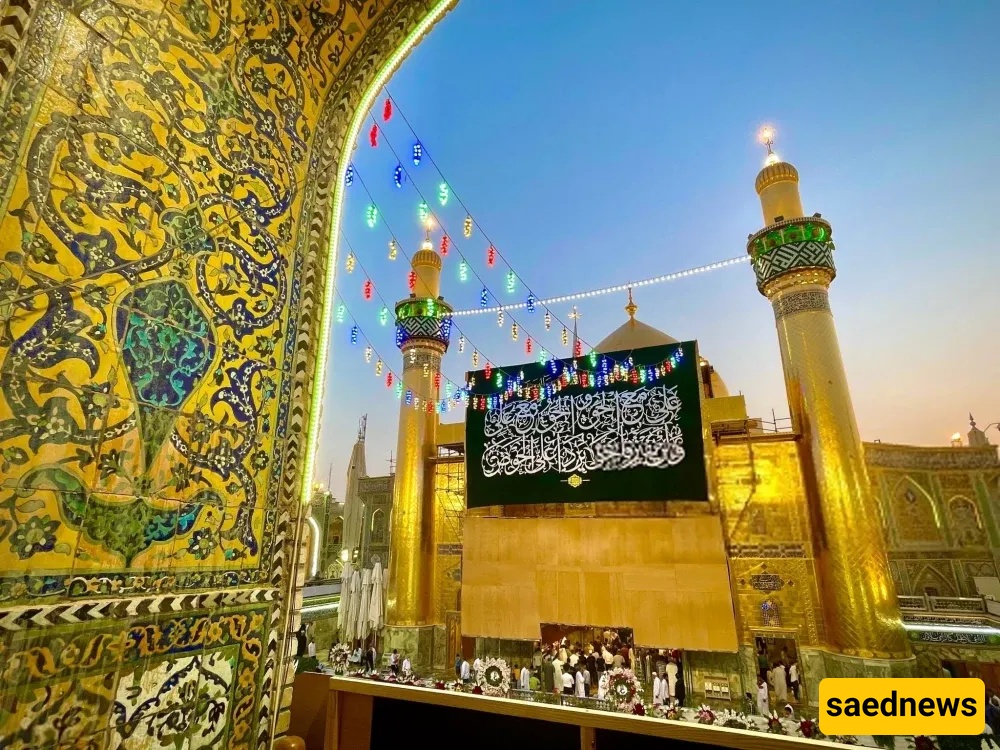
According to Saednews, Performing ghusl (ritual washing) and kafan (shrouding) for a deceased Muslim is generally an obligation in Islam. However, Imam Husayn ibn Ali (peace be upon him) was not washed or shrouded before burial because he was martyred on the battlefield. According to both Sunni and Shia Islamic jurisprudence, a martyr who dies in battle is buried in the clothes in which he was martyred, without ghusl, and in many juristic opinions, without a separate shroud. This ruling is not unique to Imam Husayn but applies to battlefield martyrs in general.
Following the Battle of Karbala on the 10th of Muharram, 61 AH (680 CE), the army of Umar ibn Sa'd, acting under the authority of Yazid ibn Mu'awiyah and Ubayd Allah ibn Ziyad, desecrated the bodies of Imam Husayn and his companions. Their blessed bodies remained on the scorching plains of Karbala for three days, as no one dared approach them due to the presence of enemy forces. This deliberate disrespect formed part of the Umayyad regime's campaign of intimidation and oppression.
On the night of the 11th of Muharram, members of the Banu Asad tribe, who lived near Karbala, buried the martyrs with the guidance of Imam Ali ibn Husayn (Imam al-Sajjad) and Lady Zaynab (peace be upon them). The circumstances were so dangerous that it was impossible to perform the complete funeral rites in the usual manner.
One of the primary reasons for the immediate burial was the continued presence of the Umayyad army. There was a real danger that any gathering of mourners could provoke another attack. The Banu Asad and the surviving members of the Prophet's family had to bury the martyrs quickly and quietly to avoid further violence.
Water, which is required for ritual washing, was extremely scarce. The enemy had blocked access to the Euphrates River, depriving the camp not only of drinking water but also of water for religious purposes. There was also an insufficient supply of cloth to provide shrouds for all seventy-two martyrs, making the normal burial procedures practically impossible.
Islam encourages the prompt burial of the deceased. Since the martyrs' bodies had already remained exposed for three days, any further delay would have increased the dishonor inflicted upon them. Preserving their dignity through immediate burial became the highest priority.
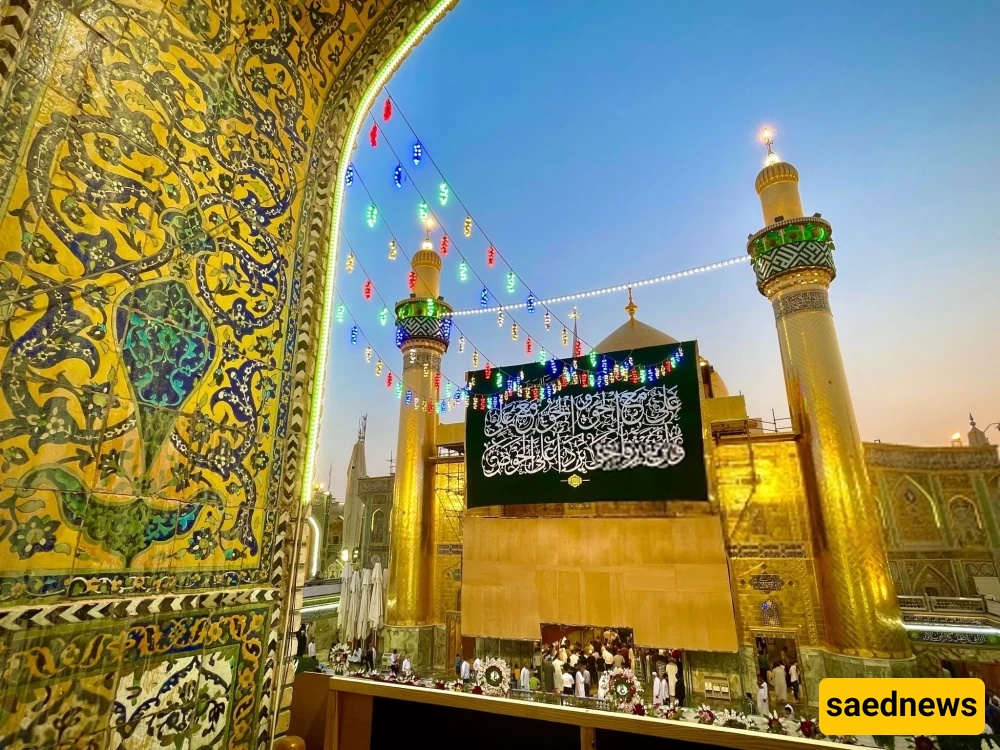
According to both Shia and Sunni Islamic law, a Muslim who is martyred in battle is generally buried without ghusl, wearing the clothing in which he was killed. This ruling reflects the unique spiritual status of martyrs, who are regarded as having attained a special state of purity through their sacrifice.
Imam Husayn and his companions are universally recognized by Muslims as among the greatest martyrs in Islamic history.
Many Islamic scholars explain that those who die directly from battle wounds are exempt from the normal requirements of ritual washing before burial. Since Imam Husayn was martyred on the battlefield with his body covered in wounds and blood, his burial followed this established legal principle.
Shia narrations report that Imam Ja'far al-Sadiq stated:
"Imam Husayn was buried without ghusl and without kafan because he was a martyr, and martyrs are buried without ghusl and kafan."
This narration presents the burial as fully consistent with Islamic law concerning battlefield martyrs.
Classical historians, including al-Tabari, Ibn Kathir, and Shaykh al-Mufid, record that the Banu Asad tribe buried Imam Husayn and his companions with the guidance of Imam al-Sajjad and Lady Zaynab. They also note that the dangerous conditions and fear of the enemy prevented the normal funeral rites from being carried out.
The burial of Imam Husayn without the customary funeral rites has become a lasting symbol of the immense ظلم (oppression) and suffering endured by him and his companions. It reflects the extreme cruelty inflicted upon the family of the Prophet Muhammad.
Despite the grave danger, the Banu Asad tribe and the surviving members of the Prophet's family fulfilled their religious duty by ensuring the martyrs received a dignified burial. Their actions demonstrate courage, devotion, and respect for the sanctity of the deceased.
No. According to the established rulings regarding battlefield martyrs, and considering the extraordinary circumstances at Karbala, the burial without ghusl and the usual shrouding was fully consistent with Islamic legal principles.
At the time, Imam al-Sajjad was seriously ill and under close surveillance by the Umayyad forces. Although he guided the burial and identified the graves, his illness and the constant threat posed by the enemy prevented him from carrying out every aspect of the burial personally.
Imam Husayn (peace be upon him) was buried without ghusl and the customary kafan not because Islamic funeral obligations were ignored, but because Islamic law provides a special ruling for martyrs who die on the battlefield. The extraordinary conditions following the tragedy of Karbala—including the continued presence of enemy forces, the lack of water and burial materials, and the urgency of preserving the martyrs' dignity—made immediate burial both a religious necessity and a practical obligation. His burial remains one of the most powerful symbols of sacrifice, steadfastness, and faith in Islamic history.