SAEDNEWS: The white shroud in Islam and other cultures symbolizes purity, equality, and simplicity in the face of death, with its roots found in religious teachings and principles of hygiene and wisdom.
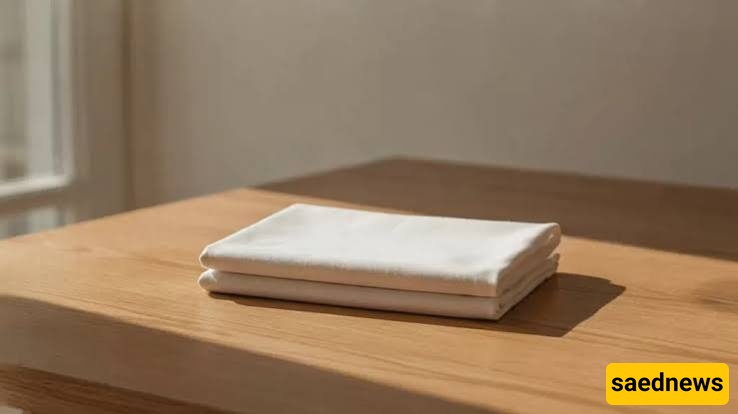
According to Saednews, The color white has been a symbol of purity, simplicity, innocence, and new beginnings in many religions and cultures. In Islam, a white shroud represents simplicity and the equality of all human beings before God. At the time of death, everyone is wrapped in a simple piece of cloth, and worldly differences disappear.
The preference for a white shroud is based on several reasons, including religious teachings, the tradition of the Prophet Muhammad (peace be upon him), and symbolic as well as practical considerations.
The main reason for choosing a white shroud is the recommendation of the Prophet Muhammad (peace be upon him). According to Islamic narrations, the Prophet advised Muslims:
“Wear white clothing, for it is among the purest and best of your clothes, and shroud your deceased in white cloth.”
This guidance made the use of a white shroud a recommended and highly valued practice in Islamic tradition.
In Islamic culture, the color white symbolizes purity, light, faith, and righteousness. A white shroud represents the idea that a person returns to God in a state of humility and purity, leaving behind worldly sins and impurities.
It also serves as a reminder of the garments of Paradise and the spiritual state of believers in the Hereafter.
A plain white shroud used for everyone — whether rich or poor, powerful or ordinary — symbolizes the equality of all people before death.
In the grave, worldly status, wealth, and social differences have no importance. Everyone is buried in the same simple covering, encouraging humility and discouraging pride and excessive display during funeral practices.
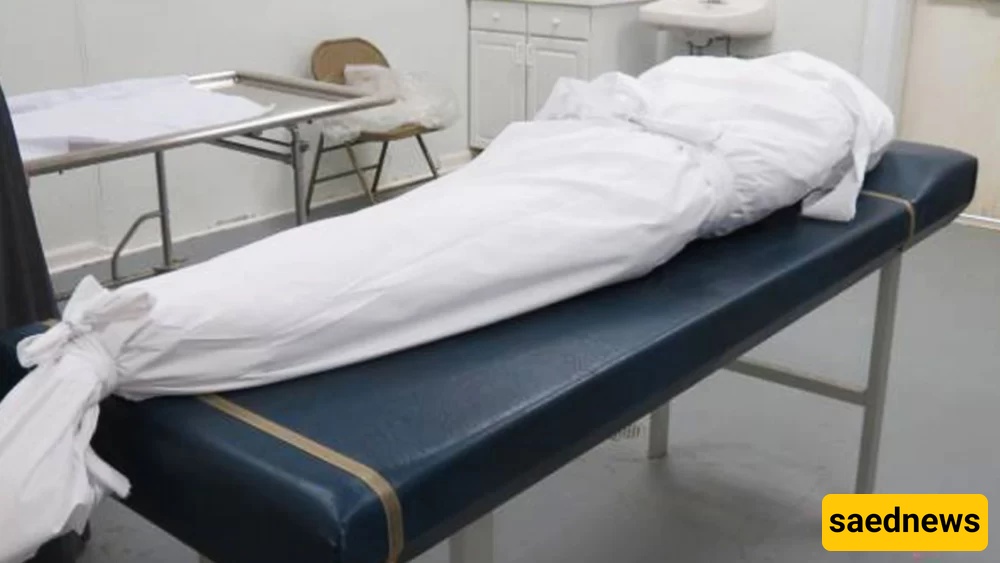
Although the primary reasons for a white shroud are religious and symbolic, the color white also has practical advantages:
Easy detection of impurities: White fabric makes it easier to notice stains, dirt, or bodily fluids, allowing proper cleaning or replacement when necessary.
Reflection of sunlight: White reflects light and helps reduce heat absorption, which can be beneficial in warmer climates.
Less heat absorption: Unlike darker colors, white does not absorb as much heat, helping maintain a more balanced temperature.
A white shroud is usually simple and without designs or decorations. This ensures that the deceased is not buried in clothing associated with wealth, fashion, or worldly status.
The simplicity of the shroud shifts attention toward the spiritual meaning of death rather than appearance and material possessions.
The white color of the shroud is also associated with the garment of Ihram worn during Hajj. Ihram symbolizes devotion, submission to God, equality, and preparation for meeting the Creator.
Just as pilgrims wear simple white clothing while performing Hajj, the deceased is wrapped in a white shroud when departing from worldly life.
In Islam, wearing a white shroud is recommended (Mustahabb), not obligatory. If another color must be used due to necessity, such as the unavailability of white cloth, the shroud remains valid according to Islamic principles.
The choice of a white shroud in Islam reflects deep spiritual meanings: purity, humility, equality, simplicity, and preparation for the journey to the Hereafter. It reminds people that beyond worldly differences, all human beings ultimately return to God in the same humble state.