SAEDNEWS: If you’re planning to sew and produce hoodies, it’s best to first familiarize yourself with the different types of fabrics suitable for making this warm and popular garment. This will help you choose the most appropriate fabric for your hoodie-making project.
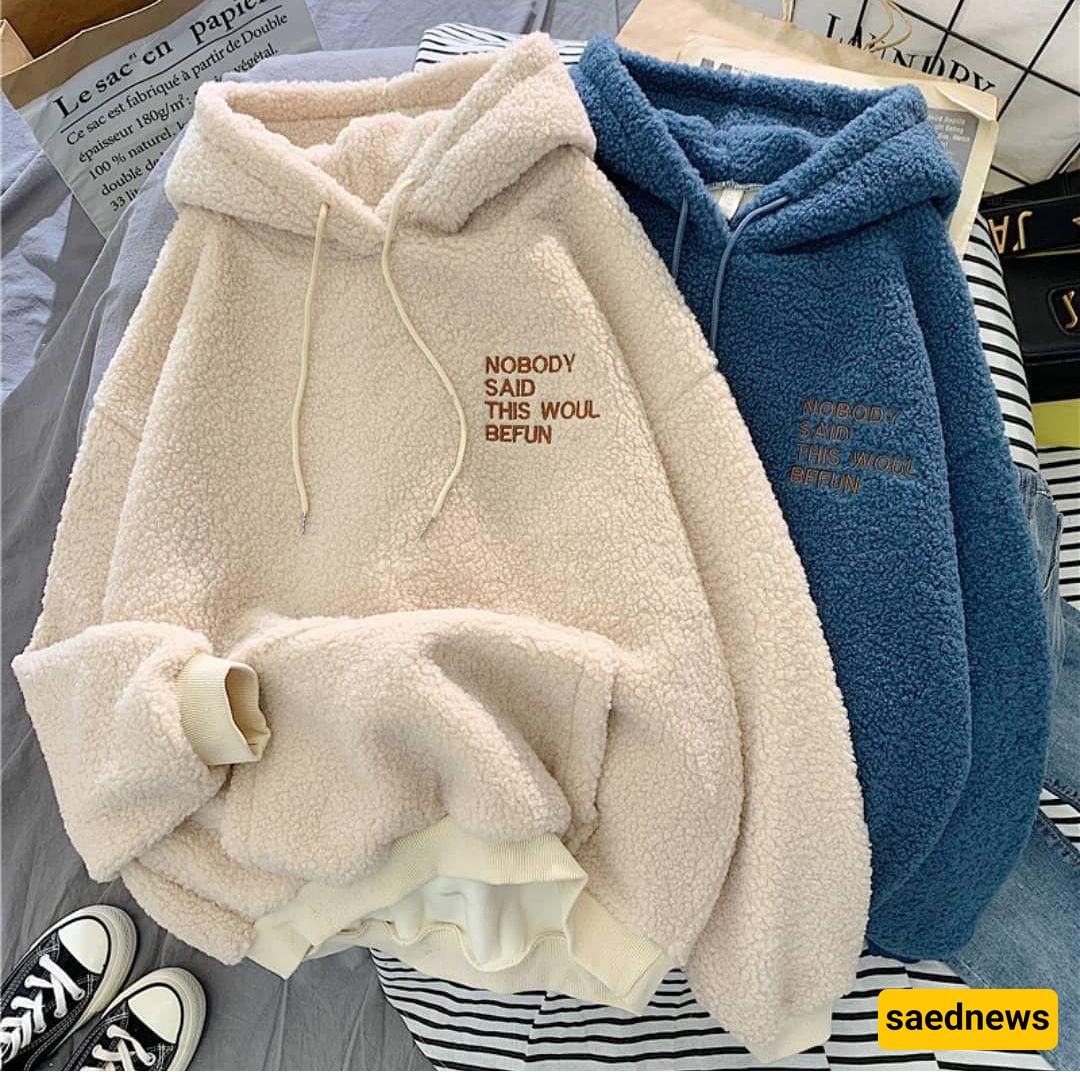
According to Saednews, If you are a manufacturer planning to produce hoodies and sweatshirts, choosing the right fabric is an important part of the production process. Successful manufacturers select fabrics that are trusted by wholesale buyers in terms of quality, durability, and market demand. Since wholesalers are among the main customers for these products, selecting the appropriate fabric can have a significant impact on the success of a hoodie or sweatshirt business.
There are several well-known fabrics commonly used to manufacture hoodies and sweatshirts. They are available in different designs, weights, qualities, and price ranges, making them relatively easy to source. The main focus should therefore be on selecting the fabric that best suits the intended product.
There are many options available for sweatshirt and hoodie production, but four types are particularly common among manufacturers:
French terry / Dורס fabric: A blend of cotton, polyester, and spandex
Viscose fabric: A blend of polyester and natural fibers
Wool fabric: A blend of natural animal wool and polyester
Lycra fabric: Mainly a blend of polyester and spandex
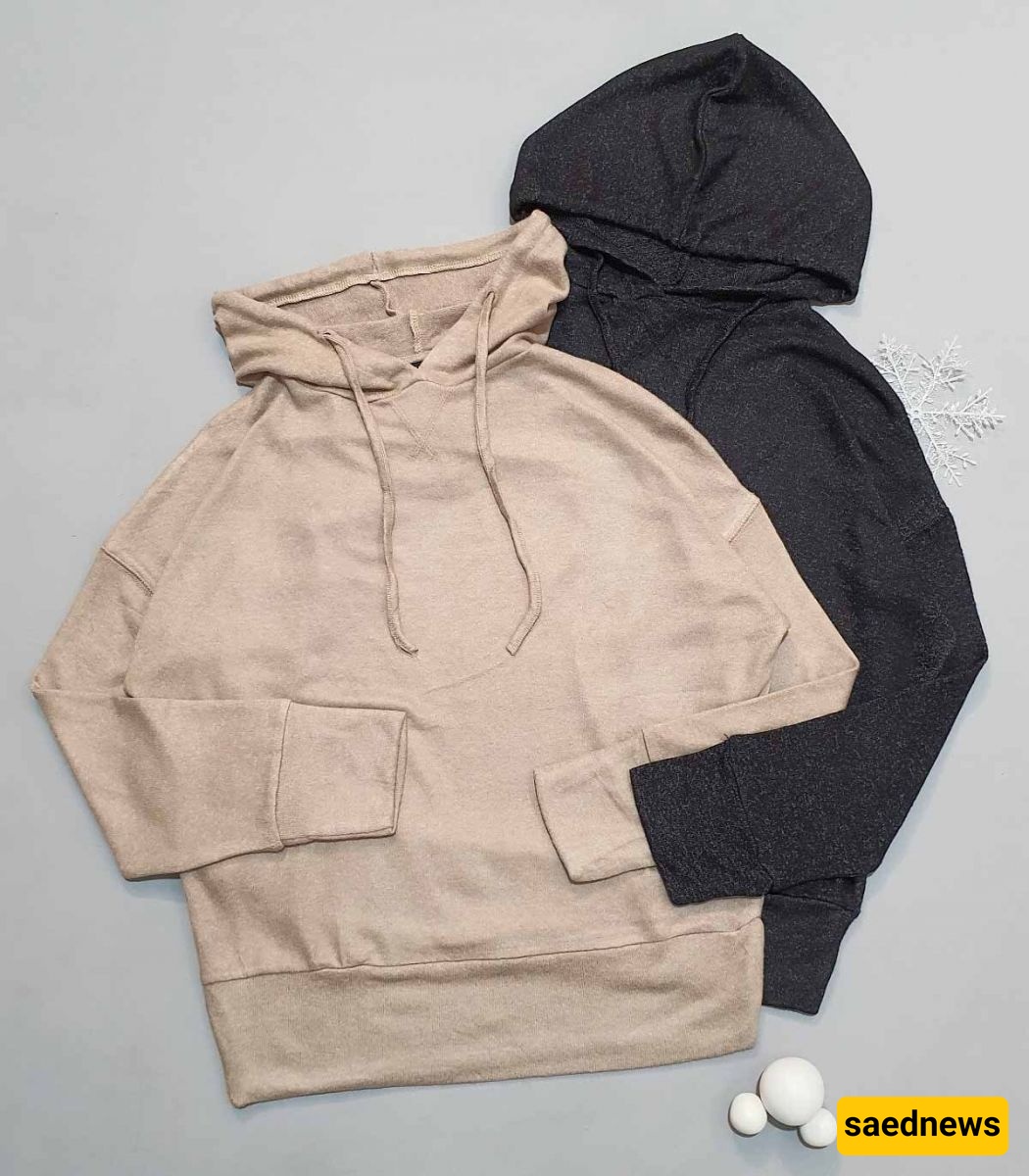
French terry is generally made from a combination of cotton, polyester, and spandex. Cotton helps provide warmth and insulation against cold temperatures. Polyester contributes to the fabric's structure, durability, and appearance, while spandex gives it stretch and flexibility.
Spandex is a synthetic fiber that is incorporated into the fabric, particularly to improve its elasticity. French terry is considered one of the commonly used fabrics for producing men's sweatshirts and hoodies.
Lycra fabric is generally characterized by its smooth and slightly shiny appearance. It is predominantly made from polyester, with the remaining composition consisting mainly of spandex.
Some varieties may contain only a small percentage of natural fibers, while most of the fabric structure is made from synthetic fibers.
Lycra offers good elasticity, flexibility, and a noticeable sheen. However, one disadvantage is its relatively low breathability, which can make the body feel warmer and less comfortable during heavy sweating.
This type of fabric is commonly used for sports hoodies and sweatshirts. It is lightweight and can often be identified easily by its smooth feel and stretch. Hoodies made from Lycra are generally available at relatively affordable prices.

Wool is another commonly used fabric for producing men's hoodies. It is often blended with polyester to achieve a balance between warmth, durability, and practicality.
One of the main advantages of wool fabric is its ability to provide insulation against both cold and heat. It is also highly durable, which makes it suitable for manufacturing different types of men's hoodies and sweatshirts.
One potential drawback is that wool fabrics may develop pilling over time. However, they generally offer good color retention and a long service life. Many traditional men's hoodies and sweatshirts are made using wool-blend fabrics.
Viscose is generally thinner and lighter than French terry and is usually produced by combining viscose or other natural-based fibers with polyester.
It is commonly used for both short- and long-sleeved T-shirts and is also found in some women's hoodies and sweatshirt designs.
Viscose offers a good balance between quality and price. It can also provide good durability when properly cared for and is generally resistant to repeated washing and ironing.
The most suitable fabric depends on the intended style, season, target market, and desired level of warmth and stretch.
For heavier and warmer hoodies, wool blends and thicker French terry fabrics can be suitable choices. For lightweight or sports-oriented designs, Lycra blends may be more appropriate. Viscose-based fabrics can work well for lighter and more flexible hoodie styles.
Hoodie and sweatshirt fabrics are available in many different qualities, compositions, weights, and designs. Their final prices can vary considerably depending on several factors, including:
Fabric composition
Quality and durability
Fabric weight and thickness
Production costs
Market demand
Exchange rates
Manufacturing location
Availability of raw materials
For manufacturers, comparing fabric quality and production requirements is therefore important when selecting a material for hoodie and sweatshirt production.