SAEDNEWS: In this article, you will become familiar with the culture and customs of the people of Iran.
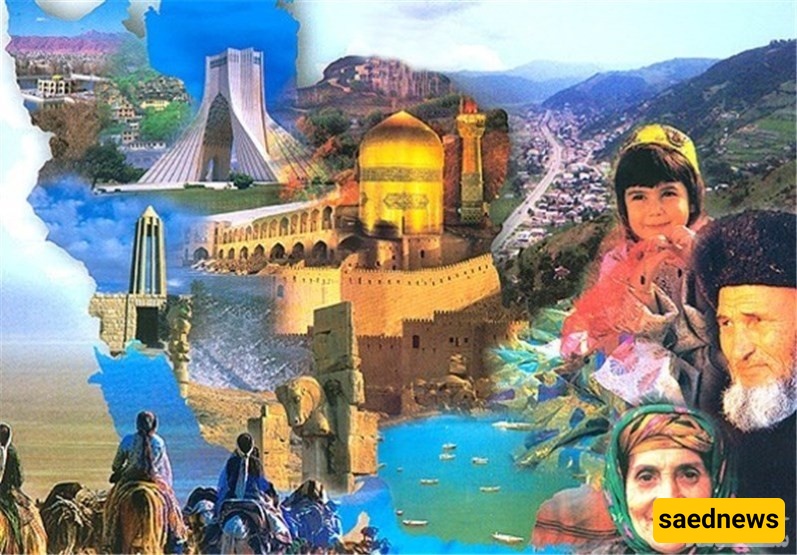
According to Saednews, Without a doubt, one of the most important parts of any journey is connecting with the people who live along your route or at your destination. The ability to communicate effectively with locals can help you avoid loneliness, seek assistance when facing challenges, and ultimately enjoy a more rewarding travel experience. It also opens the door to meeting new people and forming meaningful friendships along the way.
Every corner of the world has its own unique culture and customs, shaped by its history and traditions. These practices may feel even more fascinating to visitors encountering them for the first time. While knowing the local language is helpful, it is not enough on its own—true communication comes from understanding cultural norms and social behaviors.
Burning Esfand (Wild Rue)
It is commonly believed that burning esfand wards off the evil eye. Many mothers perform this ritual for their children. The plant is native to Asia and grows in parts of the Middle East and South Asia, including India and Pakistan. In Turkey, dried esfand capsules are hung in homes and cars for protection, while in Morocco, it is used to guard against harmful spirits.
Expressing “No” Without Words
Iranians often avoid directly saying “no.” Instead, they may raise their eyebrows or make a subtle clicking sound like “nch!” to indicate disagreement. Sometimes both gestures are combined. While this may seem indirect, it reflects a softer, less confrontational communication style that can be confusing for first-time visitors.
Cucumbers in the Fruit Bowl
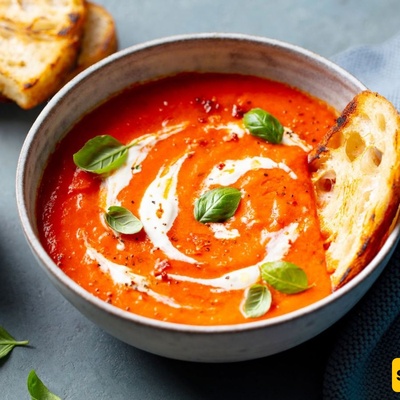
Serving fruit is an essential part of hospitality in Iran. Guests are often offered a large fruit platter before or after tea. Interestingly, cucumbers are considered a staple in these fruit bowls, even though they are classified as vegetables in many other cultures. The rest of the selection usually depends on the season.
Finger Snapping in Celebrations
Finger snapping is a traditional expression of joy, commonly seen at weddings and celebrations. It is considered a skill, often learned from a young age, and comes in different styles that produce various sounds. The simplest method involves pressing the thumb firmly against the middle finger to create a snapping sound.
Offering Treats for Good News
In Iranian culture, when someone experiences a happy event—such as marriage, having a child, or buying a home—they are expected to share the joy by offering sweets to others. Even in formal settings like workplaces, colleagues may eagerly anticipate this gesture.
Parents Calling Children “Mom” and “Dad”
While children around the world call their parents “mom” and “dad,” in Iran, the reverse can also happen. Parents may affectionately address their children using these terms. This practice extends to other family roles as well and can be surprising to outsiders.
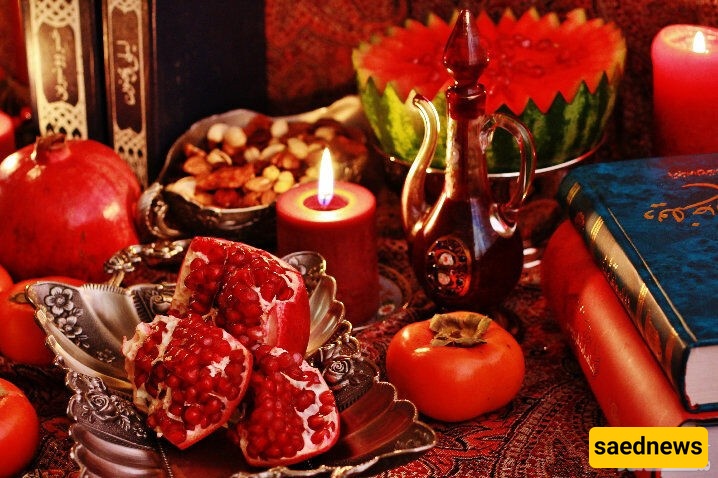
One of the most notable aspects of Iranian social behavior is ta’arof, a form of polite etiquette that often involves modesty and indirectness. For example, people may initially refuse offers of tea, food, or gifts, or use phrases that downplay the value of what they are giving. This can lead to confusion for visitors, but it is simply a sign of respect and courtesy. Persistence is usually expected in such situations.
Respect for elders is deeply rooted in Iranian society. When meeting a group, it is customary to greet older individuals first. Handshakes are common, and in some cases, a light kiss on the cheek may be exchanged. However, due to cultural and religious norms, physical contact between unrelated men and women is generally avoided.
Religion plays an important role in shaping Iranian culture. Since the majority of Iranians are Muslim, Islamic practices are reflected in many customs and ceremonies. One of the most significant religious events is the mourning period of Muharram, which commemorates the martyrdom of Imam Hussein in the Battle of Karbala. During this time, public processions and passion plays known as ta’zieh depict these historical events.
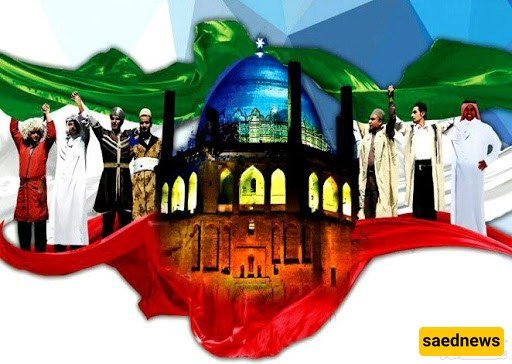
Many Iranian traditions have roots in ancient festivals. One of the most vibrant is Chaharshanbe Suri, held on the eve of the last Wednesday of the year. People light bonfires and jump over the flames, symbolically leaving behind the hardships of the past year and welcoming the new one.
The most important and ancient celebration is Nowruz, the Persian New Year, which begins on the first day of spring and lasts for thirteen days. During this period, families visit relatives and friends, exchange gifts, and start the year with forgiveness and renewed relationships.
The celebrations conclude with Sizdah Bedar, the thirteenth day of Nowruz. Since the number thirteen is traditionally considered unlucky, people spend the day outdoors in nature. Young women tie knots in grass as a symbol of wishes for the future, while families enjoy picnics and outdoor meals.
Experiencing these traditions offers travelers a deeper understanding of Iranian culture and a chance to connect with the warmth and hospitality of its people.