Saed News: From dolphins that spread their urine in an arched stream through the water to reptiles that essentially excrete solid urine, nature presents surprising phenomena in the world of waste elimination.
According to SAEDNEWS, this diversity is not only related to the physical form and structure of urine, but is also linked to unusual behaviors in some animals. From chemical signaling in Amazon river dolphins to defensive or reproductive uses of urine in rodents, and even its transformation into solid crystals in reptiles, each case shows that waste elimination in nature can serve functions far beyond a simple biological process.
In the following section, we take a closer look at the strangest forms of urination among animals and the scientific reasons behind these phenomena:
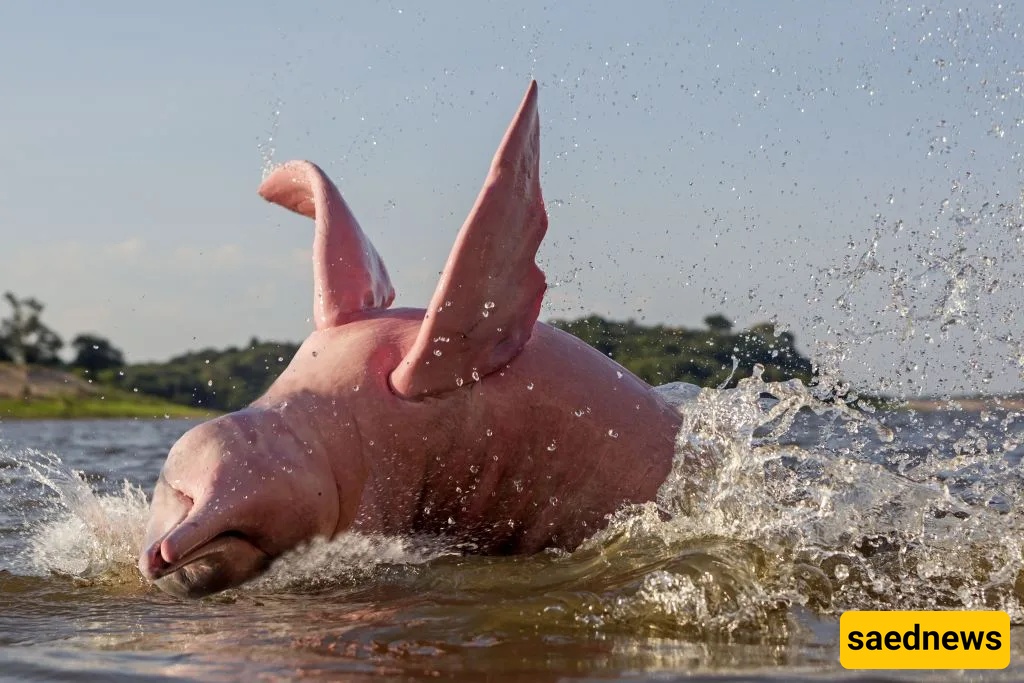
Amazon river dolphins turn on their backs while urinating, releasing an arched stream into the water—a flow that is not merely waste removal but carries important chemical signals that other dolphins can track. In some species such as hedgehogs, urine is even used to attract mates, while Siberian squirrels use the urine of chewed snakes to hide from predators.
But the most astonishing case is seen in reptiles, where urine does not exist in liquid form. In mammals and bony fish, ammonia is converted into urea and excreted as liquid, but reptiles, birds, and insects convert it into uric acid, which is almost insoluble in water. The result is excretion in the form of a paste or even solid substance called “urate.”
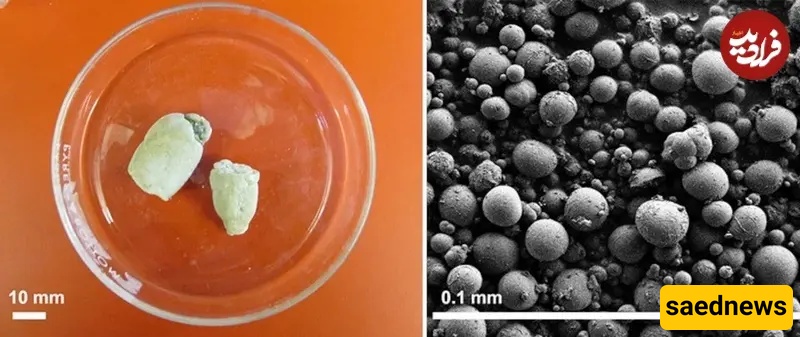
Scientific studies show that these urates are composed of very small uric acid crystals that form spherical structures at the microscopic level. These structures help animals lose less water and better regulate their body’s salt balance—a mechanism that likely evolved in response to living in dry environments.
Ultimately, although this type of excretion may seem strange from a human perspective, it is completely natural and efficient for these animals, and may even help improve our understanding of diseases such as gout and kidney stones in humans in the future.