Saed News: have you ever finished a video game and instead of feeling happy, experienced a sense of emptiness and sadness? As if you had returned from a real world and left something behind. A new study suggests that for the brain, finishing some games feels similar to saying goodbye to a real world or even losing an emotional relationship.
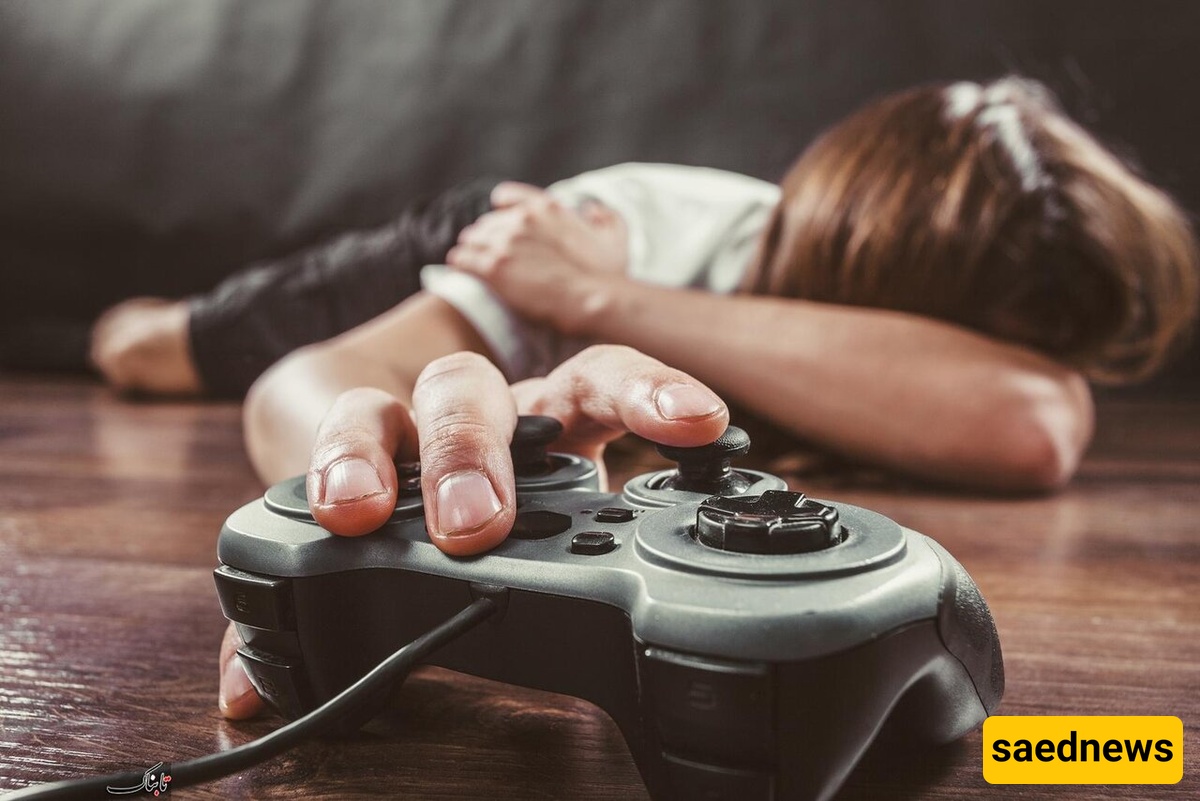
According to SAEDNEWS, perhaps you have wondered why some people feel sad after finishing a video game. Now science has found an answer. A new study shows that the end of some games can feel to the brain like saying goodbye to a real world or even losing an emotional relationship.
A recent study published in the journal Psychology Today explores an emotion many gamers experience but has rarely been taken seriously: feelings of sadness, emptiness, or boredom after finishing an engaging video game. Researchers have named this phenomenon “post-game depression,” a state that has now been scientifically examined and measured for the first time.
It may seem strange to non-gamers that finishing a game can trigger such a strong emotional response. However, modern games are no longer simple entertainment. Many include deep stories, complex characters, and expansive worlds in which players spend hours, days, or even months immersed. This emotional involvement makes finishing the game feel like saying goodbye to a familiar world or even losing an important relationship.
This study was conducted by two Polish researchers who were inspired by discussions from gamers on social media and gaming communities. Many players described feelings of emptiness after finishing their favorite games. The researchers studied over 370 gamers and even developed a tool to measure the intensity of this experience.
The results showed four main symptoms of “post-game depression”: constant thoughts about the game, sadness about the story ending, an immediate desire to replay the game, and reduced enjoyment of other activities.
Researchers also found that role-playing game players experience this feeling more strongly than others, because these games often create long, emotional stories and deep connections with characters. Many users reported feeling emptiness and lack of motivation for days after finishing games like God of War.
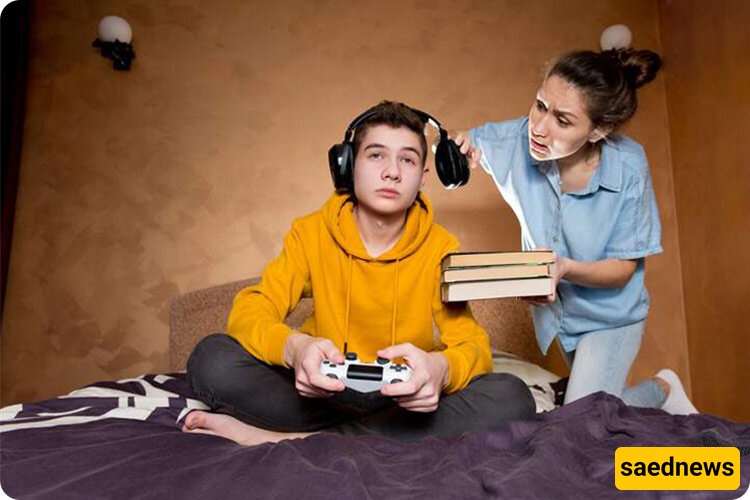
Researchers emphasize that this state is not necessarily clinical depression. Instead, the term “depression” here refers to an emotional experience similar to what some people feel after finishing a favorite series, book, or film.
Psychologists explain this through the concept of “parasocial attachment,” where people form emotional bonds with fictional characters or story worlds. When the story ends, the mind experiences a sense of loss. This effect is more common in people who have difficulty processing emotions or managing repetitive thoughts. In other words, the game itself is not the problem; rather, it is the emotional connection to the experience that matters.
The answer is yes. Psychologists believe this research shows that video games are no longer just entertainment tools but can provide deep, meaningful, and even transformative experiences. That is why finishing a game can feel less like simply closing a screen and more like ending an important chapter of life.