SAEDNEWS: New mountains have recently been discovered on a planet in our solar system, making Mount Everest look like a mere rock in comparison.
![Meet the Tallest and Most Majestic Mountains in the Solar System [Photos]](https://en.saednews.com/storage/files/post/b918cd02-6a54-4306-a530-b9b280459db1-XV35bVY8B1y0ljIj/image.jpg)
According to Saed News’ General News Service, since Edmund Hillary and Tenzing Norgay first conquered Mount Everest in 1953, the peak has symbolized the ultimate mountaineering challenge. But as humanity inches closer to realizing the dream of extending life across the solar system, future climbers may face far greater challenges. A new interactive map of the tallest mountains in the solar system reveals just how small Earth’s peaks really are in comparison.
The Tallest Peaks in the Solar System
Rheasilvia on Vesta
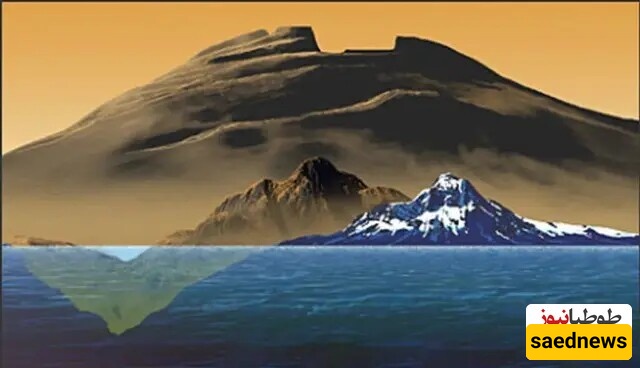
Contrary to popular belief, the tallest peak in the solar system is not on Earth or Mars—it rises on the asteroid Vesta. This massive asteroid makes up 9 percent of the total mass of known asteroids. Rheasilvia, towering at a staggering 22,500 meters, is nearly three times the height of Everest. The mountain formed within a colossal impact crater that covers 90 percent of Vesta’s surface.
Olympus Mons: Mars’ Volcanic Giant
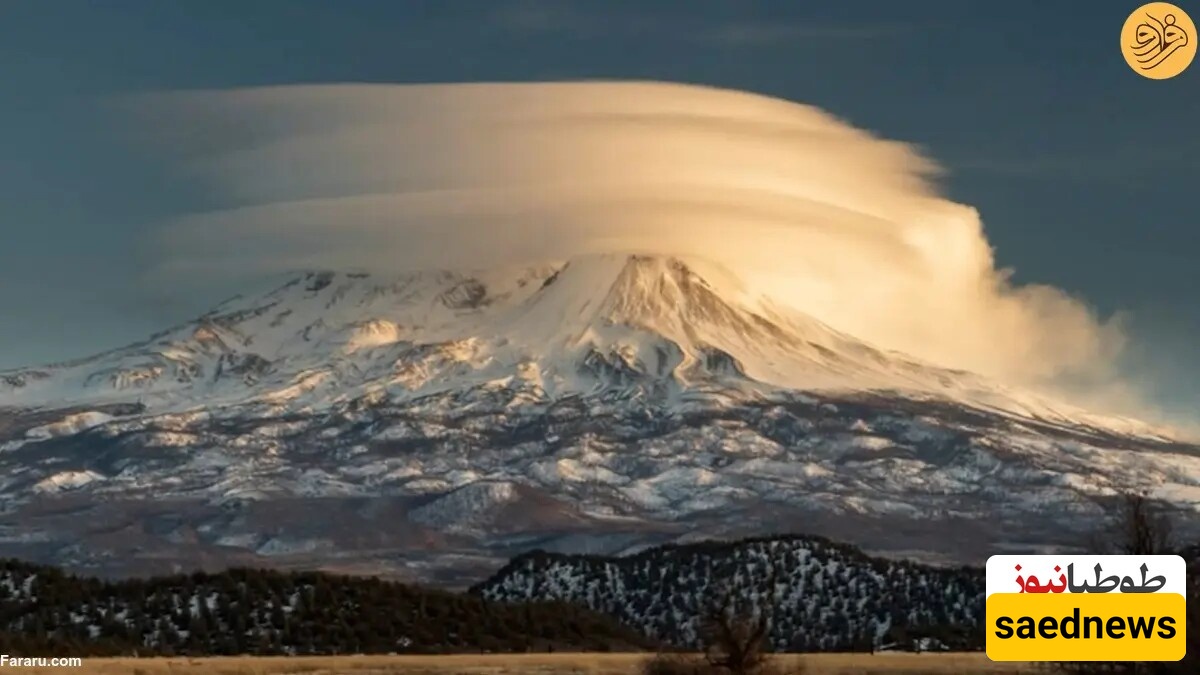
Second in line is Olympus Mons on Mars. Rising 21,945 meters above Mars’ global datum (roughly equivalent to sea level on Earth), it is the tallest volcano in the solar system. Olympus Mons is not only incredibly high but also a “shield volcano” that spans an area the size of France. Remarkably, it has been dormant for at least 25 million years.
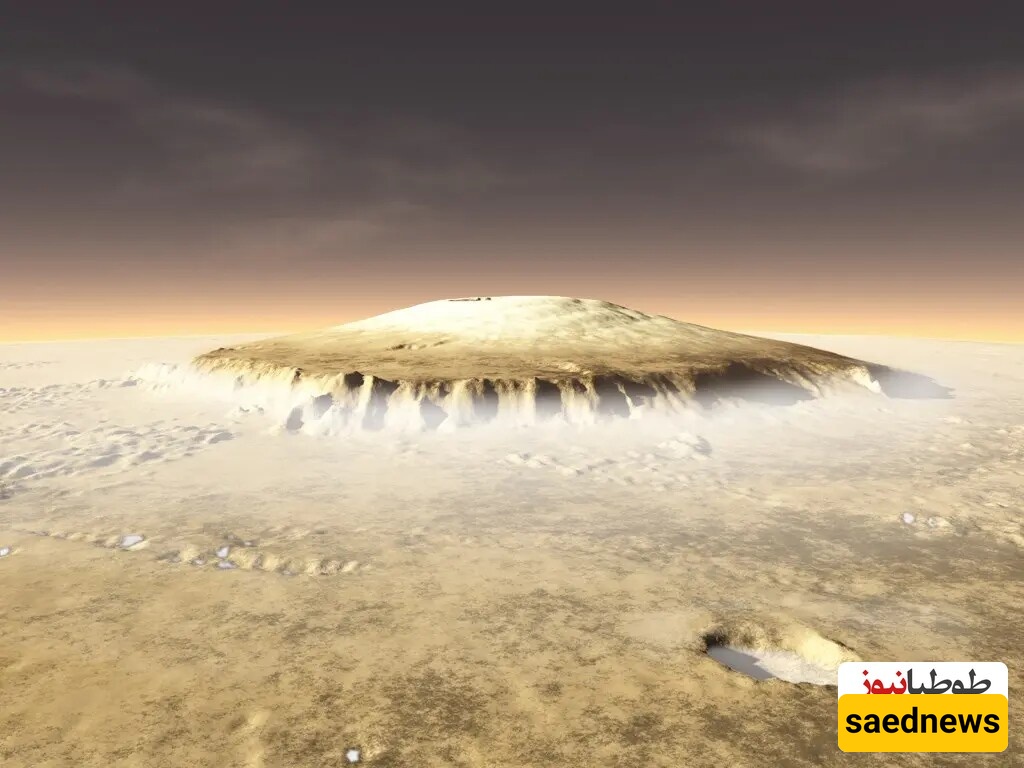
Discovery and Features of Olympus Mons
NASA’s Mariner 9 spacecraft discovered Olympus Mons in 1971. Its name comes from the mythical home of the Greek gods. The mountain is part of the Tharsis Montes region near Mars’ equator. Unlike Earth’s volcanoes, which are shaped by tectonic plate movement, Olympus Mons sits atop a magma hotspot. This allowed the volcano to grow to its enormous size over millions of years of activity.
A New Discovery: Ice at the Summit
Recently, scientists discovered that ice forms on the peak of Olympus Mons. Each day, a layer of ice as thin as a human hair settles atop the volcano. The total amount of ice is enough to fill 60 Olympic-sized swimming pools. This finding could transform our understanding of Mars’ climate.
The Solar System’s Tallest Mountains and the Future of Space Exploration
These astonishing discoveries suggest that future space exploration could present humanity with entirely new—and thrilling—challenges. Comparing Earth’s mountains with the giants of the solar system highlights the breathtaking scale and diversity of our cosmic neighborhood. As space technologies advance, it may not be Everest that future mountaineers aim to conquer, but the towering peaks of Mars—or even distant asteroids.