SAEDNEWS: The term “Cannibal River” is a nickname given to rivers known for their deadly hazards, ranging from predatory animals and powerful currents to dangerous chemical pollution. These threats are explored in this article.
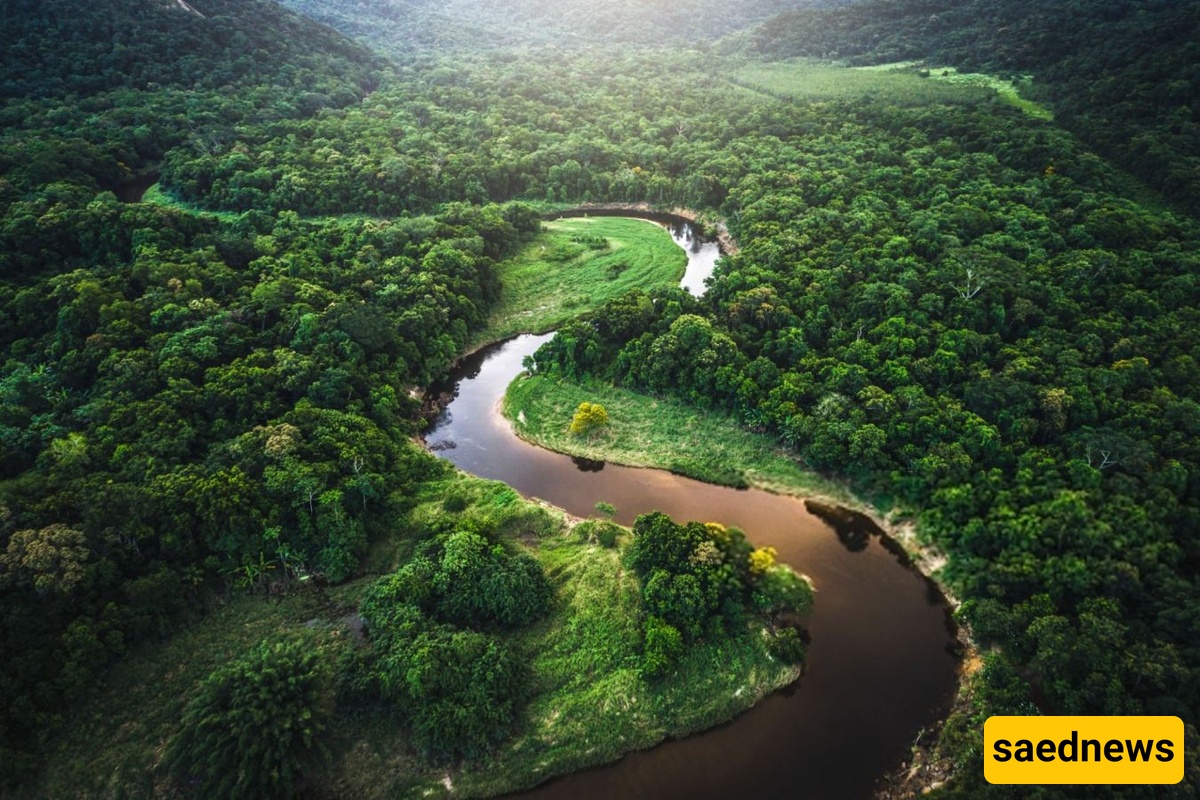
According to Saednews, Since ancient times, nature has always been a combination of beauty and danger. Among natural phenomena, rivers have long been symbols of life, prosperity, and the development of civilizations. However, some rivers around the world have earned frightening titles such as “man-eating rivers” because of their deadly characteristics. This terrifying label is not merely a local legend; it reflects real scientific, geographical, and environmental factors that make certain rivers dangerous.
A man-eating river refers to rivers that pose serious threats to human life due to dangerous wildlife, deadly currents, extreme temperatures, or toxic chemical conditions. In this article, we explore some of the world’s most infamous dangerous rivers, examine the scientific reasons behind their risks, and uncover the myths surrounding them.
The Amazon River is undoubtedly one of the most famous dangerous rivers in the world. Flowing through South America, this massive river is home to numerous species that can pose serious threats to humans.
Piranhas: These meat-eating fish are known for their sharp teeth and powerful jaws. Under certain conditions, such as extreme drought or food shortages, they may become more aggressive. Although attacks on humans are rare, their frightening reputation has made them one of the Amazon’s most famous predators.
Anacondas: These are among the largest snakes in the world. Living in Amazonian waters, they have the strength to overpower and swallow large animals.
Crocodiles and Caimans: These giant reptiles are apex predators and can pose a serious threat to people entering their territory.
Electric Eels: These fish can generate electric shocks of up to 600 volts, which can be dangerous and potentially fatal to humans.
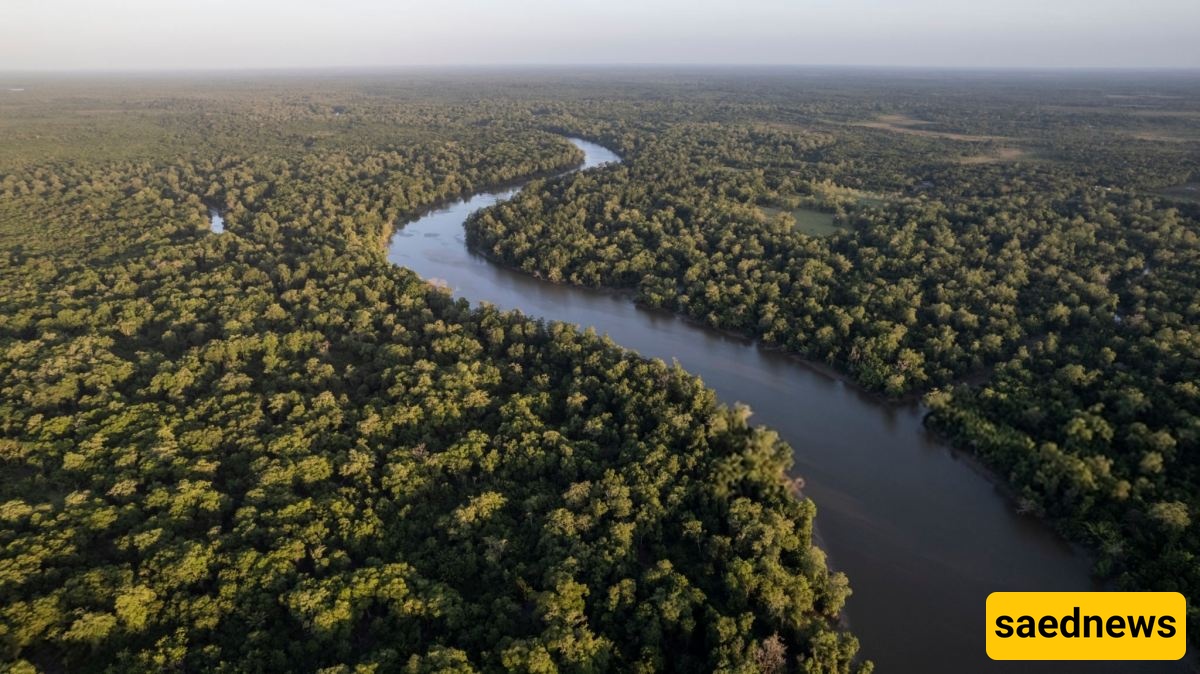
The Zambezi River in southern Africa, especially near the famous Victoria Falls region, is considered one of the world’s most dangerous rivers due to the presence of Nile crocodiles.
Thousands of crocodile attacks occur worldwide every year, and Africa experiences a significant number of fatal incidents. Many attacks happen in rivers where humans and wildlife share the same water sources, including parts of the Zambezi River.
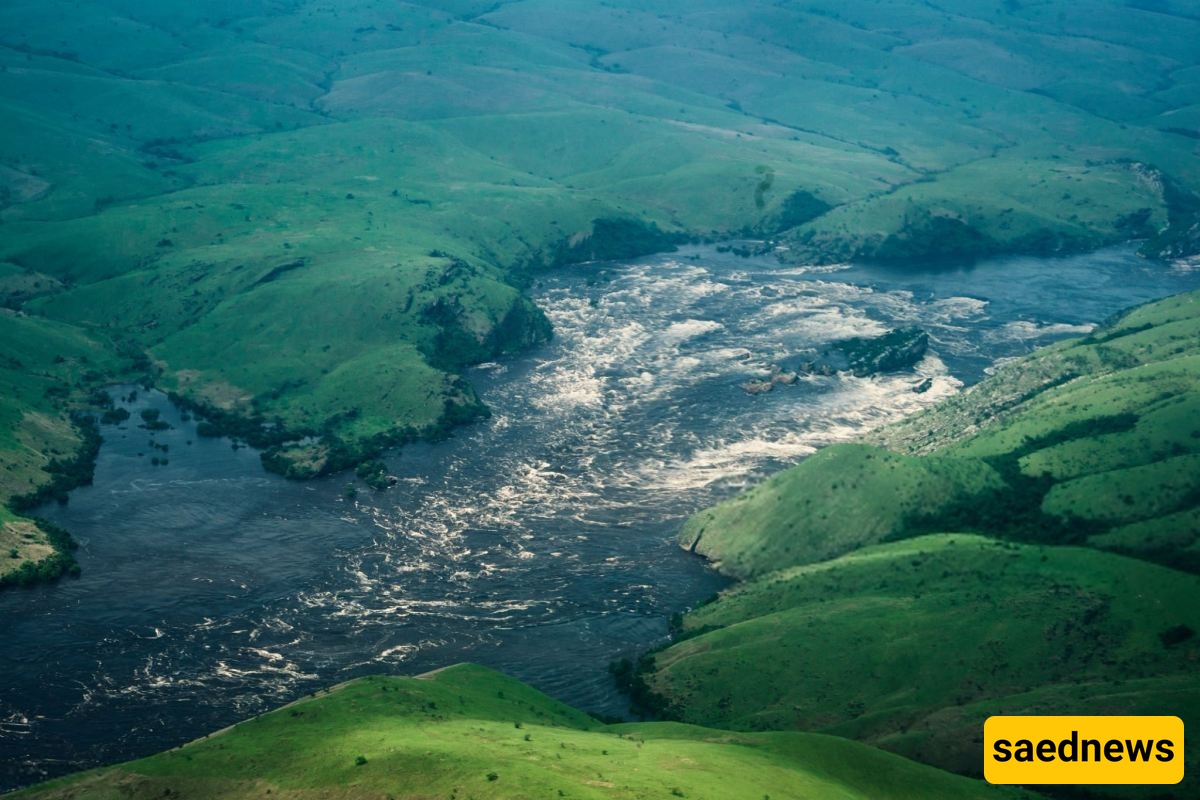
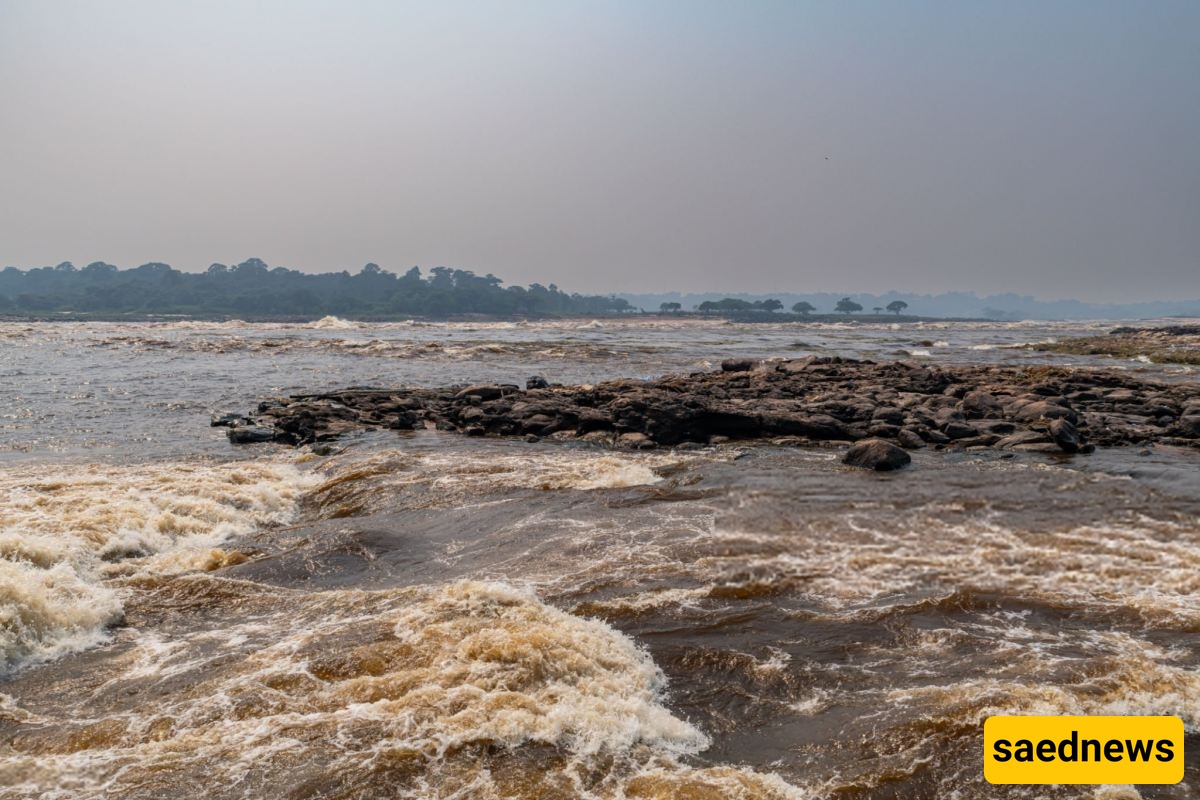
Located in Central Africa, the Congo River is dangerous not only because of its extreme depth and powerful currents but also because of its wildlife.
One of its most feared inhabitants is the tigerfish, a large predatory fish with sharp teeth capable of attacking and capturing other animals.
Scientific Reasons Why Some Rivers Are Deadly
The presence of top predators is one of the main reasons some rivers are considered dangerous. These include:
Crocodiles and caimans
Freshwater sharks, such as bull sharks
Large carnivorous fish
Other aggressive aquatic species
These animals can become a threat when humans enter their natural habitats.
Many tropical rivers contain harmful bacteria, viruses, and parasites that can cause serious diseases, including:
Cholera
Typhoid fever
Leptospirosis
Some rivers contain powerful underwater currents and dangerous whirlpools capable of trapping even experienced swimmers.
Extremely hot water in certain volcanic or geothermal regions can cause severe burns, heat shock, or other life-threatening injuries.
Some rivers have become dangerous due to industrial waste containing toxic substances such as:
Mercury
Lead
Cadmium
Other harmful chemicals
These pollutants can threaten both humans and wildlife.
In volcanic areas, some rivers contain high levels of sulfuric acid and other minerals. These acidic waters can damage skin and living tissue within minutes.
One of the most common stories about the Amazon River is that groups of piranhas can attack and consume humans within minutes. While these stories are greatly exaggerated, they are based on some real biological characteristics. Piranhas usually avoid humans and only become aggressive under unusual conditions such as extreme hunger or being disturbed.
In some African and South American cultures, dangerous rivers are believed to be “cursed” or inhabited by evil spirits. These beliefs often come from humanity’s natural fear of the unknown, combined with real events such as drownings and animal attacks.
Movies and documentaries have often exaggerated river dangers, creating terrifying images in popular culture. Films such as “Piranha” (1978) and “Anaconda” (1997) are examples of fictional stories that increased public fascination with deadly rivers.
Although Iran does not have rivers officially known as “man-eating rivers,” some waterways can still be dangerous because of strong currents and challenging geographical conditions.
Karun River: Iran’s largest river, which has caused accidents due to deep waters and powerful currents.
Zayandeh Rud River: During periods of high water flow, certain areas can become dangerous.
Northern Iranian Rivers: Rivers such as the Sefid Rud and Haraz can be hazardous because of fast currents, slippery rocks, and sudden changes in water levels.
Rivers are among the most important natural resources on Earth, supporting ecosystems, communities, and civilizations. However, some rivers remind us that nature can also be unpredictable and dangerous. Whether because of predators, powerful currents, extreme environments, or human pollution, these waterways demonstrate the delicate balance between the beauty and danger of the natural world.