SAEDNEWS: Homemade frozen yogurt is a cool, healthy alternative to high-calorie ice cream during hot summer days. This classic Persian dessert is light, refreshing, and easy to make, offering delicious flavor with wholesome ingredients.
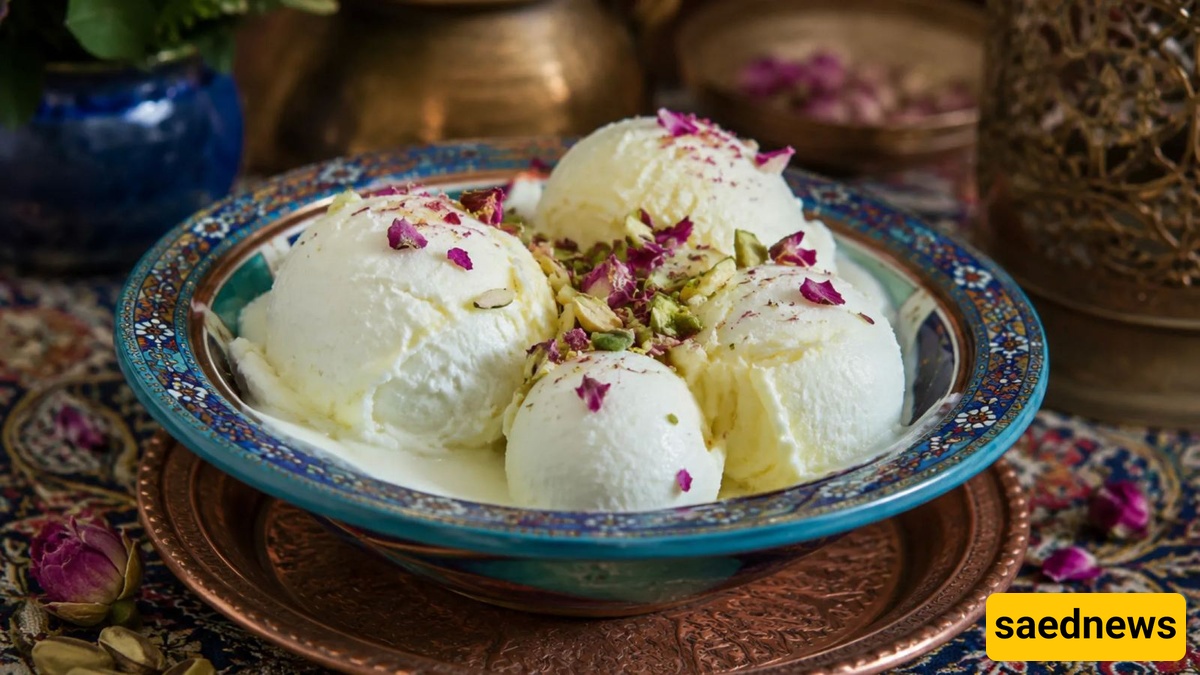
According to Saednews, As summer temperatures rise, Iranians have long turned to refreshing foods and chilled drinks to stay cool. Alongside traditional beverages, Shirazi faloodeh, Persian ice cream, and regional refreshments, frozen yogurt (Yakh Mast) has remained one of Iran's classic homemade desserts. Although it is less common today than in the past, it still holds a special place in traditional Persian cuisine.
Made with yogurt, a sweetener, and sometimes nuts or natural flavorings, frozen yogurt is a simple dessert that offers a healthier alternative to many commercially produced frozen treats.
Nutrition experts recognize yogurt as an excellent source of protein, calcium, and beneficial probiotic bacteria. When prepared at home with moderate amounts of sugar, frozen yogurt can be part of a balanced diet.
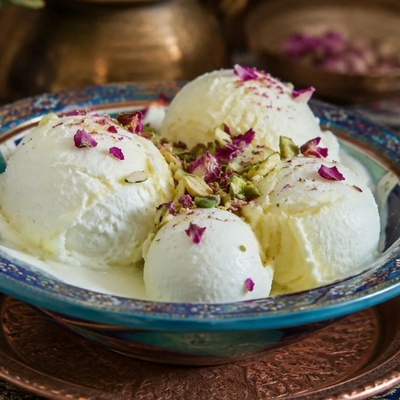
Frozen yogurt is a semi-frozen dessert made from yogurt combined with sugar or honey and, depending on the recipe, cream, rosewater, saffron, vanilla, or fresh fruit. While it resembles ice cream in appearance, its texture is lighter because yogurt is its primary ingredient.
Before household freezers became common, Iranians prepared frozen yogurt using natural ice and salt. As refrigerators and freezers became widely available, it became a popular homemade dessert enjoyed on hot summer afternoons or after meals.
Compared with traditional ice cream, frozen yogurt generally contains less fat. When made with low-fat yogurt and a moderate amount of sweetener, it becomes an even lighter dessert option.
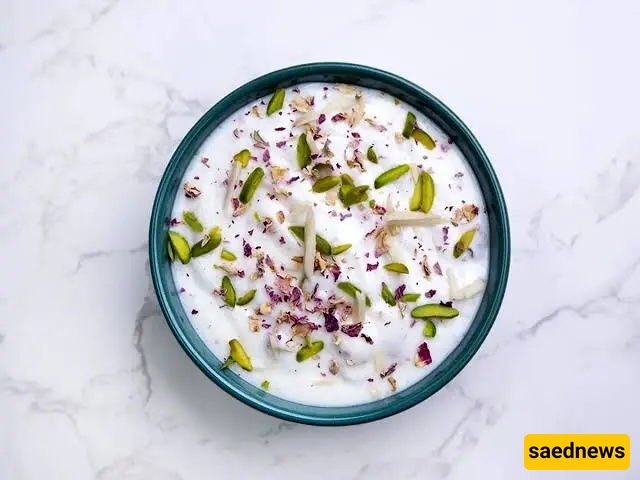
Nutrition specialists consider yogurt one of the most nutritious dairy products. It provides:
High-quality protein
Calcium
Phosphorus
Vitamin B12
Riboflavin (Vitamin B2)
Yogurt containing live cultures also supports digestive health. Although freezing may reduce some probiotic bacteria over time, many remain active. Its protein content also helps promote fullness, making frozen yogurt more satisfying than many sugary desserts.
Although frozen yogurt and ice cream look similar, they differ significantly.
Traditional ice cream typically contains:
Heavy cream
Whole milk
Larger amounts of sugar
Frozen yogurt, on the other hand, uses yogurt as its main ingredient, usually resulting in lower fat and fewer calories in homemade recipes.
However, adding generous amounts of cream, condensed milk, or sugar increases the calorie content, reducing its nutritional advantage. The healthiness of frozen yogurt depends largely on how it is prepared.
2 cups strained yogurt (or Greek yogurt)
4–5 tablespoons sugar or 2–3 tablespoons honey
½ teaspoon vanilla
2 tablespoons heavy cream (optional)
1 tablespoon rosewater
A small amount of brewed saffron (optional)
Chopped pistachios or sliced almonds for garnish
Greek yogurt may also be used for a thicker, creamier texture.
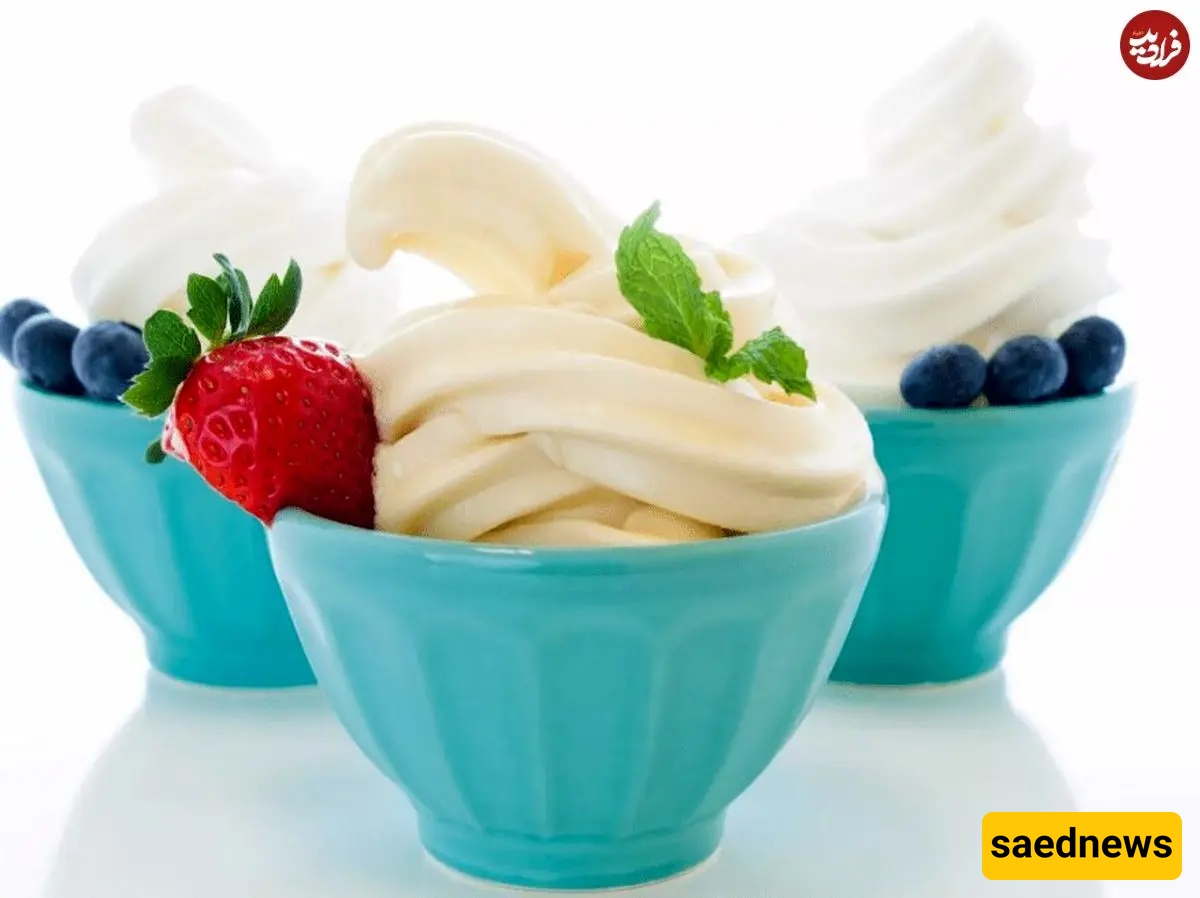
Place the yogurt in a large bowl and whisk until completely smooth.
Add the sugar or honey and continue whisking until dissolved.
Stir in the rosewater, vanilla, and saffron if using.
For a richer consistency, mix in the heavy cream.
Transfer the mixture to a freezer-safe container with a lid and freeze.
Every 30–45 minutes, remove the container and stir thoroughly with a fork or whisk. This prevents large ice crystals from forming and keeps the texture creamy.
After about 3–4 hours, the frozen yogurt is ready to serve.
Frozen yogurt is highly versatile. Popular additions include:
Strawberries
Mangoes
Bananas
Peaches
Sour cherries
Sweet cherries
Barberries or blueberries
For extra flavor, you can also add:
Cinnamon
Cardamom
Cocoa powder
Grated dark chocolate
Chopped walnuts, pistachios, almonds, or hazelnuts not only enhance texture but also boost the dessert's nutritional value.
Because it contains more protein than many traditional desserts, frozen yogurt is suitable for:
Children
Teenagers
Older adults
Athletes
People with diabetes should reduce the amount of added sugar or use suitable sweeteners under medical guidance. Those with lactose intolerance may prepare it using lactose-free yogurt.
Use thick yogurt for a creamier consistency.
Fresh fruit provides better flavor and nutrition than artificial flavorings.
Add sugar gradually to match your preferred sweetness.
If frozen for an extended period, allow the dessert to sit at room temperature for about 10 minutes before serving to soften slightly.
Nutrition experts agree that no sweet dessert should be consumed without moderation. However, homemade frozen yogurt prepared with low-fat yogurt, fresh fruit, and a reasonable amount of sweetener is generally a healthier choice than many commercially produced ice creams.
Preparing it at home also allows you to avoid artificial colors, chemical flavorings, and preservatives while maintaining full control over ingredient quality.
On hot summer days, frozen yogurt offers a refreshing way to cool down while contributing to your daily dairy intake. Nevertheless, it should not replace drinking water, and adequate hydration remains essential during warm weather.