SAEDNEWS: Bombay is a popular and delicious finger food made with soft, fluffy dough and a variety of flavorful fillings. This article explores how to make homemade Bombay and shares the secrets to achieving the perfect taste and texture.

According to Saednews, Bombay is a type of deep-fried stuffed pastry filled with ingredients such as sausage, cream cheese, mozzarella cheese, and seasonings like thyme. It resembles stuffed bread or crispy fried finger foods. The dough should have a soft, flexible, and slightly fluffy texture, while the breadcrumb coating creates a golden, crunchy outer layer.
Bombay is popular because it combines familiar flavors, requires relatively simple preparation, and allows plenty of room for customization. You can adjust the filling to suit your family's preferences and experiment with different ingredient combinations. However, following the basic principles of dough preparation and deep-frying is essential for achieving the best results.
The ingredients are divided into two main sections: the dough and the filling. The following quantities are suitable for a family-sized serving.
3 cups all-purpose flour
2 cups milk
2 eggs
1 tablespoon instant dry yeast
4 tablespoons vegetable oil
1 tablespoon sugar
1 tablespoon salt
Flaky breadcrumbs, as needed
Vegetable oil for deep-frying, as needed
250 g sausage or deli meat
300 g cream cheese
1 cup shredded mozzarella cheese
Dried thyme, as needed
Salt and black pepper, to taste
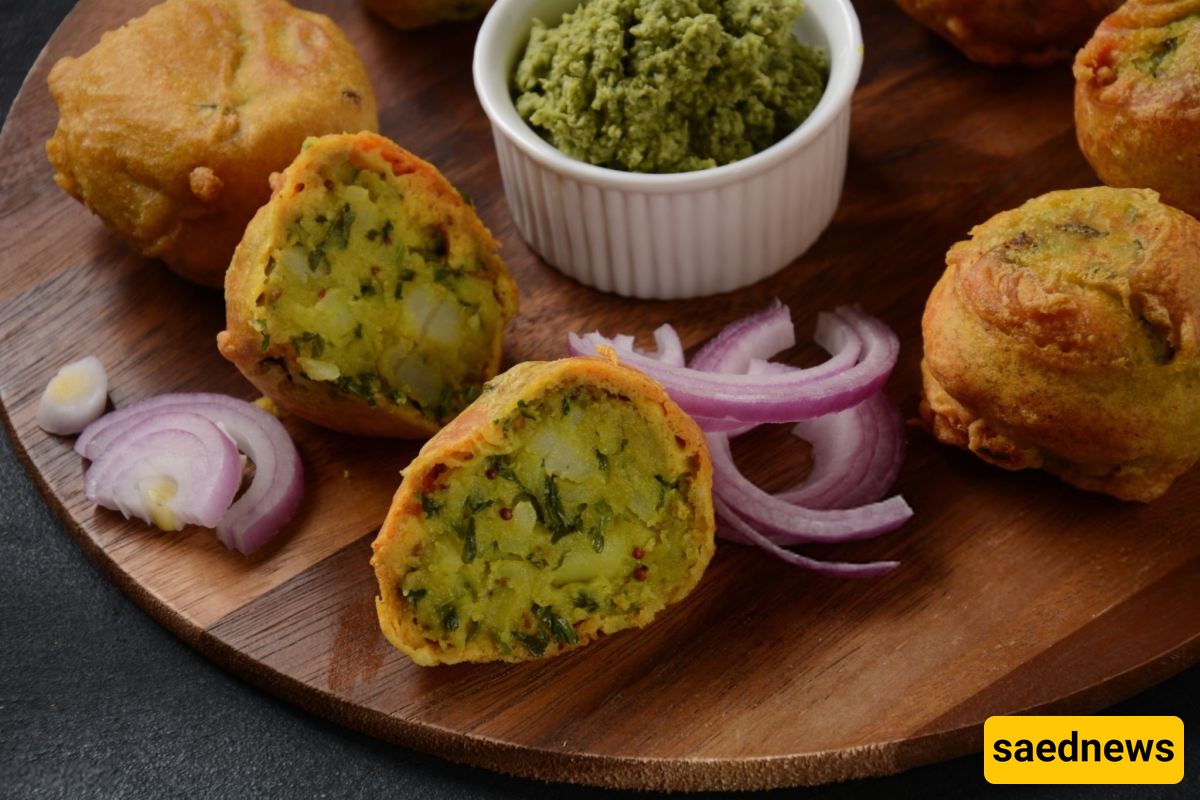
In this guide, we will walk you through the complete process of making homemade Bombay, from preparing the dough to frying and serving.
First, gently warm the milk until it is lukewarm. Add the sugar and instant dry yeast, then let the mixture sit for approximately 10 minutes. The yeast should become active, with small bubbles forming on the surface.
This step is important because properly activated yeast helps the dough rise and develop a light, fluffy texture.
In a large mixing bowl, combine the all-purpose flour and salt. Add the eggs and vegetable oil, followed by the milk and yeast mixture.
Gradually incorporate the liquid ingredients while mixing with a spoon or your hands. Knead until the dough becomes soft, smooth, and elastic without sticking excessively to your hands.
If necessary, add a little more flour. However, avoid adding too much, as this can make the dough dense and tough.
Shape the dough into a ball and place it in a lightly greased bowl. Cover the bowl with a clean kitchen towel or plastic wrap.
Leave it in a warm, draft-free place for approximately 1–2 hours, or until it has doubled in size.
Once risen, the dough is ready to be shaped.
Finely chop the sausage or deli meat and combine it with the cream cheese, shredded mozzarella, dried thyme, salt, and black pepper.
Mix until the ingredients are evenly distributed. The filling should be thick and well combined rather than runny or loose, as excess moisture may cause it to leak out during shaping or frying.
If the mixture seems too soft, refrigerate it for a few minutes to help it firm up.
Transfer the risen dough to a lightly floured surface and knead it briefly to release excess air.
Divide the dough into small, evenly sized portions. Shape each portion into a ball and let them rest for about 10 minutes to make rolling and shaping easier.
Using a rolling pin, flatten each dough ball into a circle or oval. Place a portion of the filling on one side of the dough, then fold the other side over it.
Press the edges firmly together using your fingers or a fork to seal the pastry completely. This prevents the filling from escaping into the hot oil.
Finally, gently flatten each pastry with your hands to ensure an even thickness.
Place the flaky breadcrumbs in a shallow bowl.
Carefully roll each prepared pastry in the breadcrumbs until its surface is completely coated. This coating creates a crispy exterior and helps protect the filling during frying.
For better adhesion, lightly moisten the surface of the dough or brush it with beaten egg before coating it with breadcrumbs.

Pour enough vegetable oil into a deep frying pan or saucepan and heat over medium heat until it reaches the appropriate temperature.
The ideal frying temperature is approximately 170–180°C (340–355°F).
If the oil is too cool, the pastries will absorb excess oil and become greasy and heavy. If it is too hot, the outside will brown too quickly while the inside remains undercooked.
Carefully place the Bombay pastries into the hot oil and fry each side for approximately 2–3 minutes, or until golden brown and crispy.
Avoid overcrowding the pan, as adding too many pastries at once can lower the oil temperature and affect the final texture.
Once cooked, transfer the pastries to a plate lined with paper towels to absorb excess oil.
Bombay can be served as a warm snack, an afternoon treat, or even as part of a main meal.
It pairs well with a variety of dipping sauces, including:
Ketchup
Mayonnaise
Mustard sauce
Balsamic vinegar dressing
Spicy dipping sauce
You can also serve it alongside a fresh green salad, French fries, or a chilled beverage.
For a more attractive presentation, cut the Bombay pastries into triangles or rectangular pieces and arrange them on a serving platter. Garnish with fresh vegetables and your favorite dipping sauces.
For the best taste and texture, serve Bombay immediately after frying while the outside is still crispy and the cheese filling is warm and delicious.