SAEDNEWS: Jordan, officially known as the Hashemite Kingdom of Jordan, is one of the Arab kingdoms in the Middle East and West Asia, located to the east of the Jordan River. We are going to explore the culture of the people of Jordan. Stay with Saad News.
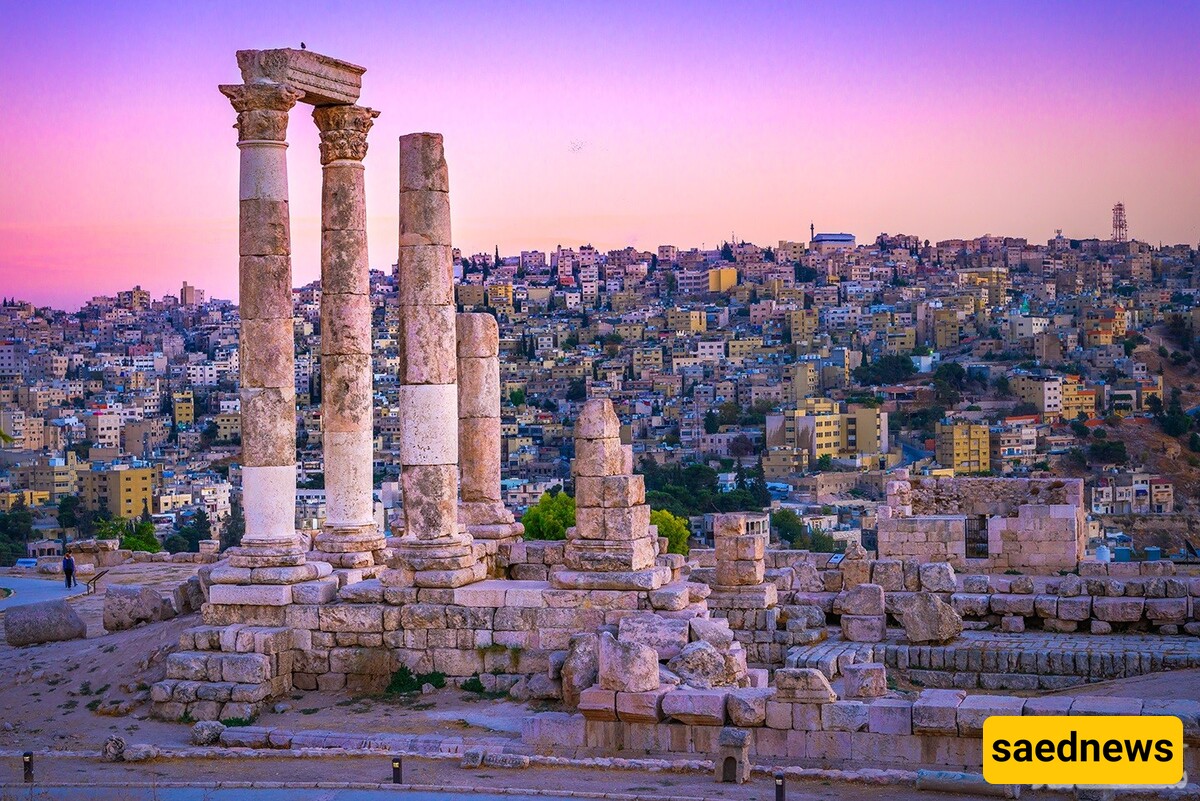
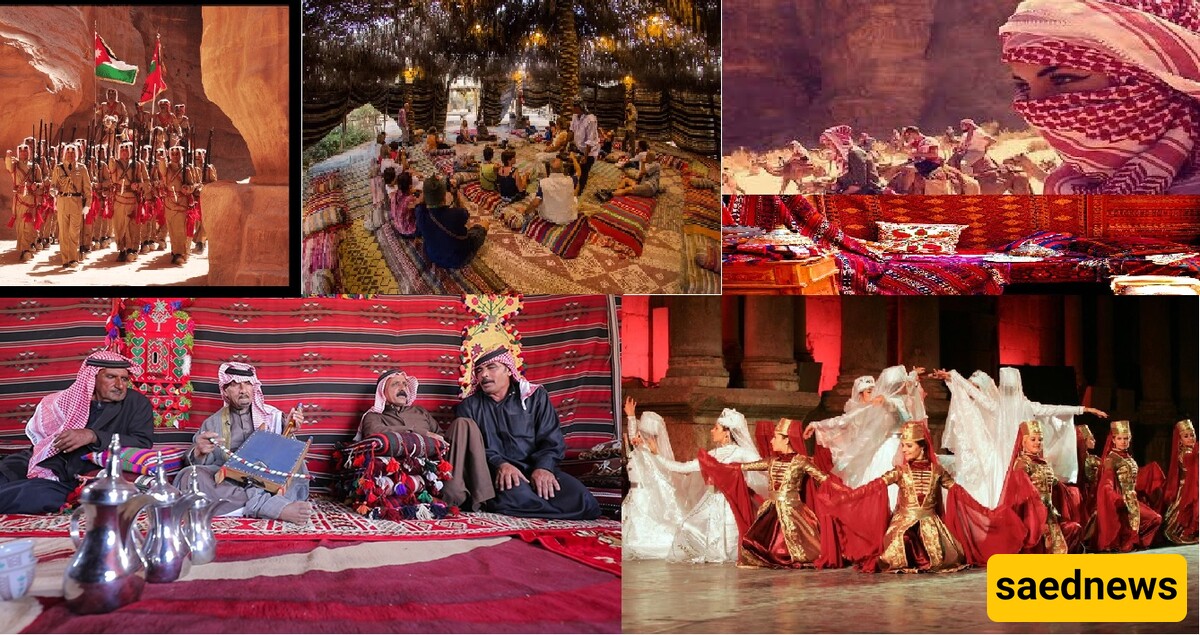
According to SAEDNEWS, Jordan is derived from the Jordan River, which flows through the country and holds special sanctity among the followers of Abrahamic religions. Jordanian culture is built on Arabic and Islamic elements with significant Western influences. Jordan stands at the crossroads of the three continents of the ancient world and has a diverse geography and culture. Notable aspects of this culture include Jordanian music, traditional clothing, and a strong interest in sports such as football, basketball, and other imported sports, mainly from Western Europe and the United States. Jordan is also important because it is one of the routes for the Hajj pilgrimage.
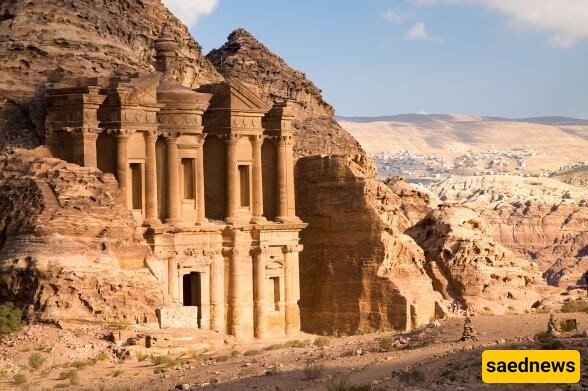
The present-day Jordan has been inhabited since the Paleolithic era. Three stable kingdoms arose at the end of the Bronze Age: Ammon, Moab, and Edom. Later rulers of Jordan included the Assyrian Empire, the Babylonian Empire, the Nabatean Kingdom, the Persian Empire, the Roman Empire, the Rashidun Caliphate, the Umayyad and Abbasid Caliphates, and the Ottoman Empire. After the Great Arab Revolt against the Ottomans in 1916 during World War I, the Ottoman Empire was divided by Britain and France. The Emirate of Transjordan was established in 1921 by the Hashemite dynasty, with Emir Abdullah I at its helm, under British mandate. In 1946, Jordan became an independent country, officially known as the Hashemite Kingdom of Transjordan, but it was renamed the Hashemite Kingdom of Jordan in 1949 after the annexation of the West Bank following the 1948 Arab-Israeli War. The region was captured by Israel during the Six-Day War, and in 1988, Jordan renounced its claims to the land. Jordan became the second Arab country to sign a peace treaty with Israel in 1994.
Respect for elders is highly valued in Jordanian culture, where even speaking to one's grandfather requires prior permission. The people have a high standard of living and generally do not approve of interfering in each other's personal lives. While dress codes are relatively free, there is still a degree of regulation. Jordan has seen significant advancement in technology, with the internet being an integral part of people's lives, and online businesses sometimes out-earning traditional jobs. The tech sector in Jordan is thriving, and programmers enjoy high salaries. The country has also made remarkable progress in healthcare, with a 63% increase in healthcare infrastructure and a 13% growth in insurance coverage. About 95% of the population are Sunni Muslims, with a Christian minority.
It’s important to note that using someone else’s personal belongings without permission in Jordan can lead to legal action. The people of Jordan take education very seriously, and violations in the education system are subject to heavy penalties. Child abuse is also punishable by law. Theft, even minor theft, carries severe consequences, and selling Jordanian dinars at low prices is considered a crime.

During Ramadan, streets in Jordan are adorned with decorations that signify the arrival of the holy month. These include star-shaped lights, lanterns, and other ornaments to decorate windows and streets. Over time, the variety of decorations has expanded, and special Ramadan foods like sweets, dates, and nougat are often decorated in shapes of stars and moons. Some stores and restaurants also focus on Ramadan-themed decorations, with streets illuminated by lights and lanterns.

Jordanian cuisine includes a wide range of traditional cooking techniques such as baking, frying, and grilling with vegetable seasonings (carrots, leaves, eggplants, etc.), as well as meat and poultry. Roasting and preparing dishes with special sauces are common practices. Olive oil, one of Jordan’s major exports, is the primary cooking oil used. Vegetables, garlic, onions, tomato sauce, and lemon are common flavors in Jordanian dishes. A popular spice mix called za'atar includes sumac, a local plant used in Jordanian and neighboring Mediterranean countries' cuisines.

More than 40% of Jordan's population lives in the capital, Amman, and much of Jordanian culture is concentrated there. European and American music, films, and fashion are popular, and Jordanian traditional music has a long history. Recently, Jordan has seen the emergence of several DJs and prominent stars in the music scene.