SAEDNEWS: Mexico’s Ancient Pyramids: History, Architecture, the Maya, the Aztecs, and the Pyramids of the Sun and Moon
According to Saednews, Long before Spanish ships appeared on the horizon of the Atlantic Ocean, various civilizations ruled over Mexico. Mexico is home to many remarkable remains that demonstrate the grandeur and glory of these ancient cultures and civilizations. Among the most impressive are the magnificent pyramids built to honor their celestial gods.
These pyramids were constructed according to extraordinary architectural principles that have long attracted and fascinated architects, artists, historians, and enthusiasts of ancient monuments around the world. Below, we introduce some of the most famous and beautiful pyramids in Mexico and explore the ancient beliefs and cultures that shaped their construction.
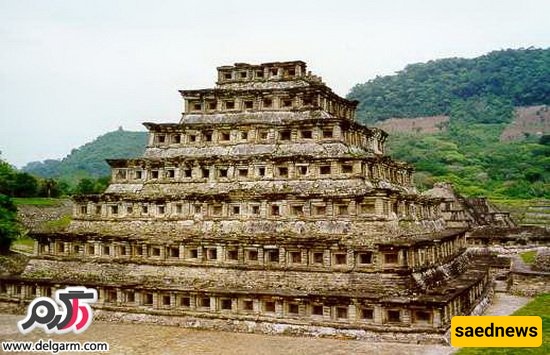
El Tajín
This pyramid was built during the Classic Veracruz period, between AD 600 and 900, in a coastal city. The most famous structure of this civilization is the Pyramid of the Niches. It was constructed with deep red coloring and dark arches, creating striking shadows within its numerous niches.
Calakmul
Deep in the dense forests of Yucatán, within the ancient Maya city and kingdom of Calakmul, the Great Pyramid was built. Calakmul was one of the most important and influential cities of its time. The pyramid was among the largest structures of its era and contains evidence of sophisticated architecture and elite construction.
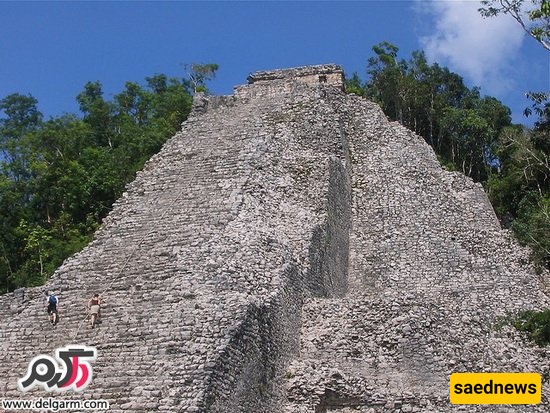
Surrounded by dense jungle and abundant wildlife, the Great Pyramid offers a spectacular and dramatic view of the ancient city and its natural surroundings.
Cobá
Nohoch Mul is the tallest and most significant pyramid in the Cobá region. Sixteen raised roads once connected this pyramid to other structures throughout the area. The Maya believed that these networks played an important role in protecting and connecting their large population, which is estimated to have reached around 50,000 people.
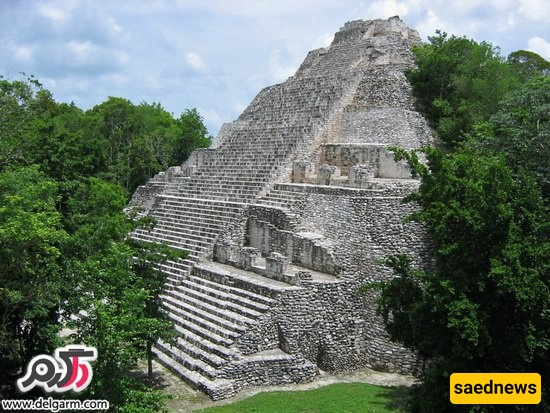
The name Nohoch Mul means “Great Hill.” After climbing its 120 steps, visitors can enjoy a breathtaking view of the surrounding landscape.
Uxmal
The word Uxmal is commonly associated with the idea of “thrice-built,” reflecting the repeated construction and architectural development that took place at the site. The city eventually declined and was abandoned, leaving behind a remarkable collection of architectural styles.
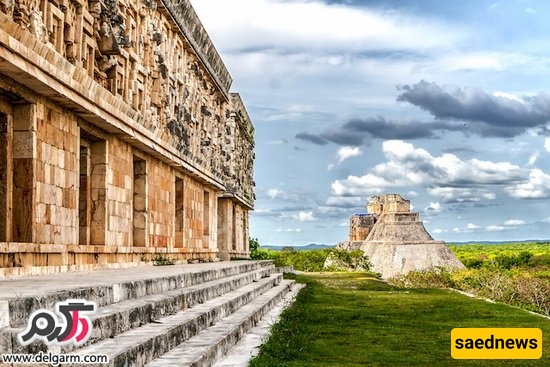
The Pyramid of the Magician is also considered an important monument reflecting the Maya's advanced knowledge of astronomy and their relationship with celestial observations.
Teotihuacan
Teotihuacan, known as the City of the Gods, was one of the largest cities in ancient Mesoamerica. The name was given to the site by the Aztecs centuries after the city had already been abandoned.
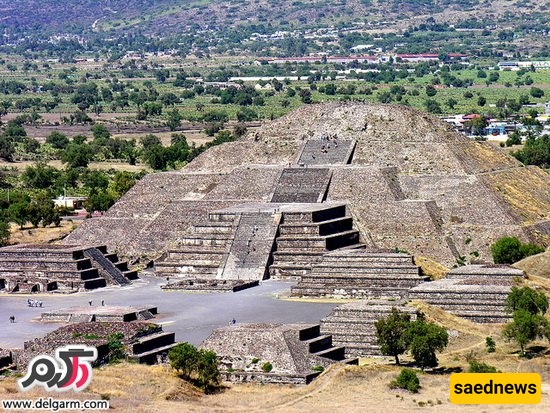
The Pyramid of the Moon is the second-largest pyramid at Teotihuacan and was associated with important religious ceremonies and sacred traditions. It was constructed and expanded over several stages, approximately between AD 200 and 450. Its architecture consists of successive platforms and pyramid structures built upon one another.
Teotihuacan
The Pyramid of the Sun is also located in the ancient city of Teotihuacan. Like the Pyramid of the Moon, its design is closely associated with the mountains and natural landscape surrounding the city.
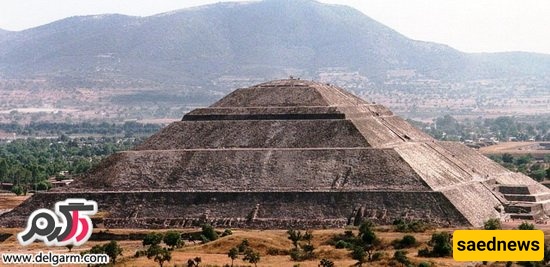
It is the tallest structure at Teotihuacan and is believed by archaeologists to have played an important role in ancient religious and ceremonial practices.
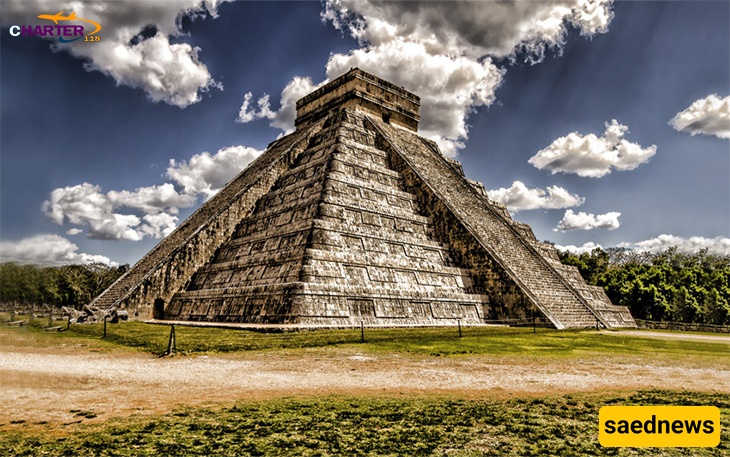
Chichen Itza
This magnificent stepped pyramid was dedicated to Kukulkan, the Maya feathered serpent deity. Its precise and remarkable architecture demonstrates the Maya's sophisticated understanding of astronomy.
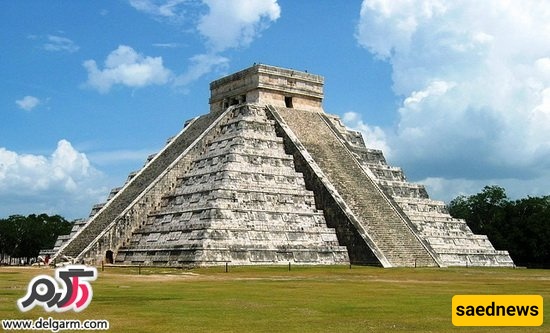
During the spring and autumn equinoxes, the angle of sunlight creates a distinctive shadow along the pyramid's staircase, producing an effect that resembles a serpent descending toward the base of the monument.
From the mysterious ruins of Teotihuacan and the Maya monuments of Chichen Itza to the spectacular pyramids hidden within the jungles of Yucatán, Mexico's ancient pyramids provide a fascinating glimpse into the beliefs, architecture, astronomy, and cultures of Mesoamerica.