SAEDNEWS: This article aims to take a closer look at the natural fats found in vegetables and explain how healthy and reliable these fats are.
According to Saednews, When it comes to a healthy diet, vegetables are almost always at the top of the list of recommendations. Most people think vegetables are only a source of vitamins, minerals, and fiber, and that they contain no fat at all. This assumption is partly true, but the reality is a bit more complex. Many vegetables contain very small amounts of fat, and in some cases, they even contain certain types of fats that are beneficial for the body.
In recent years, with growing attention to healthy eating, the topic of fats in foods has received more focus. Some people believe that any food containing fat—even in very small amounts—is harmful. Others, on the contrary, think that vegetables play no role in providing essential fats for the body.
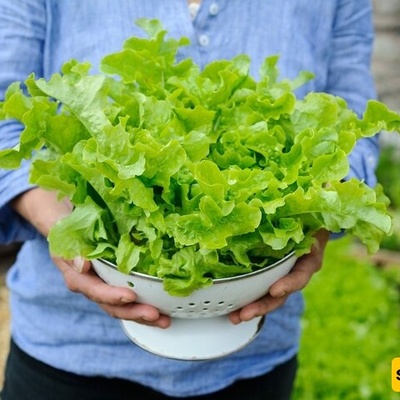
Yes, most vegetables contain a very small amount of fat; however, this amount is so minimal that it is practically not considered dietary fat in daily nutrition. If you look at the nutritional tables of various vegetables, you will usually find less than 1 gram of fat per 100 grams. In some vegetables like spinach or lettuce, the fat content can even be close to zero.
An interesting point is that the fat found in vegetables is a natural part of the plant’s structure. Plants need small amounts of fat for growth, energy production, and maintaining their tissues, and this small amount remains in the final product. That is why vegetables never contain trans fats or unhealthy fats commonly found in processed foods.
As a result, for individuals concerned about fat intake—such as those on low-fat diets or those who need to reduce fat for medical reasons—vegetable consumption is not only safe but beneficial. The small amount of natural fat in vegetables, combined with high fiber content, helps increase satiety and control appetite.
The fat found in vegetables is usually unsaturated fat—the type considered the healthiest. These fats help improve the function of the heart, brain, and nervous system, and assist the body in absorbing fat-soluble vitamins such as A, D, E, and K.
In plants, these unsaturated fats are part of cell structures and metabolic processes. Therefore, in terms of composition, quality, and quantity, they are not comparable to the fats found in nuts, seeds, or oils. Since the amount of fat in vegetables is extremely low, they cannot be considered a fat source; however, even this small amount is not harmful and may play a minor beneficial role in the diet. So if you think you need to avoid vegetables because of fat content while dieting, there is no need to worry—the fats in vegetables are natural and easily handled by the body.
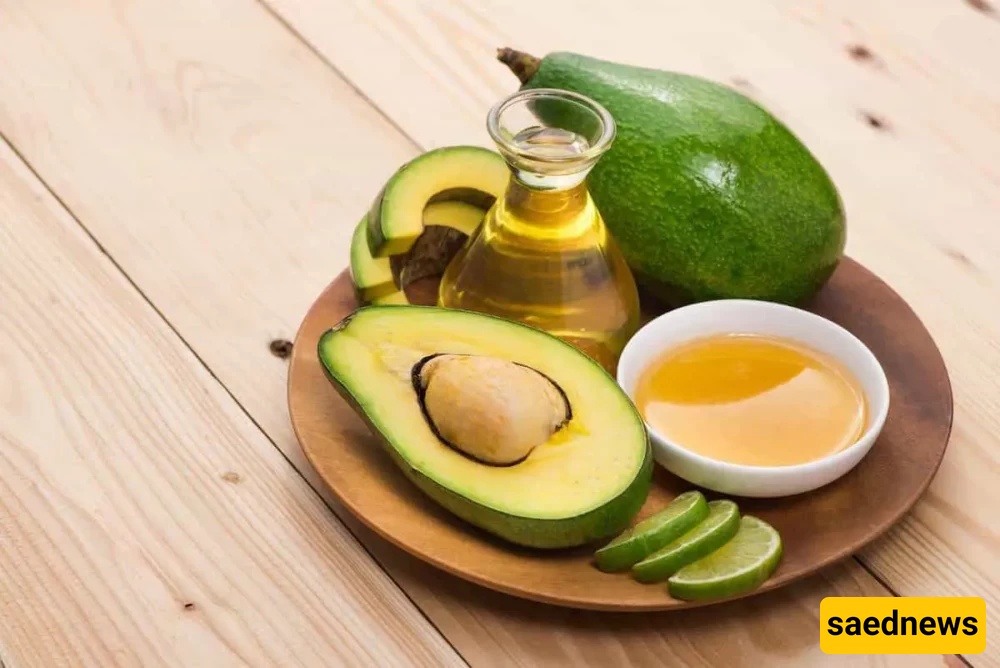
Although most vegetables contain very little fat, a few have relatively higher amounts, and this fat is still generally healthy.
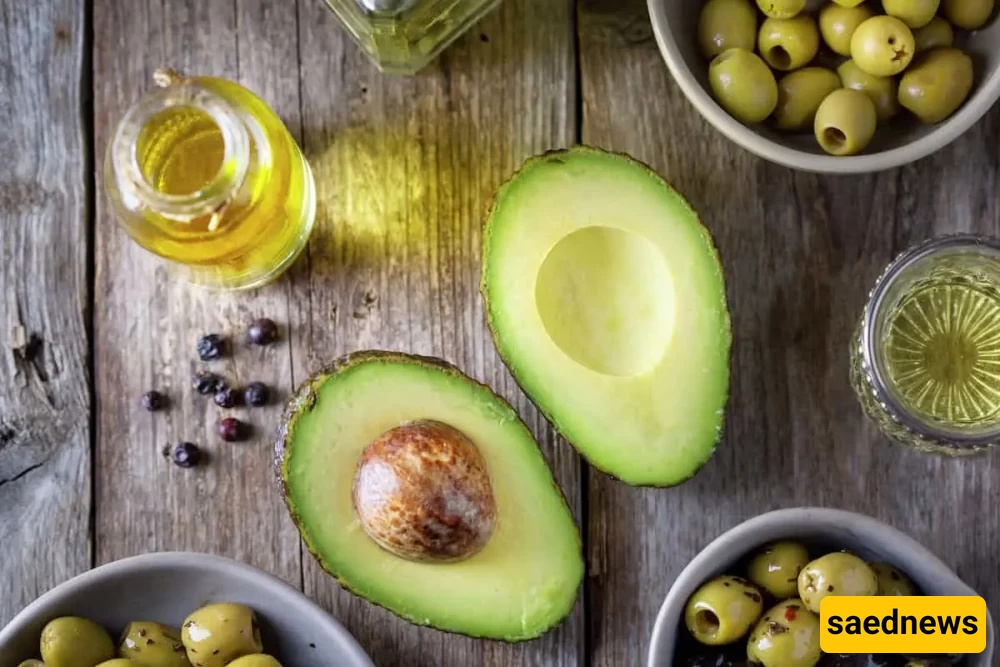
The clearest example is avocado. Avocado is actually a high-fat fruit, and its fat content is much higher than that of typical vegetables. However, its fats are heart-healthy and widely supported by research.
Another example is olives, which are also high-fat fruits compared to common vegetables.
Among regular vegetables, some sprouted seeds, okra, sweet corn, and peas contain slightly more fat than others, but the amount is still too low for them to be considered fat sources.
In general, there are no truly “fat vegetables” in the common sense—only a few exceptions like avocado and olives that naturally have higher fat content.
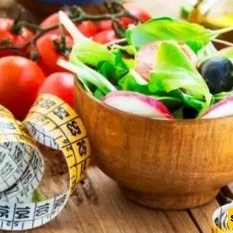
Many people fear fats when trying to lose weight. This fear mainly comes from unhealthy fats in fried foods, processed snacks, or low-quality oils—not the natural fats in vegetables. The fat in common vegetables is so minimal that it does not contribute to weight gain. In fact, vegetables often help with weight loss due to their high fiber content, low calories, and ability to increase satiety.
When the body receives small amounts of healthy fat, its ability to absorb important vitamins improves. This helps regulate energy levels and reduces overeating caused by blood sugar fluctuations. Therefore, when vegetables are properly included in the diet, their natural fats not only cause no harm but are fully compatible with weight-loss diets.
Plant-based fats are significantly healthier than animal fats. The unsaturated fats in vegetables can help reduce inflammation and lower bad cholesterol (LDL). Since vegetables also contain antioxidants, vitamins, and minerals, they are among the best food choices for people with heart conditions or those aiming to prevent them.
Leafy greens such as spinach, cabbage, and lettuce, despite having very little fat, contribute greatly to heart health when consumed regularly. These vegetables help control weight and reduce inflammation, supporting overall health.
Although vegetables naturally contain very little fat, cooking methods can change their final fat content. For example, frying or sautéing vegetables in oil increases fat absorption and raises calorie content.
In contrast, steaming, boiling, or grilling with minimal oil keeps vegetables low in calories. Therefore, if your goal is to consume low-fat vegetables, cooking methods play a very important role.
Even sauces, spices, and seasonings can increase calorie intake. Creamy sauces and mayonnaise are clear examples. So if maintaining a healthy diet is your priority, it is better to use lighter seasonings.
Although vegetables are not a primary source of fat, they play an indirect role in supporting essential fat intake. The body needs essential fats for vital functions, but many of these fats must be absorbed alongside vitamins and other nutrients. This is where vegetables become important.
Vegetables, rich in vitamins, antioxidants, and minerals, create an ideal environment for better absorption of healthy fats from other foods. In fact, vegetables complement healthy fats and enhance their function when consumed with foods like fish, nuts, or avocado. For example, combining spinach with salmon or adding avocado to a salad improves nutrient absorption significantly.
Many people do not realize that the very small amount of fat in vegetables can indirectly benefit skin health. Although minimal, these fats help the absorption of fat-soluble vitamins such as A and E, contributing to skin softness and radiance.
Leafy greens, carrots, broccoli, and peas can help maintain skin moisture over time. In addition, the natural fats in vegetables, combined with their antioxidants, reduce skin inflammation and help prevent premature aging. That is why consuming vegetables alongside healthy fats like nuts or olive oil is one of the best dietary combinations for skin health.
The tiny amount of fat in vegetables, combined with high fiber content, helps improve digestion. Fats slow down the movement of food through the digestive system, allowing better nutrient absorption.
Since vegetables contain very little fat, they do not cause heaviness in the stomach, but this small amount—together with fiber—helps regulate bowel movements and prevent constipation.
For people following very low-fat diets, this small amount of natural fat can be especially beneficial, helping prevent deficiencies that may affect digestive function.