SAEDNEWS: Women who give birth to boys or girls! Is it true that the body’s condition and pre-pregnancy care can play a role in determining the sex of a baby? Which women’s bodies have a higher chance of conceiving a male fetus, and which are more likely to conceive a female one?

According to Saednews, Food plays a significant role in determining the sex of the fetus, to the extent that specialists in both modern and traditional medicine offer many dietary recommendations for having a boy or a girl. There are different opinions regarding how to conceive a male child, but one common point is the importance of a complete and balanced diet for women who are more likely to conceive boys. This section discusses it further.
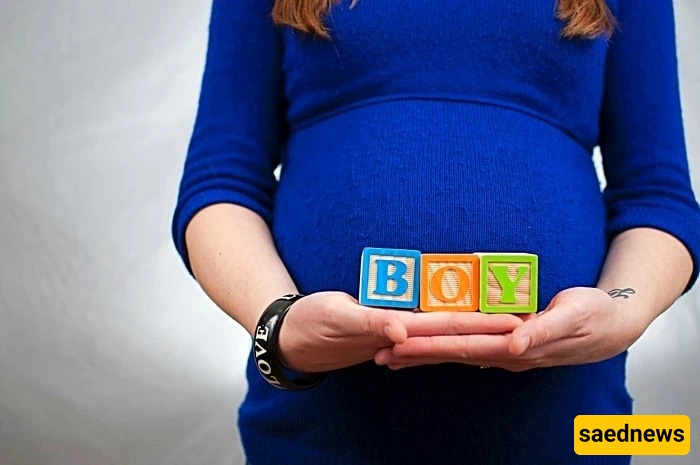
Traditional medicine specialists have concluded that determining the sex of the fetus depends on the type of fertilization and the combination of the female X gamete with either the male X or Y gamete, resulting in XX (girl) or XY (boy). They also believe that certain conditions can influence the type of fertilization.
One important factor in this regard is the mother’s diet. Women who have a more complete and balanced diet are believed to have a higher chance of conceiving a boy.
According to studies cited in this field, the role of nutrition in determining the baby’s gender is claimed to be 75–80%. Women who are planning to become pregnant are advised to begin a specific diet about two months before conception. This diet is believed to change the ionic environment of the uterus and influence the membrane conditions in a way that may affect sperm selection.

Based on traditional beliefs, consuming certain foods such as lettuce, strawberries, dates, cardamom, saffron, and others is associated with increasing the likelihood of having a boy. In contrast, consuming sour yogurt and eggs is associated with having a girl.
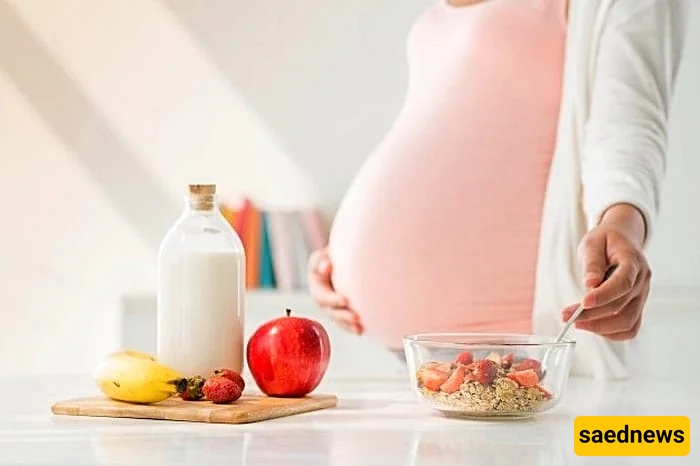
Nutrition is considered influential because foods are believed to directly affect the pH level of the uterus. Foods rich in calcium and magnesium are thought to lower uterine pH and reduce the likelihood of having a boy.
Foods containing sodium and potassium are believed to increase uterine pH and thus increase the chance of conceiving a male baby. Dietary recommendations may vary depending on available foods in each country, but the overall goal is to adjust the balance between sodium, potassium, magnesium, and calcium ions.