SAEDNEWS: Kalanchoe is a drought-tolerant, low-maintenance houseplant that can thrive and bloom in your home for years with proper care. This guide covers its light requirements, soil, watering, temperature, fertilizing, pruning, and repotting.
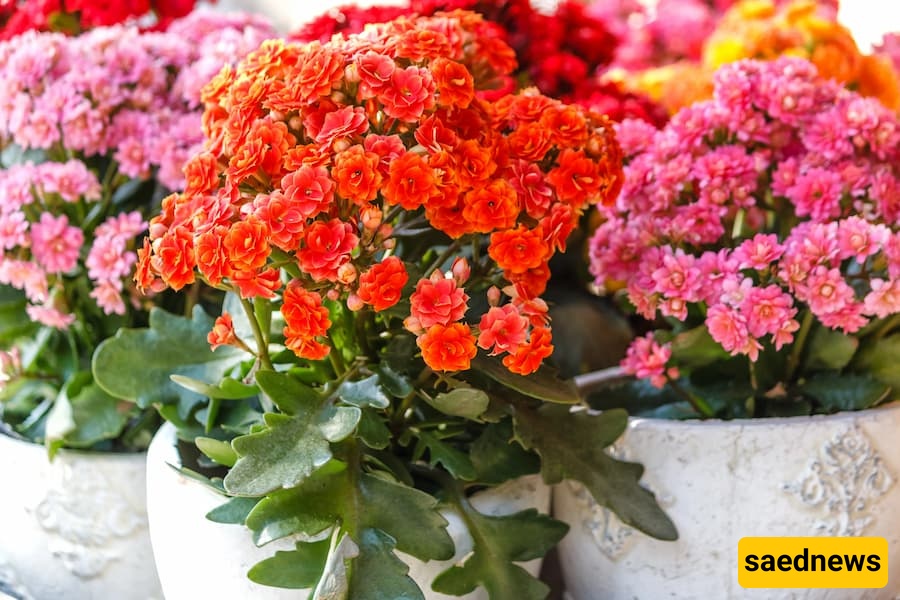
According to Saednews, Kalanchoe is a popular houseplant because it is drought-tolerant, easy to grow, and requires watering only every couple of weeks when kept in ideal lighting conditions. In tropical and subtropical climates, it can be grown outdoors as a perennial. In colder climates, it is usually cultivated as a houseplant. With proper care, kalanchoe can rebloom indoors for decades.
Caring for kalanchoe is relatively easy when you follow a few basic guidelines and provide the right growing conditions. Its main requirements include:
Plant kalanchoe in a loose, well-draining, loamy or sandy potting medium, such as a cactus or succulent soil mix.
Place indoor plants in a warm location with bright, indirect light. Outdoors, choose a sunny spot protected from the intense late-afternoon sun.
Allow the soil to dry out completely between waterings.
Feed indoor kalanchoe plants once a month during spring and summer.
Indoor kalanchoe plants need bright, indirect light. When growing them outdoors, choose a location that receives some shade, especially during the afternoon. A little afternoon shade helps prevent the leaves from scorching.
Long, thin, stretched-out stems are a sign that the plant is not receiving enough light.
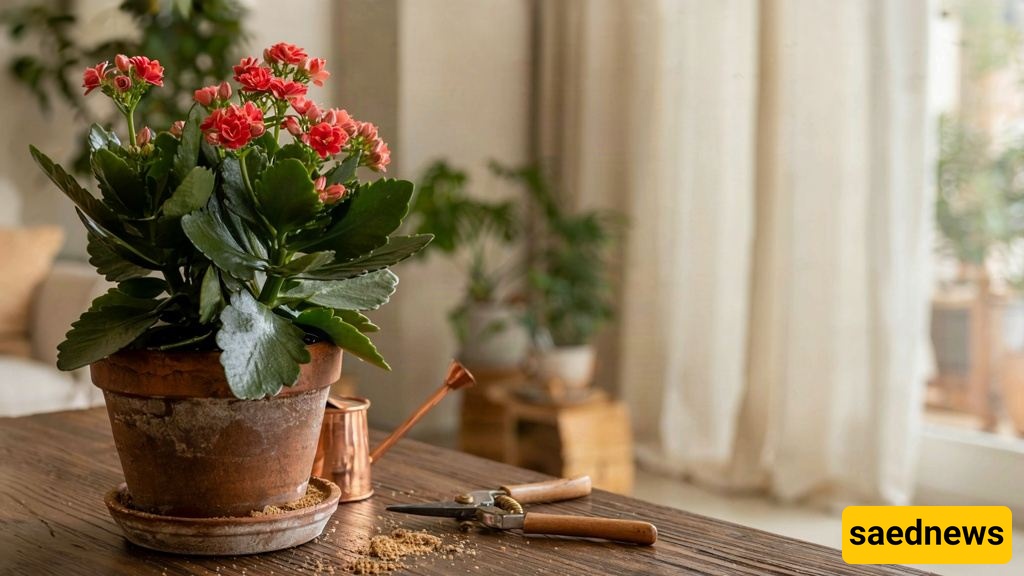
Outdoors, kalanchoe grows best in well-draining, loamy or sandy soil. Indoors, it should be planted in a porous potting mix that allows excess water to drain easily.
You can prepare a suitable mix using either of these combinations:
50% regular potting soil and 50% cactus mix.
60% regular potting soil and 40% perlite.
For better drainage and to help absorb excess moisture from the soil, plant kalanchoe in a terracotta pot with drainage holes.
This drought-tolerant plant thrives with minimal watering and generally needs a thorough soak only every few weeks, or even less frequently during winter.
To prevent root rot, allow the soil to dry out completely between waterings. Avoid keeping the soil continuously moist, as excessive moisture can damage the roots.
Kalanchoe generally grows well at temperatures between 13°C and 26°C (55°F and 79°F).
Apart from protecting the plant from freezing temperatures, little additional effort is needed to maintain suitable indoor conditions. Kalanchoe is also relatively tolerant of typical household humidity levels.
If growing kalanchoe outdoors, remember that it does not tolerate temperatures below approximately 13°C (55°F) particularly well. Protect it from cold conditions to maintain healthy growth.
Like many flowering houseplants, kalanchoe benefits from fertilizer, although it does not require heavy feeding.
Outdoor plants: Apply a light dose of fertilizer once in spring.
Indoor plants: Feed monthly during spring and summer with a balanced fertilizer.
Winter care: Stop fertilizing during the winter months.
If your kalanchoe produces few flowers, consider using a fertilizer with a higher phosphorus content to support blooming.
Pruning helps maintain the plant's shape and encourages more abundant flowering.
Remove wilted or faded flowers regularly to keep the plant tidy and encourage new growth. Pruning is particularly useful during the plant's dormant period in late winter and early spring.
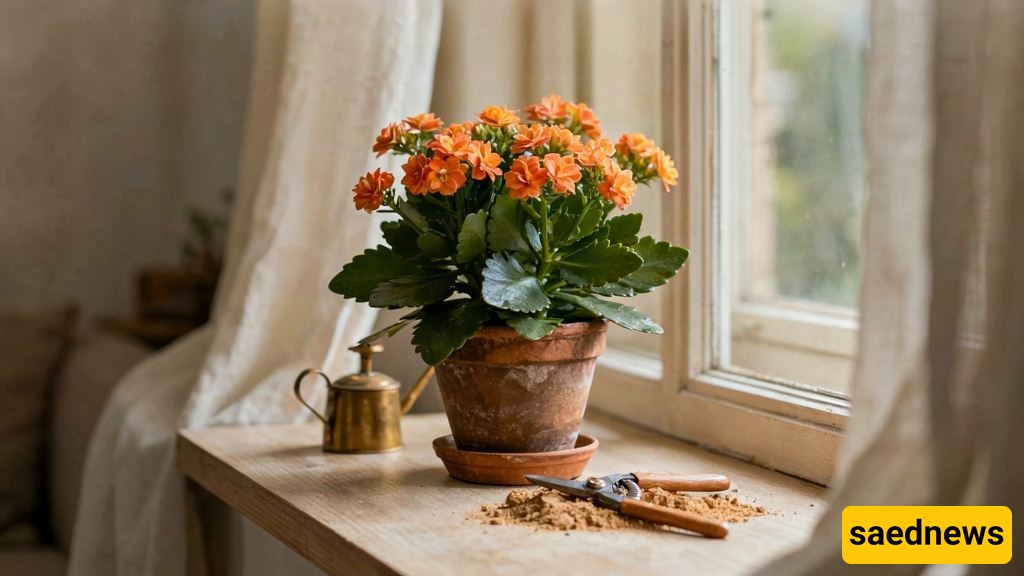
Unlike plants that prefer to remain root-bound, kalanchoe generally benefits from regular repotting.
For the best results, repot the plant annually in autumn, after flowering has finished. Choosing an appropriate pot and fresh soil can encourage new growth and help the plant become fuller and healthier.
Follow these repotting guidelines:
Choose a pot that is one size larger than the current container.
If the roots have not filled the existing pot, you can keep the plant in the same container and simply replace the top layer of soil with fresh potting mix.
Always use a pot with adequate drainage holes.
Consider using a terracotta pot, which can help manage excess moisture.
Keep in mind that the ideal repotting schedule varies depending on the type of houseplant and its growth rate.
Kalanchoe is an easy-care flowering succulent that can thrive for many years with the right balance of light, watering, temperature, and soil drainage. Avoid overwatering, provide sufficient light, fertilize during the growing season, and prune faded flowers to keep your plant healthy and encourage repeat blooming.