SAEDNEWS: Pizza topping cheese is one of the most essential and widely used ingredients in pizza and other fast-food products. Thanks to its excellent stretchability and good shelf life, it has become a popular choice among consumers.
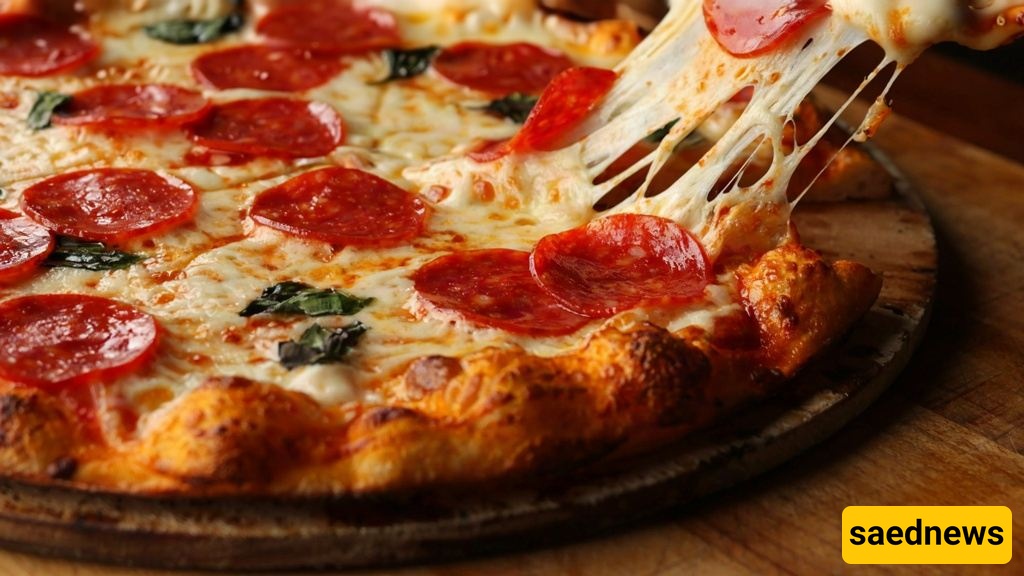
According to Saednews, Pizza topping cheese is a type of processed cheese product designed to cover the surface of pizza and give it an appealing appearance. It is typically made using ingredients such as milk, milk powder, casein protein, vegetable oils, salt, emulsifiers, and flavoring agents. The exact composition varies depending on the brand and manufacturing formula. One of its main characteristics is its ability to melt evenly during baking and produce long, stretchy cheese strands.
This type of cheese is widely used in the food industry because it is easy to handle, relatively affordable, and has a longer shelf life. Restaurants and fast-food businesses often need a product that delivers consistent quality in large quantities and performs reliably under different baking conditions. Pizza topping cheese meets these requirements, making it a common choice in many pizza establishments.
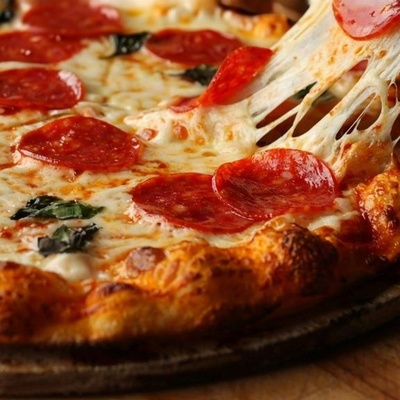
One of the main reasons pizza topping cheese is popular is its stretchability and ability to melt evenly. When a pizza slice is lifted or cut, the cheese forms long, stretchy strands that make the pizza look more appetizing. This feature is particularly important for restaurants because it enhances the customer's visual and sensory experience.
Pizza topping cheese generally has a longer shelf life than some fresh cheeses. This is an important advantage for businesses that handle large quantities of ingredients. Easier storage and reduced food waste can help lower operating costs.
In addition, pizza topping cheese is often more economical than expensive natural cheeses, making it a practical option for restaurants and food manufacturers that need to control costs without sacrificing consistency.

High temperatures and baking times significantly affect cheese quality during pizza preparation. Pizza topping cheese is formulated to resist excessive browning and produce an attractive golden color. This helps maintain the pizza's appearance and reduces the risk of unwanted dark spots or burning.
Its soft texture and ability to melt quickly allow pizza topping cheese to spread evenly across the pizza surface. This improves not only the appearance but also the distribution of flavor. As a result, each slice can have a more consistent cheese texture and taste.
Pizza topping cheese has a mild, creamy flavor that pairs well with a variety of ingredients, including vegetables, mushrooms, beef, chicken, sausages, and different sauces. Its versatility makes it suitable for various pizza styles and similar food products.
Mozzarella is one of the most widely recognized cheeses used in pizza making. It typically has a more natural texture, relatively high moisture content depending on the variety, and a distinctive milky flavor.
In contrast, pizza topping cheese is a processed cheese product formulated to achieve specific properties, such as enhanced stretchability, controlled melting, and a longer shelf life.
The main differences between these two products involve their ingredients, texture, flavor, price, and performance during baking.
Mozzarella often offers a more traditional cheese flavor, but some varieties can be more expensive and have a shorter shelf life. Pizza topping cheese is generally more cost-effective and better suited to large-scale food production.
However, the choice depends on customer expectations, pizza style, budget, and desired quality. Some restaurants combine mozzarella with pizza topping cheese to balance flavor, texture, melting performance, and cost.
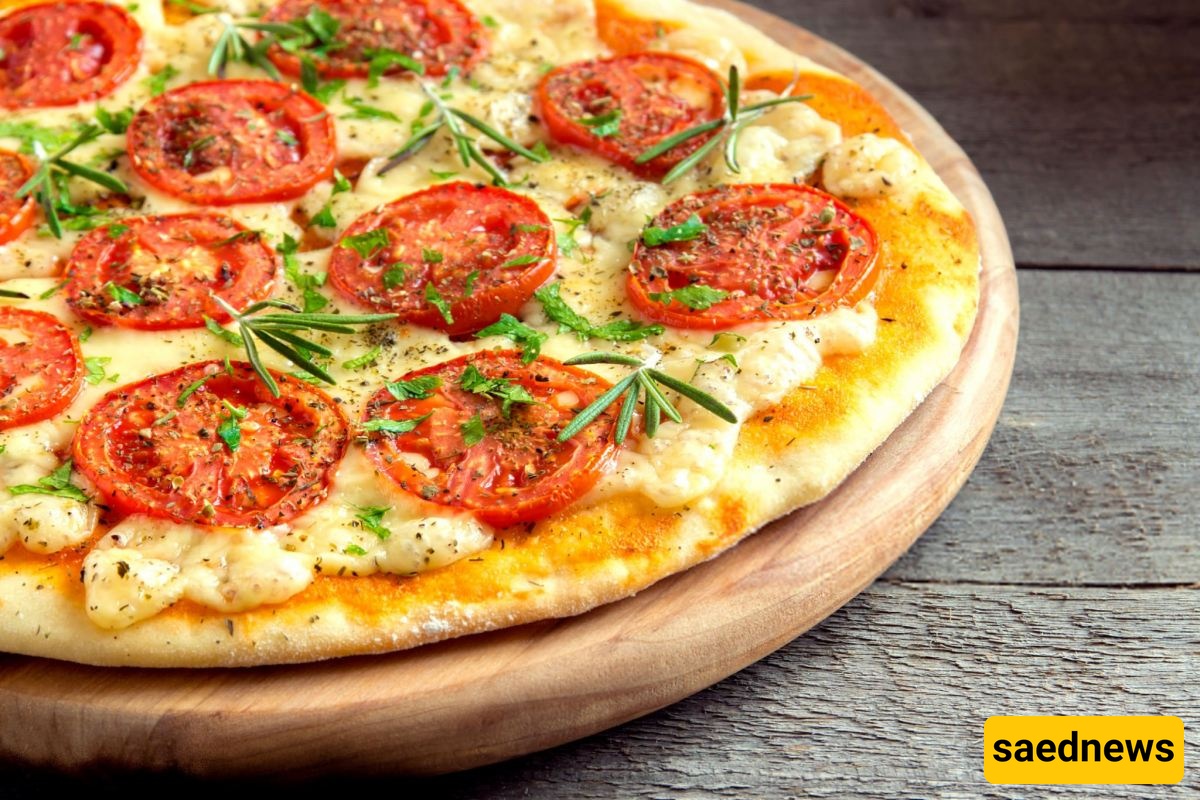
Although its name suggests that it is intended primarily for pizza, pizza topping cheese has many other applications. It is also used in lasagna, toasted sandwiches, cheese bread, baked snacks, and certain appetizers.
Its even melting properties and good stretchability make it suitable for foods that require a warm, melted cheese topping.
Pizza topping cheese can also be used in frozen food production, where it may help maintain an appealing appearance and texture after baking. However, fat content, salt levels, and cooking conditions should be carefully controlled to achieve a balanced final flavor.
Using too much topping cheese can make a product taste overly rich and increase its fat content.
Pizza topping cheese is a processed cheese product designed to provide consistent melting, good stretchability, an attractive appearance, and cost efficiency. Compared with mozzarella, it is often more affordable and practical for commercial kitchens and large-scale food production.
The most suitable option depends on the intended application, desired flavor, budget, and quality standards. Understanding the differences between pizza topping cheese and mozzarella can help restaurants, food manufacturers, and consumers make informed choices.