SAEDNEWS: Seitan is a high-protein, plant-based meat alternative made from wheat gluten, known for its chewy, meat-like texture.
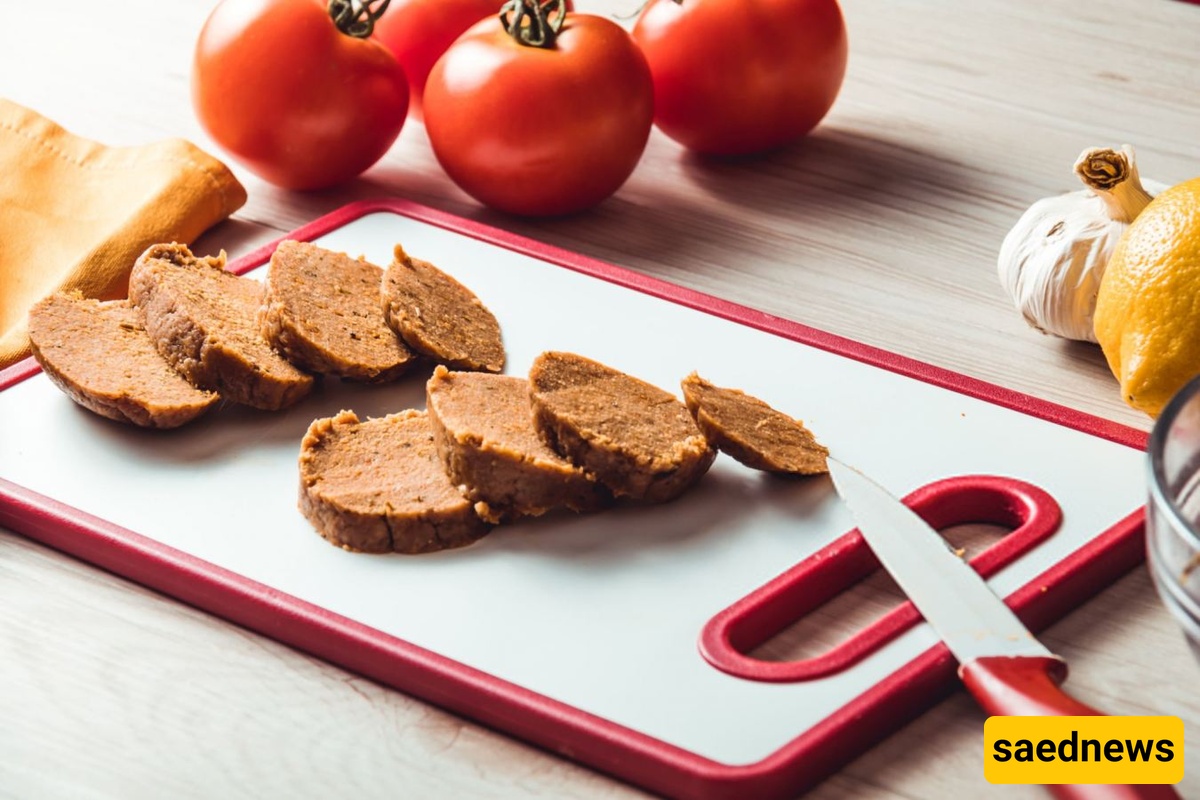
According to Saednews, Seitan is a plant-based meat alternative made from wheat gluten, the sticky protein responsible for the elasticity of wheat dough. When vital wheat gluten flour is combined with water and seasonings, it forms a firm dough that develops a meat-like texture when cooked in a flavorful broth.
Rich in plant-based protein, seitan is a popular choice for vegetarian and vegan diets. However, it is unsuitable for people with celiac disease or gluten sensitivity.
This recipe uses approximately six cups of vital wheat gluten flour and makes enough seitan for several meals.
6 cups vital wheat gluten flour
4 teaspoons onion powder
4 teaspoons garlic powder
3 teaspoons dried mint or basil
½ cup soy sauce
4 teaspoons sugar syrup or corn syrup
Water as needed
Mushrooms or your favorite vegetables, as desired
Place the vital wheat gluten flour in a large bowl. Add the garlic powder, onion powder, and dried mint or basil. Mix thoroughly with a spoon or your hands until the seasonings are evenly distributed throughout the flour.
This step helps ensure that the finished seitan has a consistent flavor.
In a separate container, combine water and soy sauce. A suggested starting ratio is approximately one part soy sauce to one part water, although you can adjust the amount to suit your taste.
Soy sauce adds savory flavor and helps give the dough a richer color. For a smoky taste, you can also add a few drops of liquid smoke.

Make a well in the center of the dry ingredients and gradually pour in the seasoned liquid. Mix by hand or with a dough mixer until a dough forms.
Knead for 5–10 minutes until the dough becomes firm, cohesive, and elastic. Try to eliminate large air pockets during kneading to help achieve a better texture after cooking.
Divide the dough into pieces according to how you plan to use it. You can shape it into small cubes, thin slices, or larger steak-like portions.
Keep in mind that the seitan may expand slightly during cooking, so avoid making the pieces excessively large.
Choose a large pot and add water. Stir in ½ cup of soy sauce, sugar syrup or corn syrup, and vegetables such as mushrooms and onions.
For additional flavor, you can also add aromatic ingredients such as garlic, ginger, or bay leaves.
The broth will season the seitan as it cooks, giving it a richer and more savory taste.
Gently place the shaped dough pieces into the simmering broth. Reduce the heat and cook over low heat for 45–60 minutes.
During cooking, the seitan absorbs the broth's flavors and develops a dense, chewy, meat-like texture. Turn the pieces occasionally to help them cook evenly.
Once cooked, remove the seitan from the broth. If desired, pan-fry it in a little oil until the outside becomes golden brown and crispy.
Knead properly: Kneading helps develop a firm, chewy texture. Excessive kneading, however, may make the seitan too tough.
Let the dough rest: After kneading, refrigerate the dough for 15–30 minutes if desired. This can help the seasonings distribute more evenly.
Maintain a gentle simmer: Cooking over low heat helps the seitan cook evenly and develop a better texture.
Experiment with seasonings: Customize the flavor by adding different spices and vegetables to the broth. Curry powder and saffron are two options.
Pan-fry before serving: For a crispier exterior and a golden finish, fry the cooked seitan in a little oil.
Store cooked seitan in an airtight container in the refrigerator for 3–4 days. For longer storage, freeze it in freezer-safe bags or containers for up to three months.
When ready to use, thaw the frozen seitan in the refrigerator and reheat it thoroughly before serving.
Making seitan at home is a practical way to prepare a protein-rich meat substitute using vital wheat gluten, simple seasonings, and a flavorful cooking broth. It can be sliced, cubed, pan-fried, or added to a variety of vegetarian and vegan dishes.