SAEDNEWS: Portugal, located in southwestern Europe on the Iberian Peninsula, is an ideal travel destination known for its rich maritime history, stunning natural landscapes, and remarkable historical attractions. This guide explores the country's top tourist attractions and essential travel tips.
According to Saednews, Portugal is a country in Western Europe, located on the Iberian Peninsula. It shares its eastern and northern borders with neighbouring Spain. Given its rich history of maritime exploration and the discovery of new lands, Portugal has also played a significant role in world history.
Portugal offers numerous historical and natural attractions, making it a destination that every traveller should experience at least once.
With its beautiful beaches, unique cities, affordable food and drinks, and fascinating cultural heritage, Portugal is an ideal destination for tourists.
Due to its geographical location, Portugal enjoys a Mediterranean climate, similar to that of Spain's coastal regions. The average annual temperature is approximately 15°C, although summer temperatures can reach 40°C. Portugal is considered one of the warmest countries in Europe.
During summer, the country enjoys hot and sunny weather. July and especially August, the main holiday season, can be extremely hot. These months are also the busiest time of year, with accommodation prices in coastal areas increasing significantly.
If you are planning a budget-friendly trip or prefer to avoid crowded tourist destinations, it is worth considering travelling outside the peak summer season.
Generally, accommodation in Portugal is relatively affordable compared with many other European countries. Staying in hostels can significantly reduce your travel expenses.
If you are travelling on a budget, you can consider joining Couchsurfing and connecting with Portuguese residents who may be willing to host you during your stay.
Hostels are another affordable option. However, unlike hotels, they may not always provide the same level of privacy, security and services.
On average, accommodation costs in Portugal are as follows:
Hostel dormitory beds: approximately €10 per night.
Private hostel rooms: approximately €40 per night.
Budget two-star hotels: starting from around €35 per night.
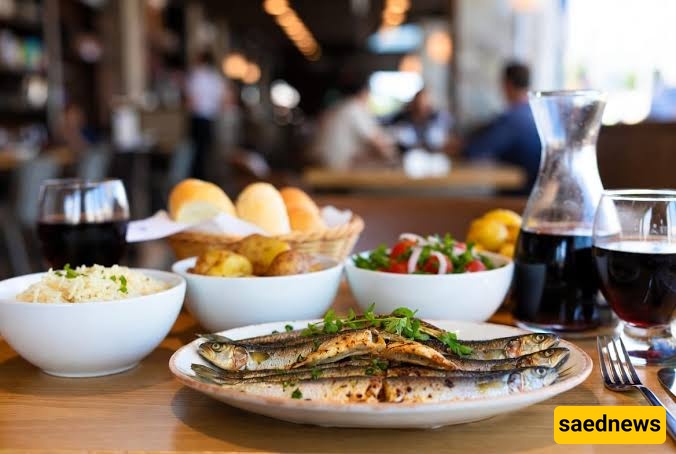
Thanks to Portugal's rich history and maritime exploration, the country has developed a diverse culinary culture. There is something to suit almost every taste.
Visitors can enjoy a wide variety of seafood, fish dishes, steaks and traditional Portuguese meals.
If you want to save money on food, consider shopping at local supermarkets and preparing your own meals. This can significantly reduce your daily food expenses.
According to the Numbeo website, the average food prices in Portugal include:
A meal at an inexpensive restaurant: €7.
A three-course meal for two at a mid-range restaurant: €30.
A McDonald's meal: €6.
A bottle of mineral water: €1.
A cup of coffee: €2.
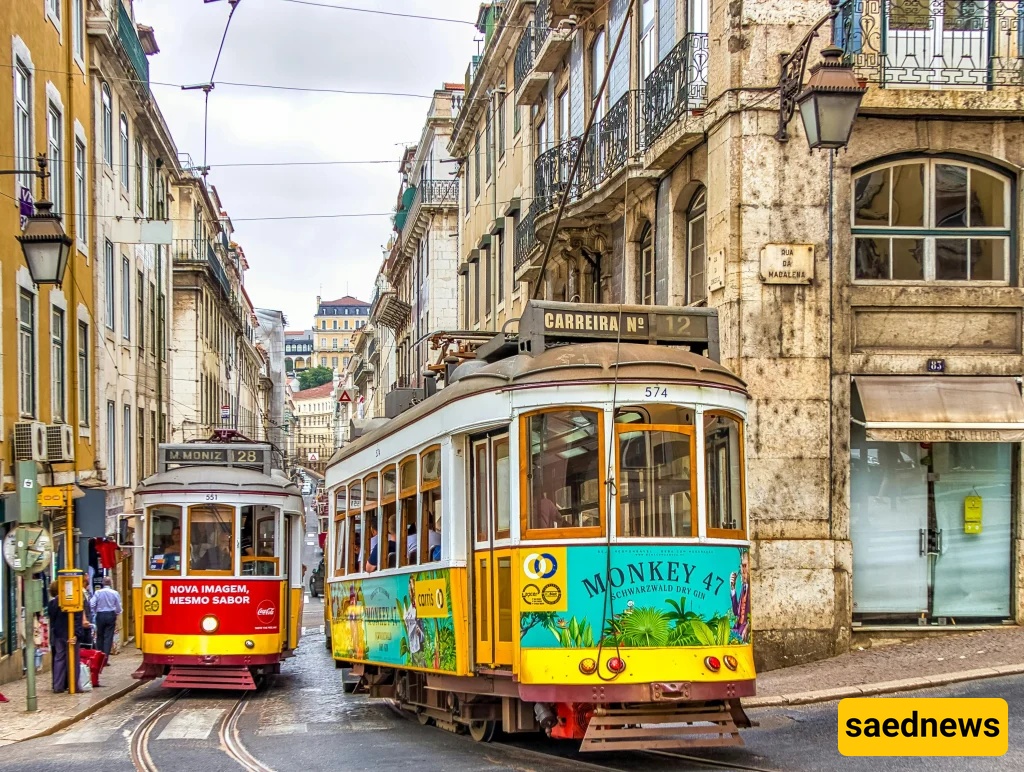
Lisbon's public transportation system includes trams, funiculars and urban trains.
Visitors can purchase a Viva Viagem card or a Lisbon Card to access public transportation and, depending on the card, several museums and tourist attractions. These cards are available with validity periods ranging from one to three days.
Prices generally range from €19 to €40.
Cycling is another way to explore the city. Bicycle rentals typically cost between €10 and €14.
The average transportation costs are as follows:
One-way public transportation ticket: €1.40–€1.85.
Monthly public transportation pass: €35–€42.50.
Taxi starting fare: €3.
Additional taxi fare per kilometre: €0.50.
Taxi waiting charge: approximately €15.
Entertainment and sightseeing in Portugal are generally affordable.
Admission fees to historical monuments and museums, including UNESCO-listed attractions, typically range from €6 to €11.
Visitors should note that many museums are closed on Mondays. Opening hours may also be shorter during the winter months.
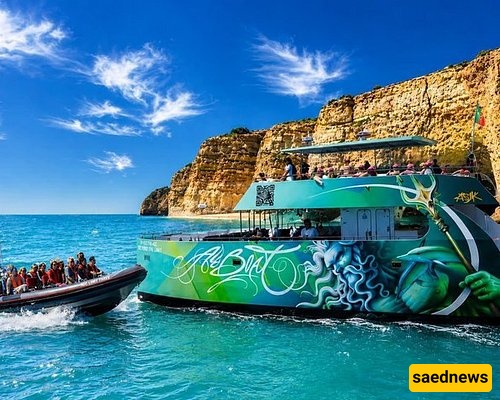
Portugal is home to remarkable historical landmarks, beautiful coastal destinations and impressive architectural attractions. Here are some of the country's most popular places to visit.
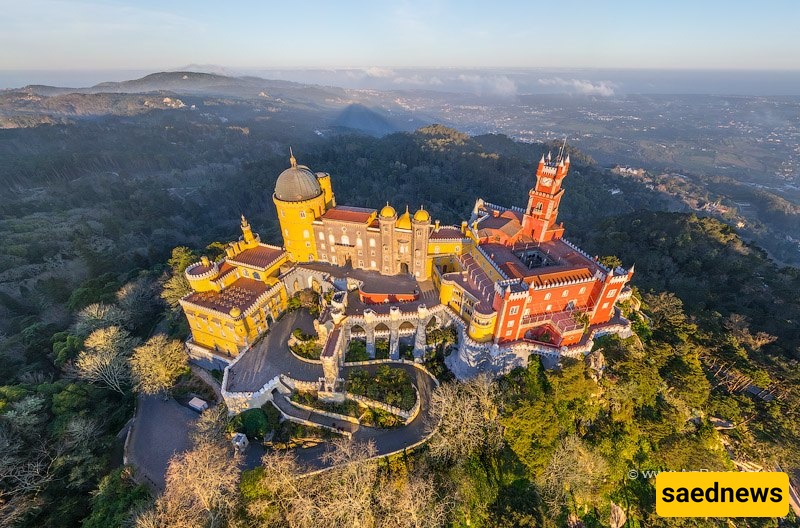
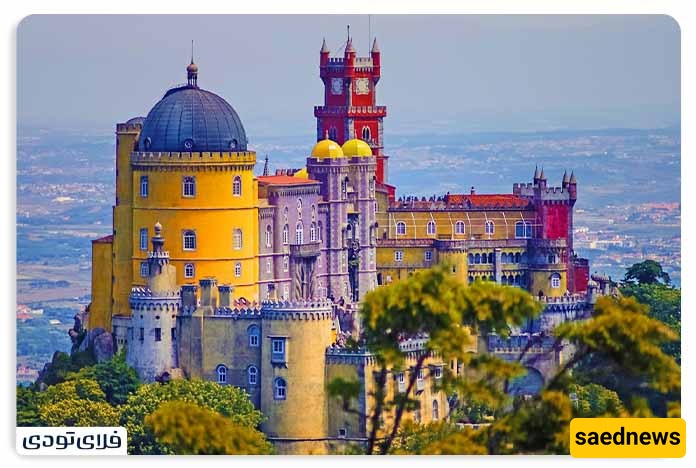
Pena National Palace looks like a fairytale castle, particularly on cloudy days when it appears to rise above the clouds.
Located on a hilltop in Sintra, the palace can be seen from Lisbon on clear days.
Commissioned by King Ferdinand II, it is one of the finest examples of 19th-century Romantic architecture, not only in Portugal but also internationally.
The palace combines Moorish and Manueline architectural styles. Its origins date back to a medieval chapel dedicated to Our Lady of Pena. Today, it is also used for official state occasions.
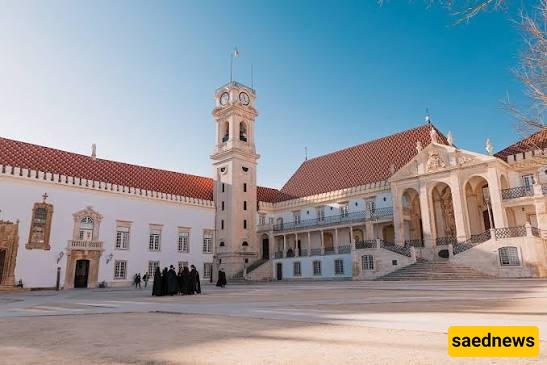
The University of Coimbra is one of Europe's oldest continuously operating universities. It was established in Portugal in 1290 and is also one of the country's largest universities, with approximately 20,000 students.
The university complex contains several remarkable historical buildings.
One of its most impressive attractions is the Joanina Library, an outstanding example of Baroque architecture built in the early 18th century during the reign of King John V.
Another important building is the Sala dos Capelos, the university's main ceremonial hall, where doctoral degrees are awarded.
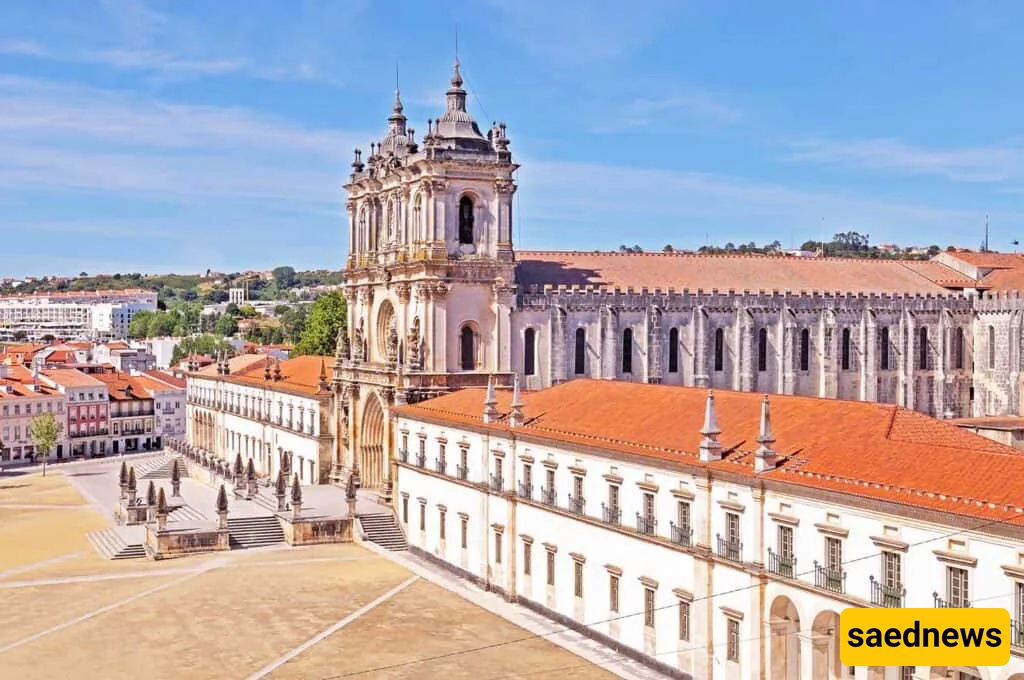
Alcobaça Monastery is a Roman Catholic monastery located in the town of Alcobaça in central Portugal.
It was founded in 1153 by Portugal's first king, Afonso Henriques, and maintained close connections with the Portuguese monarchy throughout its history.
Its church and monastery were among the first Gothic structures built in Portugal. Together with the Monastery of Santa Cruz in Coimbra, it is considered one of the country's most important medieval religious monuments.
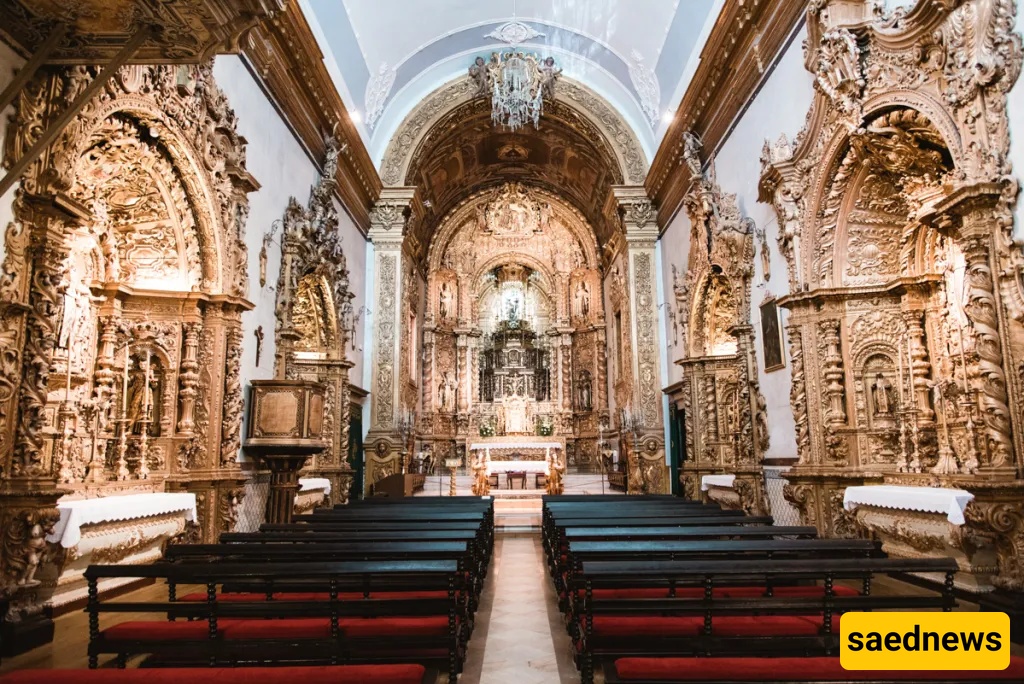
The Chapel of Bones looks as though it belongs in a horror film. However, its creation was actually a practical solution developed by 16th-century monks to address overcrowded cemeteries in Évora, Portugal.
The monks transferred human remains into a specially designed chapel, where bones were used to decorate the interior walls and ceiling.
The chapel forms part of the Church of St. Francis and is estimated to contain the remains of approximately 5,000 people.
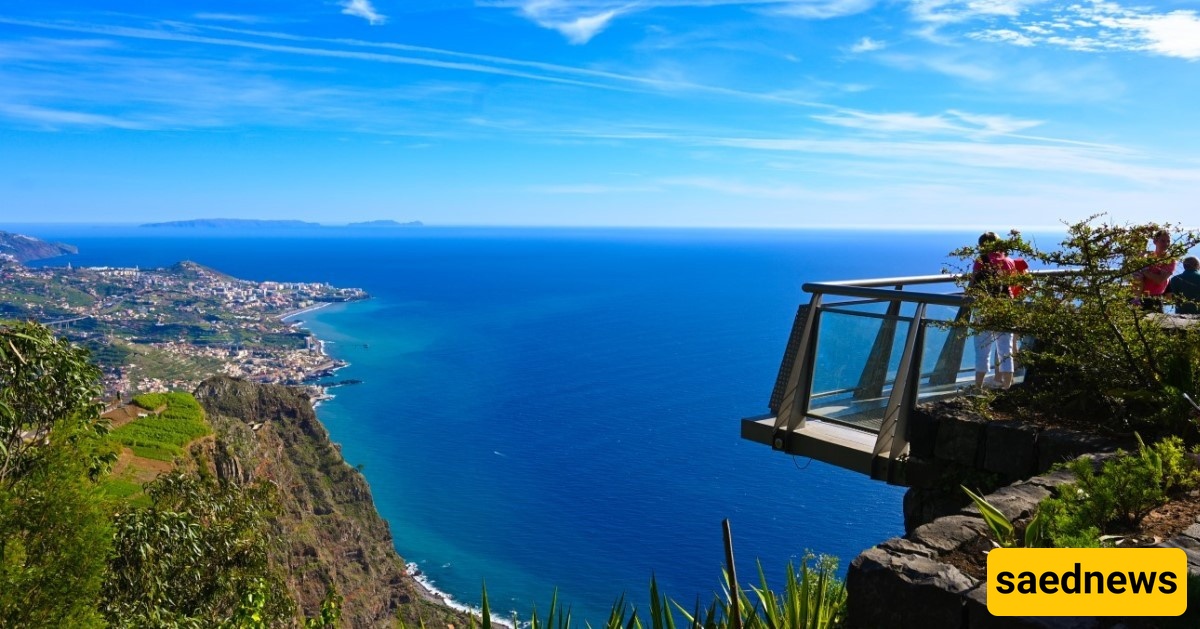
Cabo Girão is located on the southern coast of Madeira, a Portuguese archipelago in the Atlantic Ocean.
Standing approximately 570 metres above sea level, it is often described as one of Europe's highest sea cliffs, although several European cliffs are taller.
The breathtaking views from the cliff create an unforgettable experience, with the ocean seemingly stretching directly beneath visitors.
In 2012, a glass-floored viewing platform was installed, allowing visitors to enjoy spectacular views while experiencing an exciting sense of height.
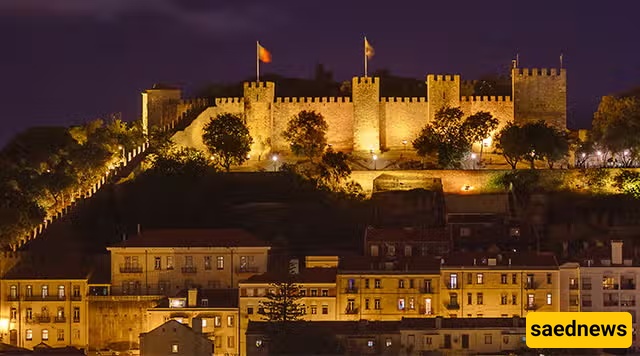
São Jorge Castle is one of Lisbon's most famous tourist attractions and can be seen from many parts of the city.
Its history dates back to Roman times, although the Moors rebuilt and strengthened its fortifications during the 10th century.
The castle was captured from Moorish control in 1147 during the Siege of Lisbon, part of the Second Crusade.
It subsequently served as a royal residence for King Afonso III.
Although the castle has been damaged and reconstructed several times throughout history, its walls and 18 towers remain. Visitors can explore the towers and enjoy panoramic views of Lisbon.
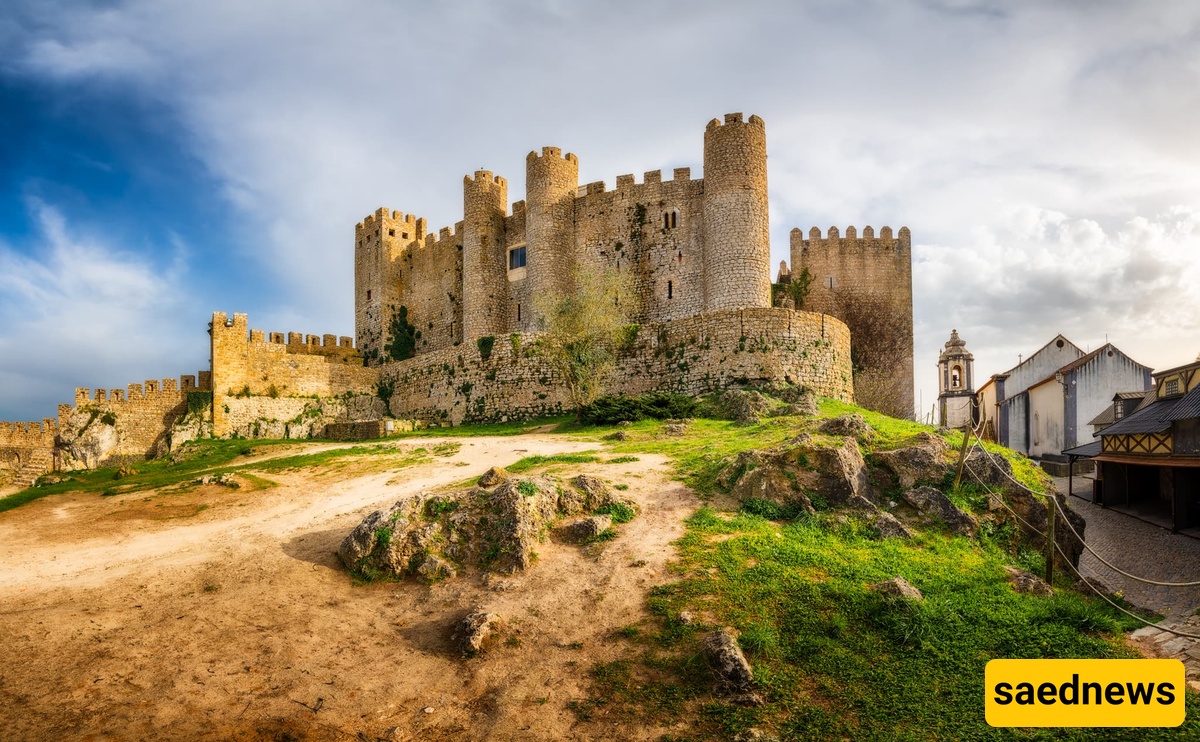
Óbidos Castle is an impressive medieval fortress situated on a hill overlooking the historic town of Óbidos.
The town dates back to Roman times and is located near Portugal's Atlantic coastline.
The Moors originally built the castle during the 8th century. It was later renovated in the 14th century, when additional defensive walls were constructed.
Today, the castle houses the luxury Pousada hotel. A traditional medieval market is also held there every July.
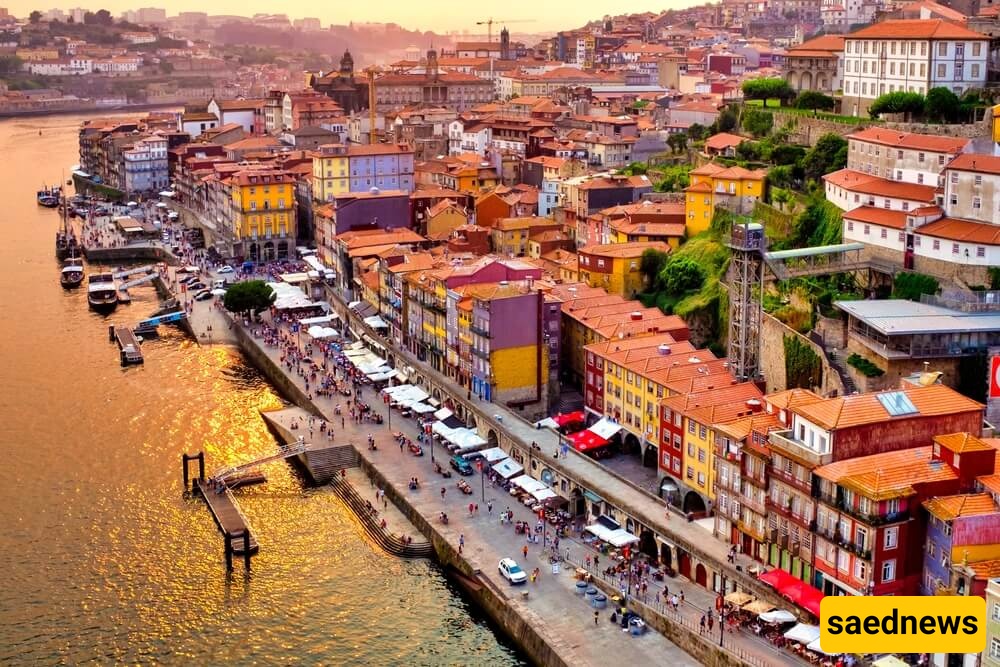
Cais da Ribeira is one of Porto's most beautiful and picturesque districts. It is often described as the soul of Porto.
The area features charming medieval streets leading towards a lively square beside the Douro River.
Historic buildings now house numerous bars, cafés and restaurants, making Ribeira one of the city's most popular places to eat, drink and relax.
The waterfront becomes particularly lively during celebrations, when residents gather to watch fireworks.
A bronze cube sculpture stands in the middle of the square. Nearby is the house traditionally associated with the birthplace of Prince Henry the Navigator in 1394.
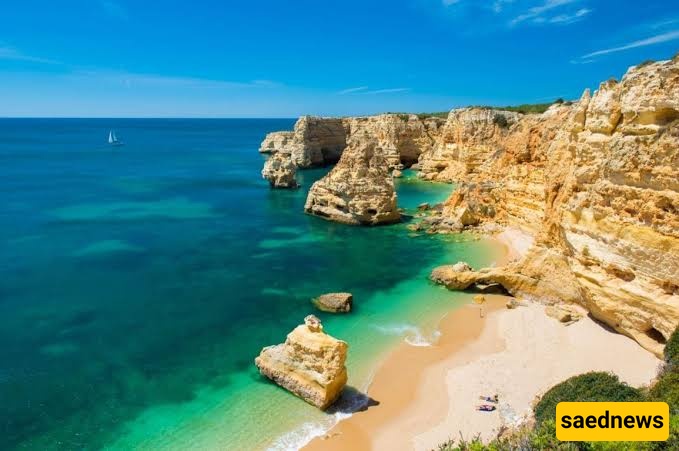
Praia da Marinha is widely regarded as one of Portugal's most beautiful beaches.
Located along the Atlantic coastline in the Algarve region, the beach is surrounded by crystal-clear blue waters, golden sand and impressive limestone cliffs.
Its stunning scenery has frequently appeared in travel magazines and promotional photographs.
The clear water makes it an excellent location for snorkelling and exploring marine life.
The beach is approximately 30 minutes from Albufeira, and free parking is available nearby.
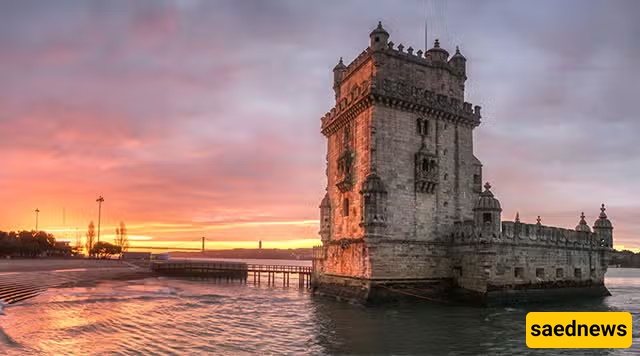
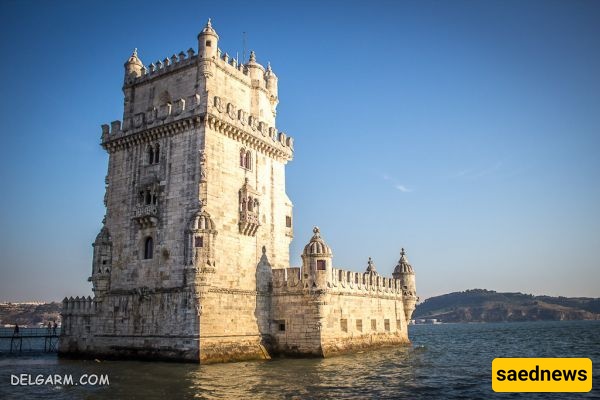
Belém Tower, also known as the Tower of St. Vincent, is one of Lisbon's most iconic historical landmarks.
It stands along the Tagus River in Portugal's capital, in an area that was once an island.
Dating back to 1515, the tower was constructed during the Age of Discovery to defend Lisbon against potential invaders and welcome friendly visitors arriving by sea.
This impressive four-storey limestone structure features a bastion designed to accommodate 17 cannons, providing a wide defensive range.
A statue of Our Lady of Safe Homecoming, intended to protect sailors during their voyages, is also located near the waterfront.
Here are some useful recommendations to help you enjoy your trip to Portugal while saving money and avoiding common travel problems:
Use public transportation: Avoid relying on taxis whenever possible. Public transportation is generally more economical and convenient.
Try traditional Portuguese food: Consider trying Francesinha, a famous Portuguese sandwich known for its rich flavour and relatively affordable price.
Connect with local residents: If you prefer travelling independently rather than joining organised tours, Couchsurfing can help you connect with local residents in Porto who may be willing to accompany you and show you around the city.
Follow local greeting customs: When meeting people, a handshake accompanied by direct eye contact is a common form of greeting. It is also customary to exchange greetings on special occasions and holidays.
Protect your belongings: As in any popular tourist destination, remain careful with your money, passport and other valuables, particularly in crowded shopping areas and entertainment venues.
Portugal is an excellent destination for travellers looking for a combination of history, culture, beautiful beaches, delicious cuisine and affordable experiences.
From the fairytale architecture of Pena National Palace to the historic streets of Porto, the dramatic cliffs of Madeira and the golden beaches of the Algarve, Portugal offers something for every type of traveller.
With proper planning, choosing the right travel season and making smart decisions about accommodation, food and transportation, you can enjoy an unforgettable Portuguese holiday without spending a fortune.