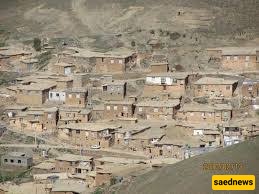
SAEDNEWS: Oskolabad Village is one of the tourist attractions in Iran’s Sistan and Baluchestan Province. This recreational destination offers visitors a chance to explore its unique charm and natural beauty. Read on to discover more about Oskolabad Village and its attractions.
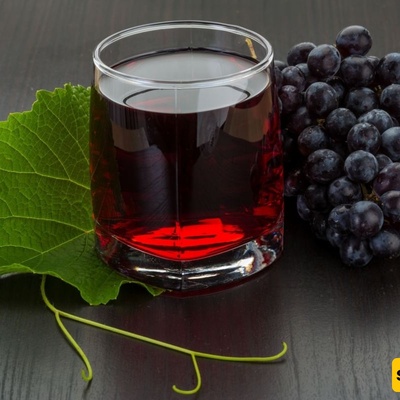
According to Saednews, In recent years, a variety of flavored beverages have entered the consumer market, one of the most popular being Delster. Delster is a non-alcoholic malt beverage available in several flavors, including lemon, orange, pomegranate, and grape. Among these, grape-flavored Delster has attracted considerable attention because of its distinctive color and taste. However, alongside its popularity, an important question has arisen among many religious consumers: Is drinking grape-flavored Delster permissible under Islamic law?
One of the most common mistakes among consumers is assuming that Delster, beer, and other malt beverages are the same. However, these drinks differ considerably in their production processes and religious rulings.
Malt beverages: These are made from barley extract, and alcoholic fermentation either does not occur during production or is completely halted. They are generally considered halal, provided they do not contain intoxicating substances.
Beer: This is an alcoholic beverage produced through the fermentation of barley. Because of its intoxicating properties, its consumption is prohibited in Islam.
Delster: This is a malt beverage in which a small amount of alcohol may be produced during manufacturing, but the alcohol is subsequently removed during later processing stages. Its religious status depends on factors such as the remaining alcohol content and other relevant Islamic legal considerations.
Therefore, these beverages cannot be assigned the same religious ruling merely because they look similar or have comparable names.
In Islamic jurisprudence, two important considerations in determining whether a beverage is prohibited are its intoxicating properties and fermentation. Any liquid that is inherently intoxicating, or that becomes intoxicating through fermentation or boiling, is considered prohibited. Conversely, liquids that possess neither of these characteristics are generally permissible to consume.
Accordingly, if grape-flavored Delster or another malt beverage is produced in such a way that it has no intoxicating properties and has not undergone a process that makes it intoxicating, consuming it is generally permissible. This general principle provides the basis for addressing the religious question discussed in this article.
Based on the explanation provided, the answer to the question, “Is drinking grape-flavored Delster prohibited under Islamic law?” can be summarized as follows:
If the grape beverage has not been boiled, there is no objection to consuming it. If it is boiled until two-thirds of its volume evaporates and one-third remains, it is considered halal.
Note: Islamic rulings on grape-based beverages may vary according to the religious authority followed and the beverage's production process. For a definitive ruling, consult your own religious authority.