SAEDNEWS: Historic Cities – Amazing Ancient Cities – Persepolis, Iran – Vijayanagara, India – Pompeii, Italy – Thebes, Egypt – Persepolis, Iran – Petra, Jordan – Ephesus, Turkey – Angkor, Cambodia – Palmyra, Syria – Palenque, Mexico – Troy, Turkey
According to Saednews, Over time, cities either flourish and advance or gradually turn into abandoned ruins. Yet even after centuries of neglect, some forgotten cities retain a beauty that is difficult to match in today’s modern, technologically advanced world. Here are ten remarkable ancient cities whose timeless architecture and fascinating histories continue to captivate visitors.
Join us as we explore ten extraordinary places lost to time and discover which of these ancient wonders will capture your imagination the most.
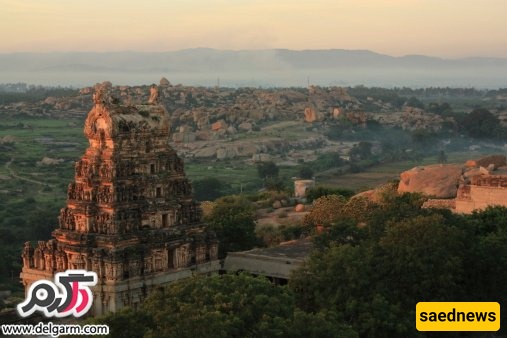
If you have never heard of Vijayanagara, you are certainly not alone. Although this once-thriving city remains significant to Indians, many people around the world know little about it.
From the 14th to the 16th century, Vijayanagara was a major urban center. Today, its ruins form a magnificent historical site, celebrated for its intricate architecture and impressive structures. Many of its monuments still stand proudly, preserving the grandeur of a remarkable civilization.
Once the heart of one of the greatest empires in southern India, the surviving remains of Vijayanagara offer a striking glimpse into the city's former glory.
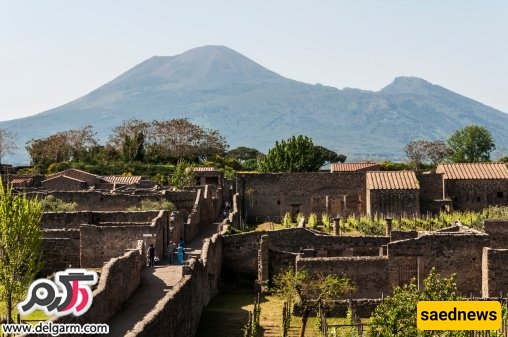
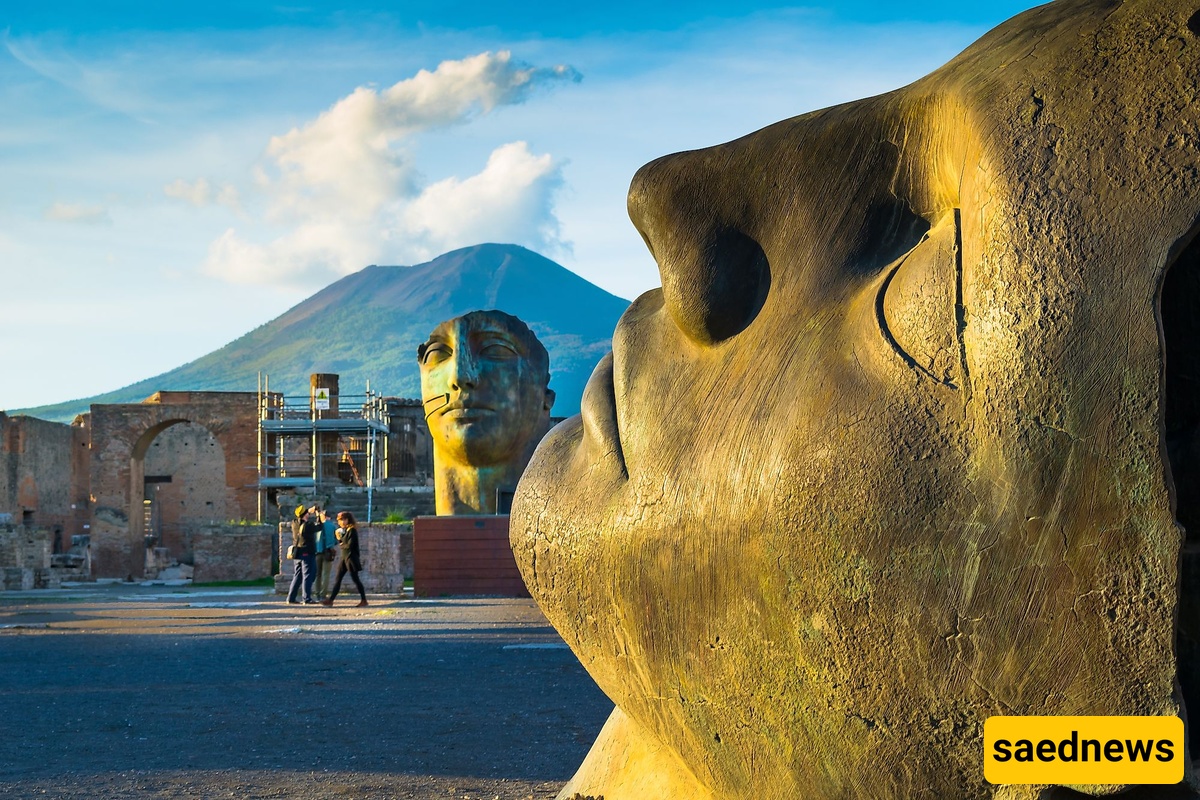
For more than 1,500 years, the exact location of the Roman city of Pompeii remained unknown to much of the world.
In AD 79, Mount Vesuvius erupted, burying the city beneath several meters of volcanic ash and pumice. Located just a few miles from Naples in southern Italy, Pompeii was eventually rediscovered through archaeological excavations.
Over the years, researchers uncovered a city that had once been home to more than 20,000 people. Although Pompeii now lies in ruins, its remarkably preserved streets, buildings, and architectural details reveal the sophistication of Roman urban life.
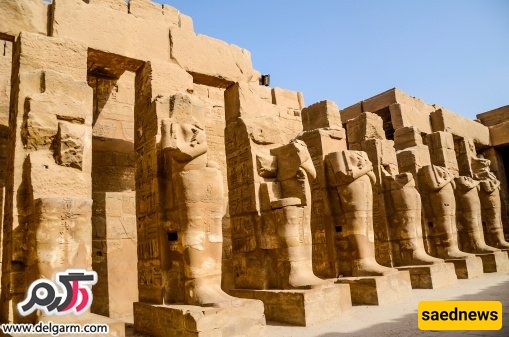
Thebes is one of those extraordinary places whose grandeur sets it apart from almost any other ancient city. In its time, it was known locally as Waset.
Situated in the area of modern-day Luxor in southern Egypt, Thebes was once one of the country's most important capitals and among the largest cities in the ancient world, with a population reportedly exceeding 40,000.
Its remarkable architectural heritage includes the magnificent Karnak Temple complex and the famous tomb of Tutankhamun, both of which offer a fascinating glimpse into ancient Egyptian civilization.
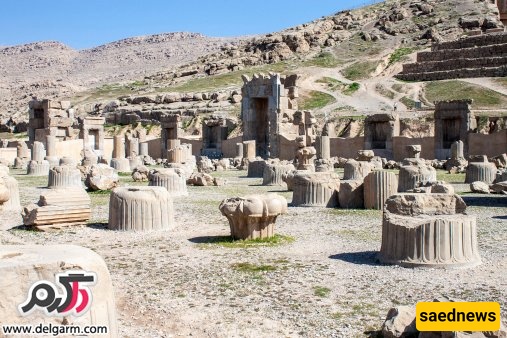
What makes ancient Persepolis so distinctive is its intricate architecture, elaborate carvings, and finely detailed stonework.
Dating back to approximately 515 BC, the surviving ruins remain a testament to the artistic and architectural achievements of the Persian Empire. Sculptures and reliefs depicting nobles, servants, and imperial officials still adorn the ancient structures.
Persepolis, also known as Takht-e Jamshid, is one of Iran's most extraordinary archaeological sites. Although much of the city has been reduced to ruins, its surviving monuments demonstrate the remarkable craftsmanship and ambition of the civilization that created it.
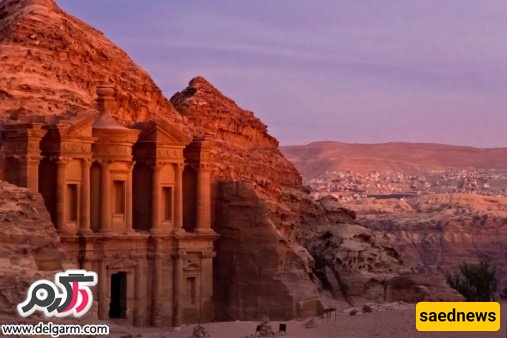
The name Petra comes from the Greek word for “rock,” an appropriate name for a city famous for its monumental structures carved directly into sandstone cliffs.
Often regarded as a must-see destination for travelers, Petra remained largely unknown to the Western world until its rediscovery by Swiss explorer Johann Ludwig Burckhardt in 1812. Today, it is recognized as a UNESCO World Heritage Site.
The city's history dates back to at least the fourth century BC. Before becoming part of the Roman Empire in the first century AD, Petra flourished as an important commercial center along ancient trade routes, including those associated with the movement of spices and other valuable goods.
Following changes in regional trade and political power, the city's population gradually declined, and Petra was eventually abandoned.
Its extraordinary rock-cut architecture, elaborate carvings, and dramatic natural setting make it one of the world's most captivating ancient cities.
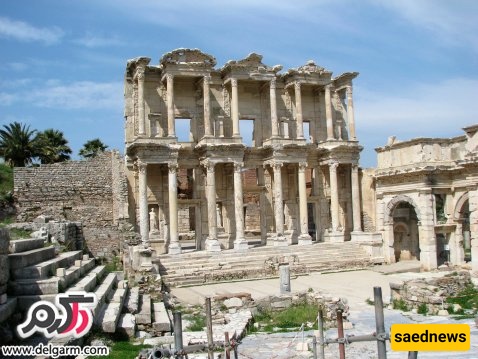
Today, Ephesus is an archaeological treasure, but it was once one of the most prosperous and influential cities of the ancient Greek world.
Located in present-day Turkey, Ephesus was home to the Temple of Artemis, one of the Seven Wonders of the Ancient World.
Among the city's most impressive surviving monuments is the Library of Celsus, constructed in approximately AD 125 by Julius Aquila in memory of his father, Celsus. The building is one of the most recognizable landmarks of ancient Ephesus.
As one of the notable libraries of the Roman world in Asia Minor, it reflects the importance of learning, culture, and public architecture in the ancient city. Its surviving façade continues to attract historians, archaeologists, and travelers from around the globe.
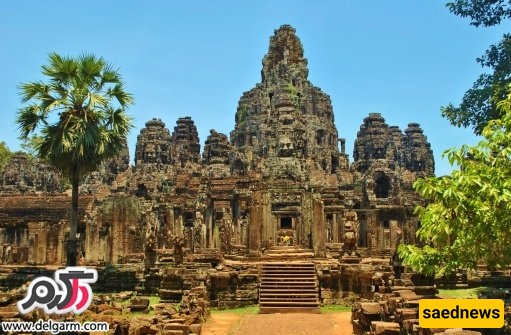
Between AD 802 and 1431, Angkor developed into the heart of the Khmer Empire, becoming one of the most remarkable urban and political centers of the medieval world.
Today, its remains form one of the world's most extraordinary archaeological landscapes. The region is home to numerous temples, including Angkor Wat, widely regarded as the largest religious monument in the world.
The surviving structures reflect the wealth, engineering skills, and artistic sophistication of the Khmer civilization.
Even after centuries of change and partial abandonment, Angkor's magnificent temples, intricate carvings, and monumental architecture continue to inspire awe.
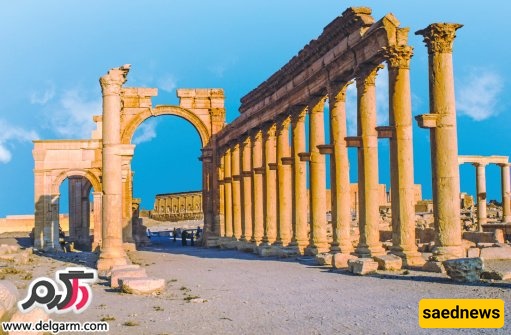
Known as the “Bride of the Desert,” Palmyra was once a prosperous trading city and an important center of commerce in the Syrian desert. It was also known by the name Tadmor and appears in both ancient Babylonian records and the Hebrew Bible.
Palmyra's architecture reflects a blend of local traditions and Greco-Roman influences. During the first centuries AD, the city flourished as a vital link between the Roman world and the trading networks of the East.
Its population and political importance declined over subsequent centuries, and parts of the ancient city were eventually abandoned.
For anyone interested in Roman architecture and the history of ancient trade, Palmyra remains an extraordinary historical destination, renowned for its monumental columns, temples, and distinctive cultural heritage.
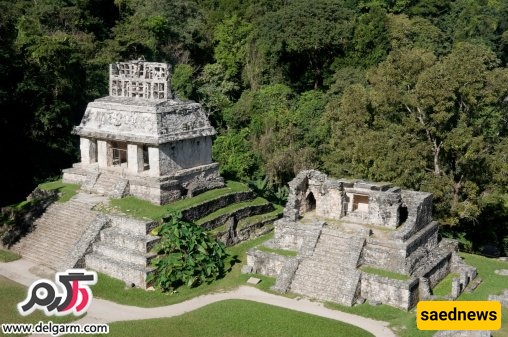
Palenque was one of the most important cities of the ancient Maya civilization. Its development began centuries before the Common Era, and it flourished particularly during the Classic Maya period.
Agriculture played an essential role in sustaining the city and its surrounding population. As political and economic conditions changed, Palenque eventually declined and was gradually reclaimed by the surrounding tropical forest.
For centuries, its monumental buildings and inscriptions remained hidden beneath dense vegetation.
The city's carved stone monuments preserve valuable records of Maya rulers, dynasties, and historical events. Although Palenque is no longer inhabited as an ancient urban center, its sophisticated architecture and rich cultural legacy make it one of the most fascinating archaeological sites in the Americas.
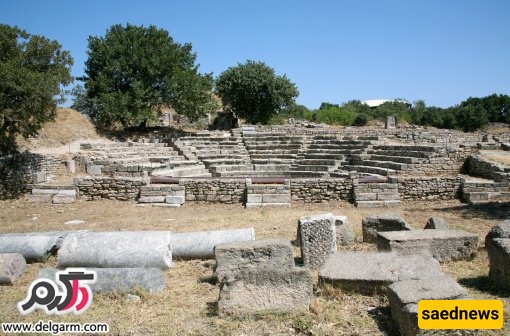
The ancient city of Troy was destroyed and rebuilt multiple times, with successive settlements rising on top of earlier ruins.
Its fame spread throughout the world largely through Homer's Iliad, the epic poem recounting the legendary Trojan War.
Located in modern-day Turkey, Troy has a history stretching back to approximately 3000 BC. Archaeological excavations have revealed multiple layers of settlement, each offering evidence of different periods in the city's long and complex history.
Although much of ancient Troy survives only as ruins, the site remains an extraordinary testament to human ingenuity, resilience, and the enduring power of historical legend.
From the monumental temples of Angkor to the rock-carved wonders of Petra and the magnificent ruins of Persepolis, these ten forgotten cities reveal how civilizations can disappear while leaving behind extraordinary legacies.
Their streets, temples, monuments, and intricate carvings continue to connect the modern world with the people who lived centuries or even millennia ago. Though their former empires have vanished, their architectural beauty and historical significance remain unforgettable.