SAEDNEWS: Alamut Castle, along with six affiliated fortresses, has been inscribed as Iran’s 30th tangible cultural heritage site on the UNESCO World Heritage List during the 48th session of the World Heritage Committee in Busan, South Korea.
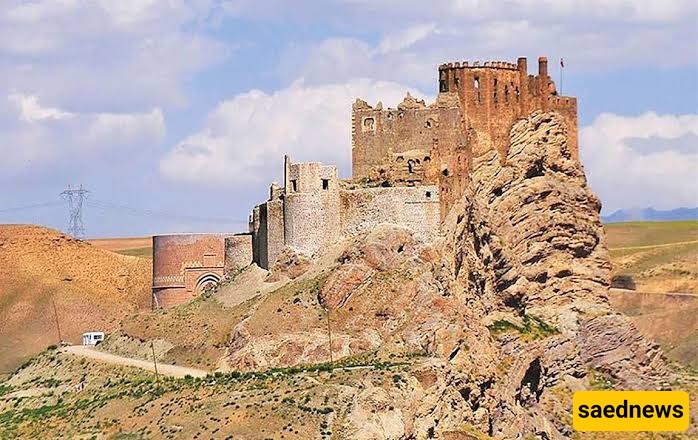
According to Saednews, Alamut Castle, along with six associated fortresses, has been officially inscribed as Iran’s 30th World Heritage property by UNESCO. Read about the historic inscription, the role of veteran archaeologist Hamideh Choubak, and the fascinating history of the fortress.
Alamut Fortress is located in the Alamut region of Qazvin Province, northeast of Gazorkhan village and approximately 105 kilometers from Qazvin (Caspian).
On Sunday, August 4, 1405 in the Iranian calendar, the ancient Alamut Fortress was officially inscribed on the UNESCO World Heritage List as Iran’s 30th tangible cultural heritage property. The historic decision was approved without opposition during the 48th session of the World Heritage Committee, held in Busan, South Korea.
For Iranians, the international recognition of a fortress that once stood at the center of legendary chapters in the country’s history represents an important cultural milestone. The inscription is the result of more than two decades of archaeological research, documentation, conservation efforts, and cooperation from the local community.
One of the key factors behind the successful World Heritage nomination was the more than 22 years of continuous research carried out by Dr. Hamideh Choubak and her specialist team.
Choubak, a veteran archaeologist and director of the Alamut Cultural Heritage Base, devoted years to excavating buried sections of the fortress and conducting archaeological research at the site.
According to Maryam Mahdavi, head of the Qazvin Provincial Department of Cultural Heritage, Tourism and Handicrafts, the inscription was made possible through 22 years of patience and cooperation by local residents, continuous research, and national support. Local participation in conservation restrictions and restoration projects was also an important part of the process.
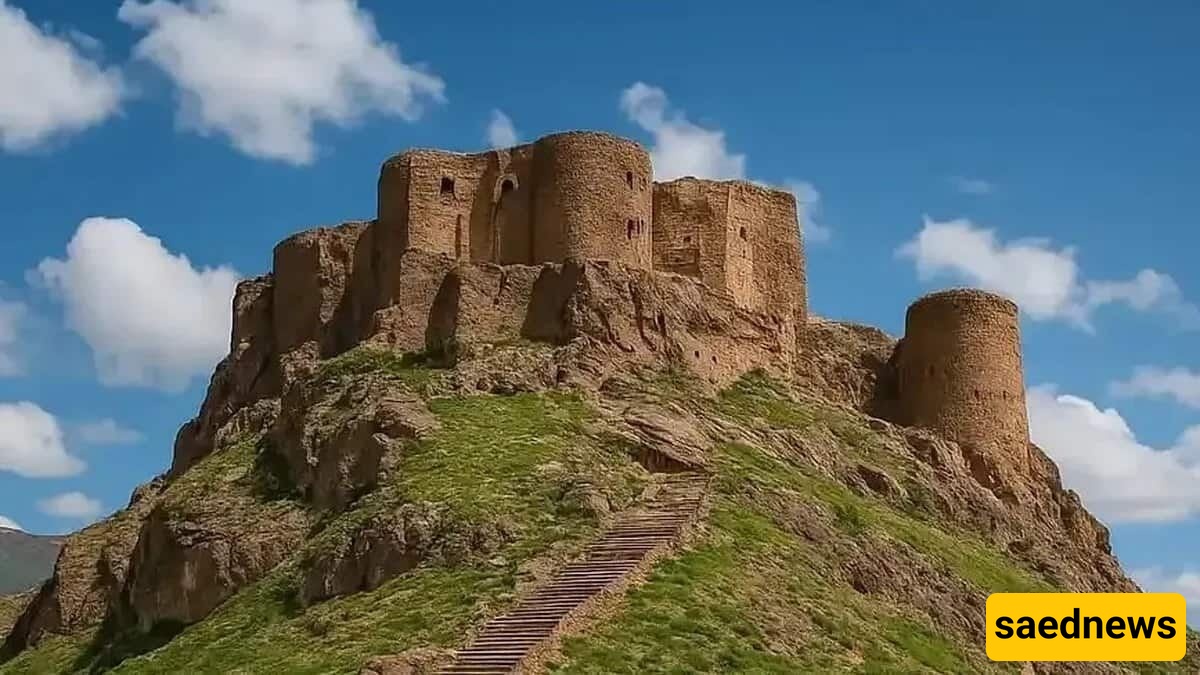
The Alamut World Heritage property is not limited to a single monument. It encompasses a connected network of seven historic fortresses and their associated defensive structures, which together formed part of the defensive, communication, and administrative system of the Nizari Ismailis.
Fortress | Role and significance |
|---|---|
Alamut Castle | The central seat of power and the principal center for the political and military leadership of the Nizari Ismailis. |
Lambsar Castle | The largest and most heavily fortified castle in the network, serving as a winter residence and a secondary capital. |
Nevisar Shah Castle | One of the region’s highest and most inaccessible fortresses and among the final strongholds resisting the Mongol invasion. |
Shirkuh Castle | A strategic fortress used to control access routes, important crossings, and caravan security. |
Shams Kalayeh Castle | An important supporting fortress that played a role in the communication and defensive network of the Alamut Valley. |
Qestin Lar Castle | A monitoring fortress used to oversee regional entrances and protect agricultural land and vital resources. |
Ilan Castle | A satellite and watchtower fortress that completed the integrated defensive and communication network of the Alamut region. |
Seyyed Reza Salehi Amiri, Iran’s Minister of Cultural Heritage, Tourism and Handicrafts, emphasized at the Busan meeting that the inscription represented an important milestone for Iran’s cultural diplomacy as well as international recognition of the country’s historical heritage.
Located about 105 kilometers north of Qazvin, Alamut Castle is an example of military architecture adapted to a rugged mountainous landscape. For more than 160 years, it served as a major center of the Ismaili movement.
The fortress was designed as a highly fortified mountain settlement, incorporating sophisticated water-storage systems, gardens traditionally associated with the famous “Garden of Paradise,” and what was once regarded as one of the great libraries of the Islamic world.
The era of Hasan-i Sabbah and the fortress eventually came to an end in 1256, when the Mongol forces led by Hulagu Khan captured Alamut after centuries of resistance involving the Seljuks and Khwarazmians. The fortress surrendered, its great library was destroyed by fire, and much of the structure was ruined.
Today, the surviving remains of its walls and foundations provide valuable evidence of one of the most significant chapters in Iran’s medieval history.
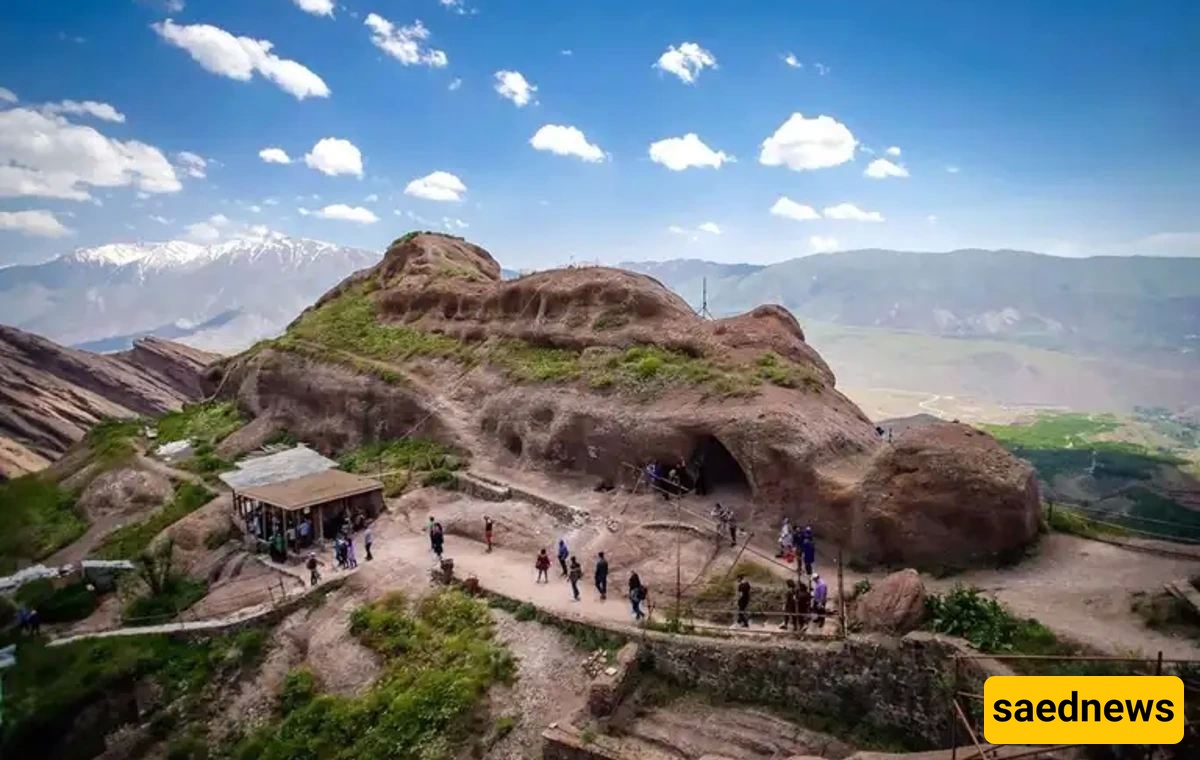
The UNESCO designation is expected to increase international attention to the historical and cultural potential of the Alamut region. It may also encourage improvements to tourism infrastructure, attract more international visitors, and contribute to economic activity among local businesses in the Rudbar-e Alamut area.
For visitors, a journey to Qazvin and the climb toward Alamut is now more than a visit to an ancient fortress—it is an opportunity to experience a historic landscape that has gained recognition as part of the world’s cultural heritage.