SAEDNEWS: A Complete Guide to BBQ Grills and Professional Grilling Techniques for Delicious, Juicy Results
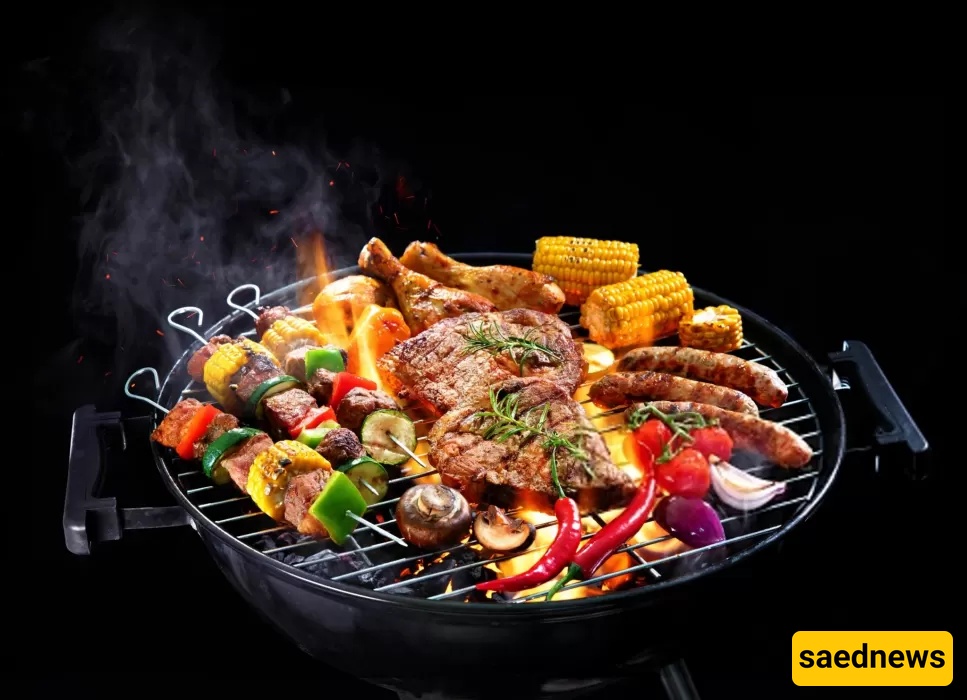
According to Saednews, Grilling is one of the most enjoyable ways to prepare food, with deep roots in the cultures and traditions of many nations. With advances in technology and the introduction of modern barbecue grills, this ancient cooking art has undergone significant changes.
Today, barbecue grills offer a wide range of features that make grilling easier and more enjoyable for everyone, from beginners to experienced grillers. But how exactly do you cook food on a barbecue grill?
In this comprehensive guide, we will explore how to use a barbecue grill, essential tips, professional techniques, and the secrets to achieving excellent grilling results. By following this guide, you can make the most of your barbecue grill and prepare delicious, flavorful meals.
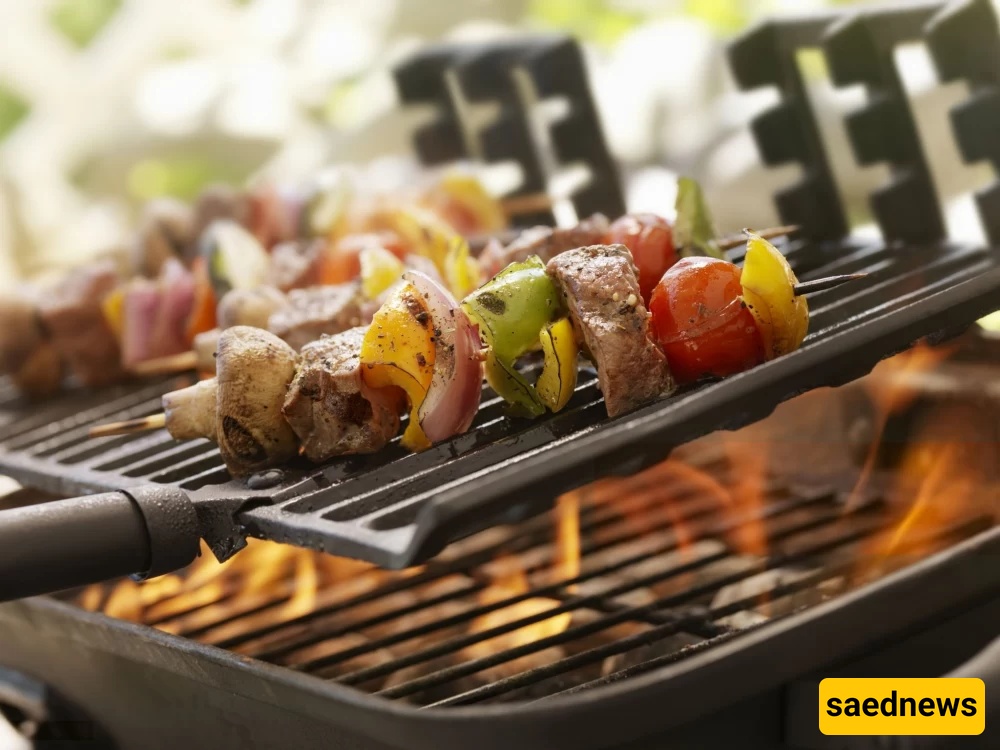
Charcoal grills are the most traditional type of barbecue grill. They use lump charcoal or charcoal briquettes as fuel and give food an authentic smoky flavor that many people prefer.
Grilling with a charcoal barbecue requires more patience and skill because temperature control can be more challenging.
Gas grills operate using liquefied petroleum gas (propane) or natural gas. Their main advantages are quick heating and precise temperature control.
Gas grills are generally easier to use than charcoal grills, making them an excellent choice for beginners.
Electric grills are suitable for apartments and certain enclosed cooking areas where their use is permitted. They run on electricity and typically produce less smoke than charcoal grills.
They are relatively simple to operate and require little specialized grilling experience.
Hybrid grills combine two or more fuel sources, allowing users to cook with charcoal, gas, or electricity, depending on the model.
This versatility allows you to choose the most suitable cooking method according to your preferences and circumstances.
Before grilling, select an appropriate location for your barbecue.
Place the grill outdoors in a well-ventilated area.
Keep it away from trees, wooden structures, and flammable materials.
Position it on a stable, level, nonflammable surface.
Never operate charcoal or gas grills indoors or in enclosed spaces because of the risk of carbon monoxide poisoning.
Keeping your barbecue clean directly affects food quality and the grill's lifespan.
Before each use, clean the grates and cooking surfaces with a suitable grill brush. Remove leftover grease, food residue, and ash from previous cooking sessions.
Regular cleaning also helps reduce flare-ups caused by accumulated grease.
Preheating is one of the most important steps in successful grilling.
Charcoal grills: Allow approximately 20–30 minutes for the charcoal to become ready for cooking.
Gas grills: Preheat for approximately 10–15 minutes.
A general starting temperature for grilling is between 180°C and 230°C (356°F and 446°F), although the ideal temperature depends on the food and cooking method.
Temperature control is essential for achieving good results.
High heat (200–230°C / 392–446°F): Suitable for searing steaks and cooking thin cuts of meat.
Medium heat (170–190°C / 338–374°F): Suitable for many chicken dishes and thicker cuts of meat.
Low heat (110–140°C / 230–284°F): Ideal for slow cooking and smoking.
These ranges are general guidelines. Always adjust the temperature according to the recipe, the thickness of the food, and the grill manufacturer's instructions.
The quality of the meat has a significant impact on the final flavor.
Cuts with moderate marbling, such as sirloin, tenderloin, and beef or lamb ribs, can be excellent choices for grilling. Chicken, fish, and shrimp are also popular barbecue options.
Choose fresh ingredients and ensure that meat and seafood are stored and handled safely before cooking.
Marinating involves soaking meat in a mixture of flavoring ingredients, acids, and oil. It can enhance flavor and, depending on the ingredients and cut, improve tenderness.
Common marinade ingredients include:
Olive oil
Lemon juice
Vinegar
Soy sauce
Garlic
Onion
Herbs and spices
Approximate marinating times vary depending on the type of meat:
Steak: 30 minutes to 2 hours
Chicken: 2–4 hours
Tougher cuts of meat: Up to 24 hours, depending on the marinade and cut
Always marinate food in the refrigerator, not at room temperature. Discard used marinade or boil it thoroughly before using it as a sauce.
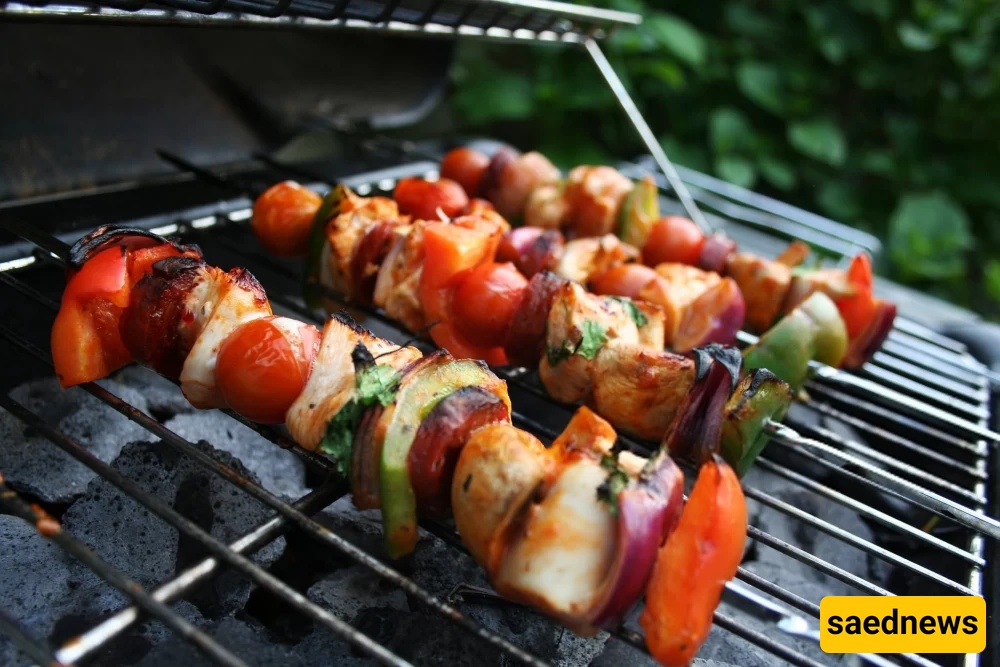
Vegetables are excellent additions to any barbecue.
Popular choices include bell peppers, zucchini, eggplant, mushrooms, onions, and tomatoes.
Cut vegetables into similarly sized pieces so that they cook evenly. Toss them with olive oil, salt, and pepper before placing them on the grill.
With direct grilling, food is placed directly over the heat source.
This method is suitable for thin cuts of meat, steaks, burgers, and vegetables. High heat helps create a browned, flavorful exterior.
For best results, preheat the grill and lightly oil the clean cooking grates using an appropriate method to prevent sticking.
In indirect grilling, food is positioned away from the main heat source and cooked using circulating heat.
This technique works particularly well for thick cuts of meat, whole chickens, large roasts, and larger steaks.
Indirect grilling takes longer than direct grilling but can produce tender, juicy results while reducing the risk of burning the outside before the inside is cooked.
Smoking is a slow-cooking technique that uses smoke from suitable wood to give food a distinctive smoky flavor.
Common wood choices include apple, cherry, hickory, and mesquite. Each produces a different aroma and flavor profile.
Maintain a stable cooking temperature and use wood intended for food smoking. Avoid treated, painted, or chemically contaminated wood.
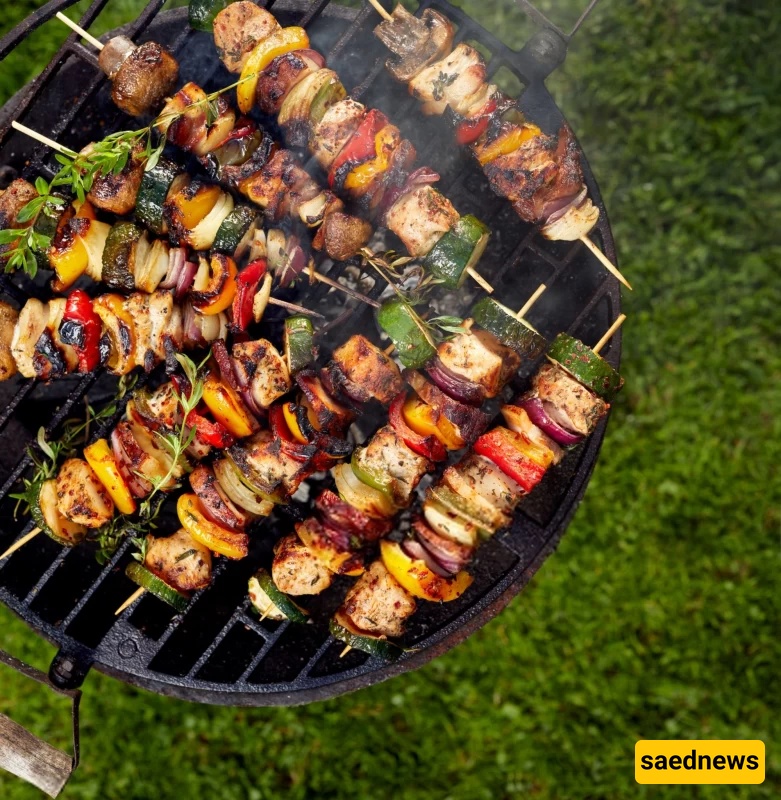
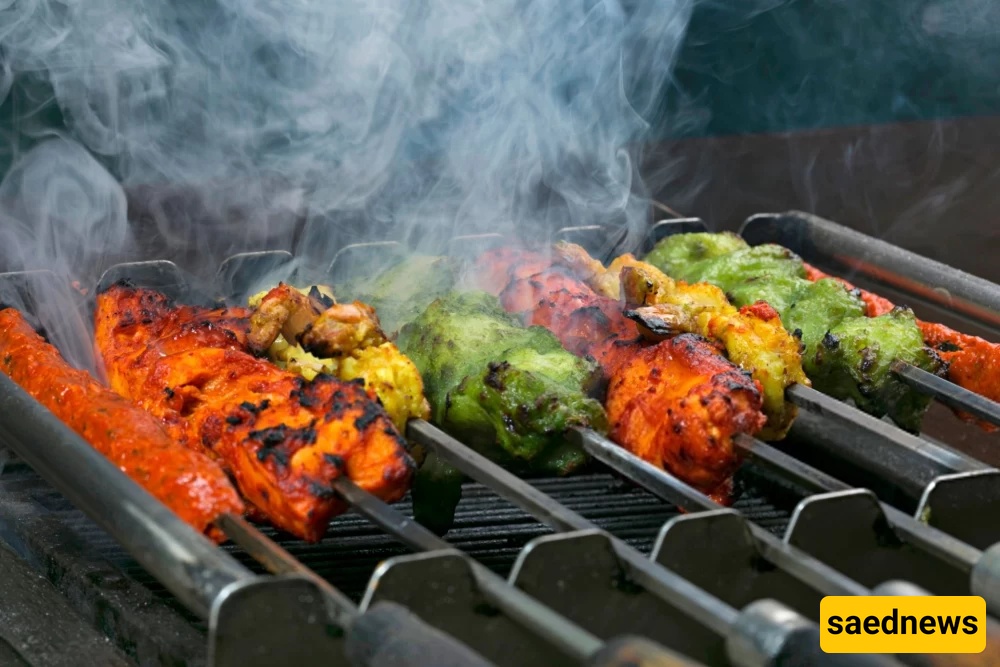
Rotisserie cooking involves slowly rotating meat over or near a heat source.
It is particularly useful for whole chickens, large roasts, and certain kebab-style dishes.
Secure the meat properly on the spit and rotate it steadily to encourage even cooking and browning.
A meat thermometer is one of the most useful tools for reliable grilling. The internal temperature provides a more dependable indication of doneness than appearance alone.
Approximate temperatures for beef steak include:
Medium rare: 54–57°C (129–135°F)
Medium: 60–63°C (140–145°F)
Well done: 71–77°C (160–171°F)
These are culinary doneness ranges, not necessarily food-safety targets. For food safety, follow recommended minimum internal temperatures. For example, whole cuts of beef, pork, and lamb should reach 63°C (145°F), followed by a three-minute rest. Ground meat should reach 71°C (160°F), while poultry should reach 74°C (165°F).
Check the temperature in the thickest part of the food, away from bones.
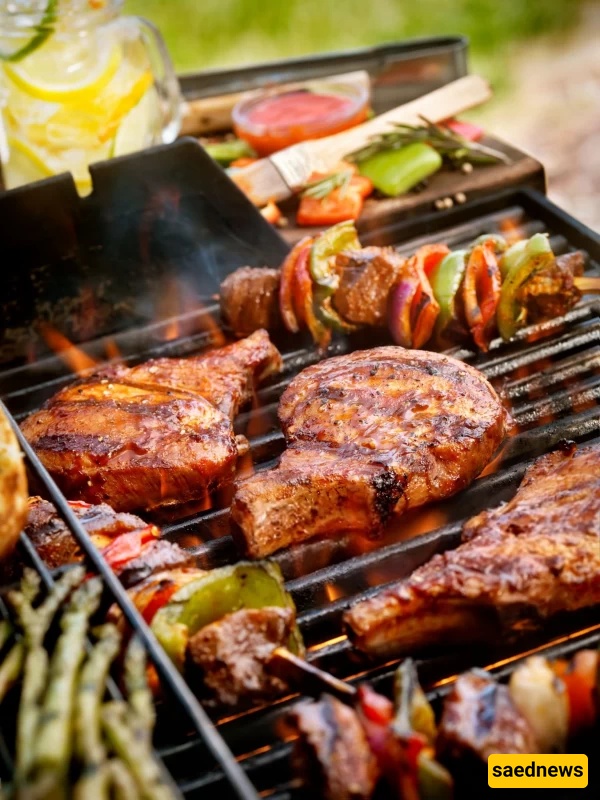
After cooking, allow meat to rest before slicing or serving.
Resting helps retain juices and can improve the final texture. Depending on the size and thickness of the cut, rest the meat for approximately 5–15 minutes.
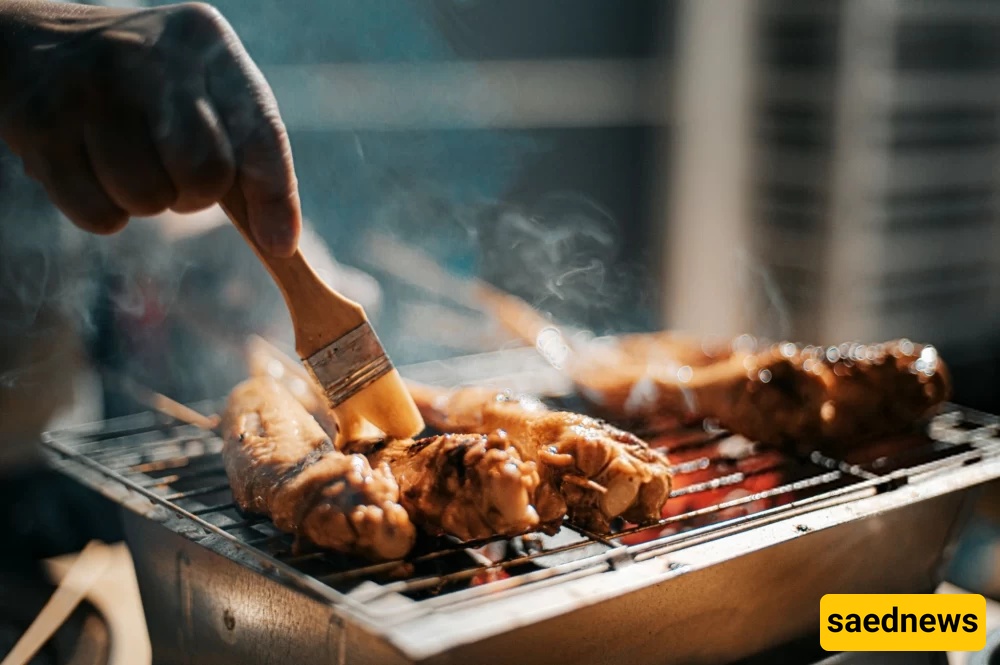
In addition to marinades, dry rubs can add flavor and help develop a delicious crust.
A dry rub is a mixture of spices, herbs, salt, and sometimes sugar that is applied to meat before cooking.
Popular options include:
Cajun rubs
Mexican-inspired spice blends
Sweet barbecue rubs
Garlic and herb seasonings
Smoked paprika and black pepper blends
Adjust the seasoning according to the ingredients and your preferred flavor profile.
To reduce sticking:
Start with clean, properly preheated cooking grates.
Lightly oil the food or grates using a suitable method.
Avoid moving food too early; it often releases more easily once a crust has formed.
Use appropriate grilling tools.
Avoid spraying oil directly over an open flame.
For a flavorful steak:
Pat the steak dry with paper towels.
Season it with salt and pepper.
Preheat the grill to high heat.
Place the steak directly over the heat source.
Grill each side for approximately 3–5 minutes, depending on thickness and desired doneness.
Check the internal temperature with a meat thermometer.
Allow the steak to rest before serving.
Cooking times vary considerably depending on the thickness of the steak, the grill temperature, and the cut of meat.
Chicken can be grilled as individual pieces or as a whole bird.
For a whole chicken, indirect heat is generally preferable. Set the grill to approximately 170–180°C (338–356°F) and cook for around 1–1.5 hours, depending on the bird's size and the grill.
Always verify that the thickest part of the chicken reaches an internal temperature of 74°C (165°F).
Fish and shrimp cook quickly and require careful attention.
Use a fish basket, suitable grill grate, or food-safe aluminum foil when necessary to prevent delicate pieces from breaking apart.
Season fish with olive oil, lemon juice, herbs, and spices.
As a general guideline:
Fish: Approximately 3–4 minutes per side, depending on thickness.
Shrimp: Approximately 2–3 minutes per side, depending on size.
Fish is generally considered safely cooked at an internal temperature of 63°C (145°F). Shrimp should be cooked until opaque and firm.
Cut vegetables into evenly sized pieces and season them with olive oil, salt, and pepper.
Place them on the preheated grill and cook for approximately 3–5 minutes per side, adjusting the time according to their size and texture.
Soft vegetables, such as tomatoes and mushrooms, usually cook faster than denser vegetables.
A barbecue can also be used to prepare pizza and flatbreads.
Preheat the grill and prepare the dough.
Place the pizza dough on a suitable grilling surface.
Add the toppings, or partially cook the base first if that works better for your recipe.
Close the lid to help distribute the heat.
Cook until the crust is browned and the toppings are thoroughly heated.
Pizza may take approximately 8–10 minutes, depending on the grill temperature and dough thickness.
For flatbread, cook each side for approximately 2–3 minutes, adjusting as necessary.
Always use the grill outdoors in a well-ventilated location.
Keep the grill away from combustible materials.
Keep children and pets at a safe distance.
Use heat-resistant gloves and suitable grilling tongs.
Never leave a lit grill unattended.
Turn off the burners or extinguish the charcoal safely after cooking.
Allow the grill to cool completely before cleaning or storing it.
Inspect gas connections and hoses before use.
Open the lid before igniting the grill, unless the manufacturer specifies otherwise.
Check for gas leaks using an approved method, such as a soapy-water solution.
Never use a flame to test for leaks.
If you smell gas, turn off the supply if safe to do so, avoid ignition sources, and follow the manufacturer's emergency instructions.
Store gas cylinders upright in an appropriate, well-ventilated outdoor location, away from heat and direct sunlight.
Use charcoal starter products according to their instructions.
Never pour lighter fluid onto hot or burning charcoal.
Wear heat-resistant gloves when handling hot equipment.
Dispose of ashes only after they have cooled completely.
Never bring a charcoal grill indoors, even after the flames have died down, because it can continue to produce carbon monoxide.
After every grilling session:
Brush the cooking grates using an appropriate grill brush.
Remove food residue and excess grease.
Clean removable components as directed by the manufacturer.
Empty the ash collector when the ashes are completely cool.
Wipe suitable exterior surfaces with a damp cloth.
For deeper cleaning, wash removable grates with warm, soapy water when permitted by the manufacturer's instructions.
At least once per season, perform a more thorough inspection and cleaning.
Remove and clean detachable components.
Inspect gas hoses, connections, and burners.
Clear burner ports according to the manufacturer's instructions.
Check for rust and damaged parts.
Replace worn or defective components as necessary.
Use only coatings specifically designed for barbecue grills on appropriate exterior surfaces. Never apply ordinary paint to cooking surfaces.
If you live in a cold climate, protect your grill during the winter months.
Clean and dry the grill thoroughly.
Use a suitable weather-resistant cover.
Store it in a sheltered, dry location when possible.
Follow the manufacturer's instructions for disconnecting and storing gas cylinders.
Gas cylinders should be stored according to local regulations, generally outdoors in an appropriate ventilated location rather than inside a home, basement, or enclosed shed.
Mastering BBQ grilling combines practical skills, an understanding of heat, and experience. By following the techniques and recommendations in this guide, you can prepare flavorful, juicy, and consistently cooked meals.
Every stage matters, from choosing the right grill and preparing ingredients to controlling the temperature and selecting the appropriate cooking method.
Remember that practice is essential. Each grilling session gives you an opportunity to improve your skills, experiment with different flavors, and develop your own cooking style.
With proper maintenance and careful attention to safety, your barbecue grill can provide years of enjoyable outdoor cooking and memorable meals with family and friends.
Now it is time to fire up your grill, put these techniques into practice, and enjoy the art of barbecue cooking. Enjoy your meal!