SAEDNEWS: A phobia is a common anxiety disorder characterized by an intense and irrational fear of specific objects, situations, or stimuli. This article explores the different types of phobias, their causes, symptoms, and available treatment options.

According to Saednews, Fear is one of the most natural human emotions. It serves a protective purpose by helping us avoid dangerous situations. However, sometimes fear becomes excessive and irrational, significantly affecting a person's quality of life.
This condition is known as a phobia, a type of anxiety disorder in which a person experiences an intense and persistent fear of a specific object, situation, or circumstance.
In this comprehensive guide, we explore the different types of phobias, their causes and symptoms, and the most effective treatment options. Although phobias can be distressing, the good news is that many people experience significant improvement with appropriate treatment.
The word phobia comes from the Greek word phobos, meaning fear or terror. It refers to an intense, persistent, and disproportionate fear of a particular trigger.
The main difference between ordinary fear and a phobia lies in the intensity of the reaction and its impact on everyday life. Ordinary fear is generally a healthy, short-term response, whereas a phobia:
Is excessive and disproportionate to the actual danger.
Persists over an extended period, typically six months or longer.
Leads to significant avoidance of the feared object or situation.
Interferes with work, social relationships, and family life.
For example, many people dislike snakes or spiders and may feel uncomfortable around them. However, someone with a phobia might experience a panic attack after seeing a picture of a snake and avoid visiting natural areas or even watching wildlife documentaries.

Doctors and psychologists classify phobias into several main categories based on the source of fear. Identifying the type of phobia is important for selecting the most appropriate treatment.
Specific phobias are among the most common types of phobic disorders. They involve an intense fear of a particular object or situation and are divided into several subtypes.
Animal-related phobias (zoophobia): Fear of particular animals, such as spiders (arachnophobia), snakes (ophidiophobia), dogs (cynophobia), insects, or birds.
Natural environment phobias: Fear of heights (acrophobia), storms, thunder and lightning, water (hydrophobia), or darkness (nyctophobia).
Blood-injection-injury phobia: Fear of blood, needles, wounds, or medical procedures. Unlike many other phobias, this type can cause a drop in heart rate and blood pressure, sometimes leading to fainting.
Situational phobias: Fear of enclosed spaces (claustrophobia), bridges, elevators, tunnels, flying (aviophobia), or driving.
Other specific phobias: Fear of loud noises, dolls, or crowded places that do not fit neatly into the categories above.
Social anxiety disorder is characterized by an intense fear of being judged, embarrassed, humiliated, or negatively evaluated in social situations.
People with this condition may experience severe anxiety when speaking in public, eating in front of others, or talking to strangers.
The fear often stems from persistent concerns about how others perceive them. Without appropriate treatment, social anxiety can lead to social withdrawal and substantial limitations in everyday activities.
Agoraphobia involves fear of situations in which escaping might be difficult or help might not be available if panic-like symptoms occur.
People with agoraphobia may avoid open spaces, large shopping centers, public transportation, or crowded places.
The condition can occur alongside panic disorder. Over time, some individuals may become so fearful of experiencing symptoms outside their home that they struggle to leave it.

Understanding the factors that contribute to phobias can help explain how these fears develop and persist.
Genetics and family history: People with a family history of anxiety disorders may have a higher risk of developing phobias. Research suggests that genetic factors can contribute to susceptibility.
Environmental factors and traumatic experiences: A frightening experience, such as being bitten by a dog, experiencing a car accident, or becoming trapped in an elevator, may trigger a phobia. Observing another person's intense fear or hearing frightening stories can also contribute.
Brain processes and neurochemistry: The amygdala, a brain region involved in processing fear, plays an important role in phobic responses. Neurotransmitters such as serotonin and norepinephrine are also involved in regulating anxiety.
Personality and learned behavior: People who are generally anxious or particularly sensitive to stress may be more susceptible. Phobias can also develop through learned associations, particularly during childhood, and become reinforced when avoidance temporarily reduces fear.

Phobia symptoms are generally divided into physical, psychological, and behavioral categories. They may occur when a person encounters the feared trigger or even when thinking about it.
Physical symptoms include:
Rapid or irregular heartbeat.
Excessive sweating.
Trembling or shaking.
Shortness of breath or a choking sensation.
Chest pain or pressure.
Nausea or dizziness.
Sudden hot flashes or chills.
Psychological and behavioral symptoms include:
Intense fear or a sense of impending disaster.
Fear of losing control.
Feelings of detachment from reality.
Crying or screaming.
Strong urges to escape.
Persistent avoidance of the feared object or situation.
Over time, a person's daily routine may increasingly revolve around avoiding triggers, significantly restricting their freedom and independence.

A definitive diagnosis requires a clinical assessment by a qualified mental health professional, such as a psychiatrist or clinical psychologist.
During the assessment, the professional reviews the person's symptoms and medical and psychological history and may use standardized questionnaires.
For a specific phobia, symptoms generally must persist for at least six months, be disproportionate to the actual danger, and cause significant distress or impairment in social, occupational, educational, or other important areas of life.
The clinician may also assess whether another anxiety disorder, depression, or a physical health condition could explain the symptoms.
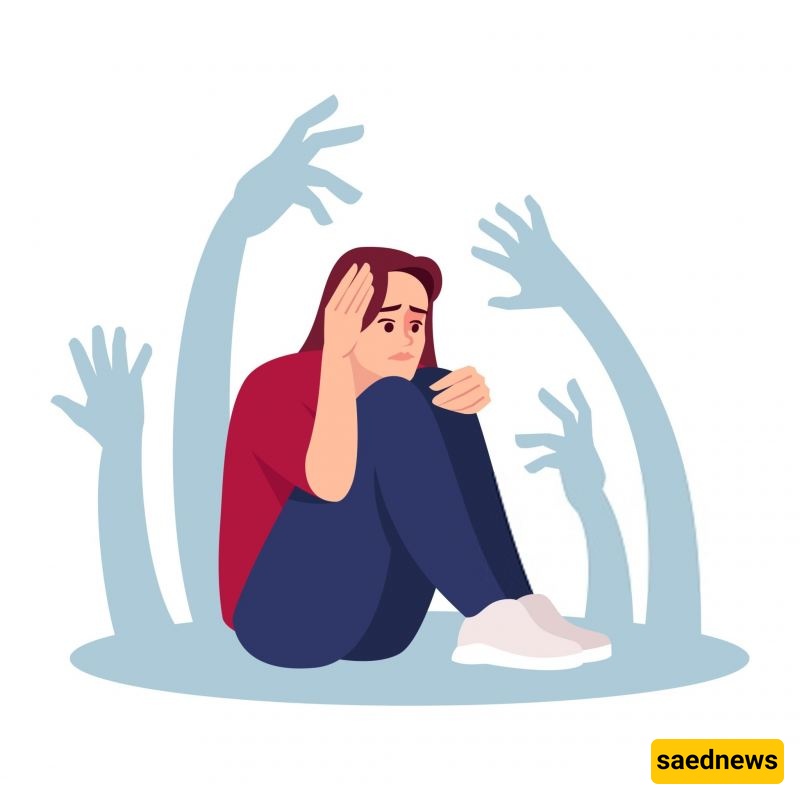
Phobias are among the conditions that often respond well to psychological treatment. Many people experience substantial improvement when they receive appropriate, evidence-based care.
Cognitive behavioral therapy is one of the most effective treatments for phobias. It helps people identify and change unhelpful thought patterns and behavioral responses associated with fear.
CBT commonly involves two important components:
Cognitive restructuring: People learn to recognize irrational thoughts and replace them with more realistic interpretations. For example, someone who believes, “If I see a dog, it will definitely bite me,” learns to evaluate that assumption more accurately.
Exposure therapy: Under appropriate guidance, the person gradually confronts the feared trigger. Treatment may begin with imagining the situation or viewing pictures and progress toward real-life exposure. Repeated, structured exposure can help reduce avoidance and change the person's response to fear.
Exposure can be gradual or more intensive, depending on the individual and the treatment plan.
Virtual reality technology has expanded the options available for exposure-based treatment.
Using a virtual reality headset, a person can encounter simulated situations involving spiders, heights, flying, or other feared triggers in a controlled therapeutic environment.
This approach can be particularly useful when arranging real-life exposure is difficult or when a person finds direct exposure challenging.
Medication may be considered when phobias occur alongside panic disorder, depression, or severe anxiety, or when additional symptom management is needed.
Medication does not necessarily eliminate a specific phobia, but it may help manage associated symptoms.
Antidepressants (SSRIs): Medications such as sertraline and fluoxetine may help manage certain anxiety disorders, including social anxiety disorder.
Beta-blockers: These may sometimes be used to reduce physical symptoms, such as a racing heartbeat, in specific situations. Their usefulness depends on the condition and individual circumstances.
Benzodiazepines: These medications may be prescribed for short-term relief in selected circumstances. Because they carry risks, including dependence, they are not generally a first-line treatment for phobias.
Medication decisions should be made with a qualified healthcare professional.

Relaxation strategies can help people manage the physical symptoms of anxiety.
Useful techniques include:
Deep breathing exercises.
Progressive muscle relaxation.
Meditation and mindfulness.
Grounding exercises that bring attention back to the present moment.
These techniques are often used alongside exposure therapy and other psychological treatments rather than as a replacement for them.

Lifestyle adjustments can support recovery and improve overall emotional well-being.
Maintain healthy sleep and nutrition: Adequate sleep and a balanced diet support general health and emotional regulation.
Exercise regularly: Aerobic exercise can help reduce baseline anxiety and improve mood.
Limit caffeine and alcohol: Caffeine may intensify anxiety symptoms, while alcohol can negatively affect sleep and mental well-being.
Practice gradual exposure when appropriate: With guidance from a therapist, individuals may work through a structured hierarchy of feared situations, starting with less distressing experiences and progressing gradually.
For example, someone with a fear of heights might begin by looking at pictures of elevated places, then visit a low observation point, and gradually work toward more challenging situations as their confidence increases.
Self-directed exposure should be approached carefully, particularly when the feared situation involves genuine physical danger or when symptoms are severe.

Phobias are more than ordinary fears. They can cause significant distress, encourage avoidance, and interfere with everyday life. They may develop through a combination of genetic susceptibility, past experiences, learned behaviors, and psychological factors.
However, phobias are treatable, and effective help is available. Cognitive behavioral therapy and exposure therapy are among the leading treatment approaches, while medication and relaxation techniques may provide additional support in selected cases.
Recognizing the symptoms and seeking professional guidance are important steps toward overcoming persistent fears and regaining confidence, independence, and quality of life.