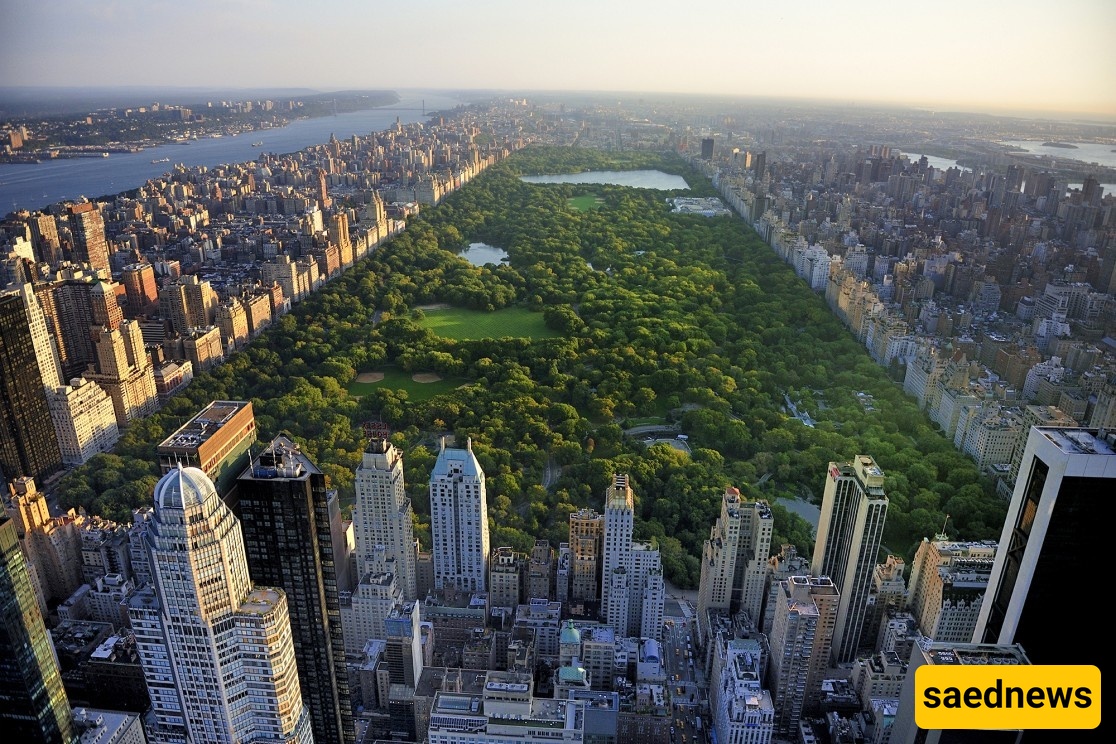
SAEDNEWS: Located in the heart of Manhattan, Central Park is considered one of the largest modern parks in the United States and has become one of New York City’s most popular tourist attractions.
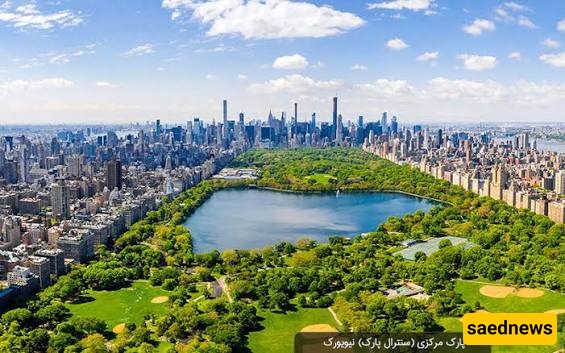
According to Saednews, Central Park, located in the heart of Manhattan, is one of the most famous urban parks in the world. Surrounded by New York City’s towering buildings and busy commercial districts, the park provides a peaceful green escape from the energy and crowds of Manhattan.
Often regarded as one of the earliest major modern urban parks in the United States, Central Park was designed by Frederick Law Olmsted and his English-born partner, Calvert Vaux. The park opened to the public in the 19th century and became an important part of New York City’s landscape and cultural identity.
Covering approximately 843 acres (341 hectares), Central Park stretches across Manhattan in a large rectangular shape. Its landscape includes lakes, wooded areas, lawns, bridges, walking paths, gardens, playgrounds, recreational facilities, and historic landmarks.
Millions of people visit Central Park every year, making it one of New York City’s most popular attractions. The park has also been used as a filming location for numerous movies and television productions, including Romeo + Juliet, When Harry Met Sally..., The Avengers, and Breakfast at Tiffany’s.
Central Park is generally open to the public every day from 6:00 a.m. until 1:00 a.m.
The park is especially popular with families, walkers, runners, cyclists, photographers, and visitors looking for a break from the city. On weekends and holidays, many people gather on the park’s lawns and designated picnic areas to relax and enjoy the outdoors.
Central Park was created during a period when New York City was rapidly expanding and residents increasingly needed accessible public green spaces.
Frederick Law Olmsted and Calvert Vaux developed a sophisticated landscape design that combined natural-looking scenery with carefully planned roads, paths, lakes, bridges, gardens, and recreational areas.
Before the park was developed, the area contained rocky terrain, wetlands, farms, and residential communities, including Seneca Village, an African American community that was displaced during the park's construction.
Because much of the original soil was considered unsuitable for the ambitious landscape project, large quantities of fertile soil were brought in from outside Manhattan. The transformation was enormous, turning a challenging piece of land into one of the world's most recognizable public parks.
Today, Central Park contains thousands of trees, several lakes and ponds, extensive woodland, numerous bridges, playgrounds, sports facilities, and miles of walking and recreational paths.
Central Park offers attractions and activities for almost every type of visitor. Some of its most popular highlights include:
The bronze Alice in Wonderland sculpture is one of the park's best-known landmarks. Created by sculptor José de Creeft and dedicated in 1959, the sculpture depicts Alice surrounded by characters from Lewis Carroll's famous story.
The interactive design makes it particularly popular with children, while its distinctive appearance has made it a favorite photo spot for visitors of all ages.
The Central Park Zoo provides visitors with an opportunity to see a variety of animals in the middle of Manhattan. It is a popular attraction for families and can be combined with a visit to other nearby areas of the park.
Belvedere Castle is one of Central Park's most distinctive architectural landmarks. Built in the 19th century on Vista Rock, one of the park's highest natural points, the castle offers attractive views across the surrounding landscape.
Its elevated location and fairytale-like appearance make it one of the park's most photographed structures.
Bethesda Fountain, located at Bethesda Terrace, is one of Central Park's most iconic landmarks.
The centerpiece is the famous bronze Angel of the Waters, created by Emma Stebbins. The sculpture was unveiled in the 19th century and became one of the park's most recognizable works of public art.
The angel stands above the fountain with four smaller figures representing themes traditionally associated with health, purity, temperance, and peace.

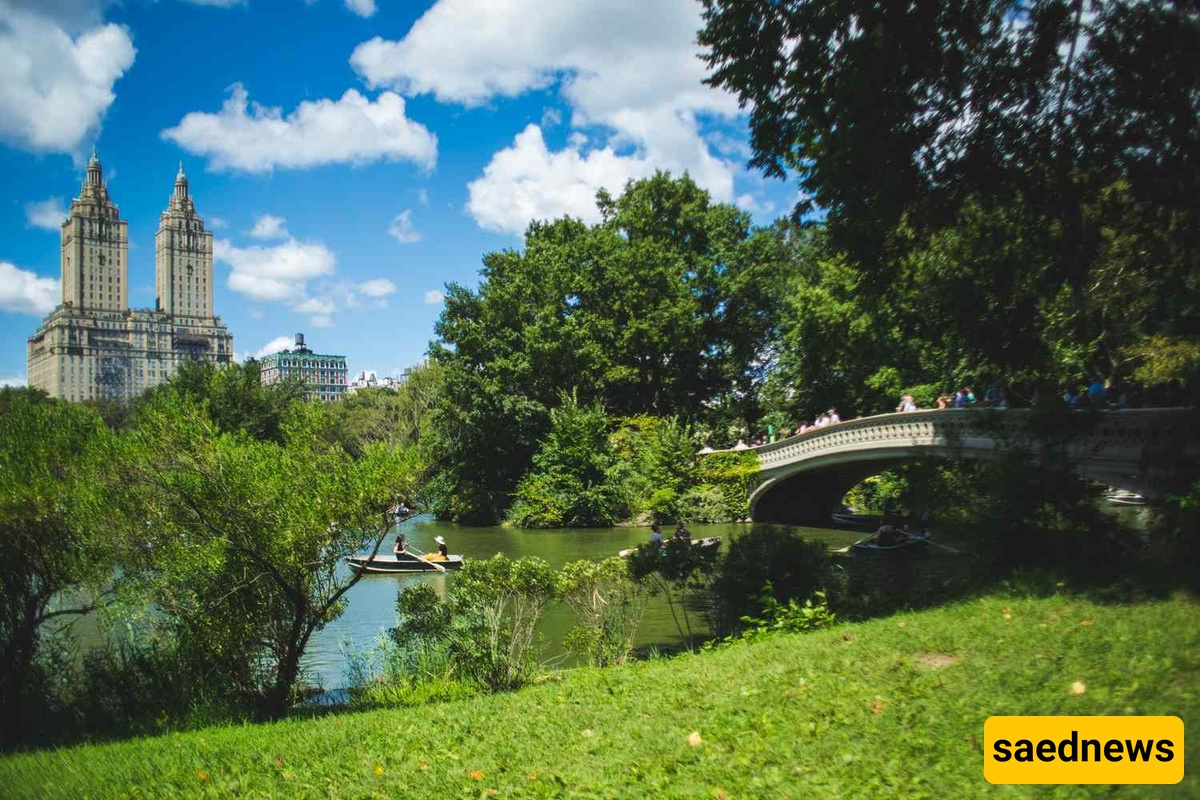
Visitors can rent a rowboat and explore the picturesque Central Park Lake. Boating provides a different perspective of the park and offers beautiful views of the surrounding trees, buildings, and bridges.
One of the most famous landmarks on the lake is Bow Bridge, an elegant cast-iron bridge that has become a favorite location for photographers, couples, and filmmakers.
Horse-drawn carriage rides have long been associated with the Central Park experience. Visitors can take a ride through the southern section of the park and enjoy views of its landscapes and landmarks.
Carriage rides have also traditionally been used for special occasions, including romantic celebrations, proposals, birthdays, and wedding photography.
Central Park is home to a remarkable collection of public sculptures and monuments.
Among the best-known is the Balto statue, which commemorates the famous sled dog that became celebrated after the 1925 serum run to Nome, Alaska.
The Alice in Wonderland sculpture is another major attraction, while Bethesda Fountain's Angel of the Waters is among the park's most recognizable artistic landmarks.
The park's sculptures add an artistic dimension to its natural scenery and provide visitors with numerous interesting places to explore and photograph.
Central Park contains extensive routes for walking, running, cycling, and skating. Some areas are particularly popular with runners and cyclists, while quieter woodland sections provide opportunities for walking and birdwatching.
The park also includes:
Walking and jogging paths
Cycling routes
Horse-riding areas
Playgrounds
Sports fields
Ice-skating facilities
Natural woodland
Wildlife habitats
Picnic lawns
Boating areas
Outdoor performance spaces
These facilities make Central Park much more than a sightseeing destination. It is also an important recreational space for New York residents.
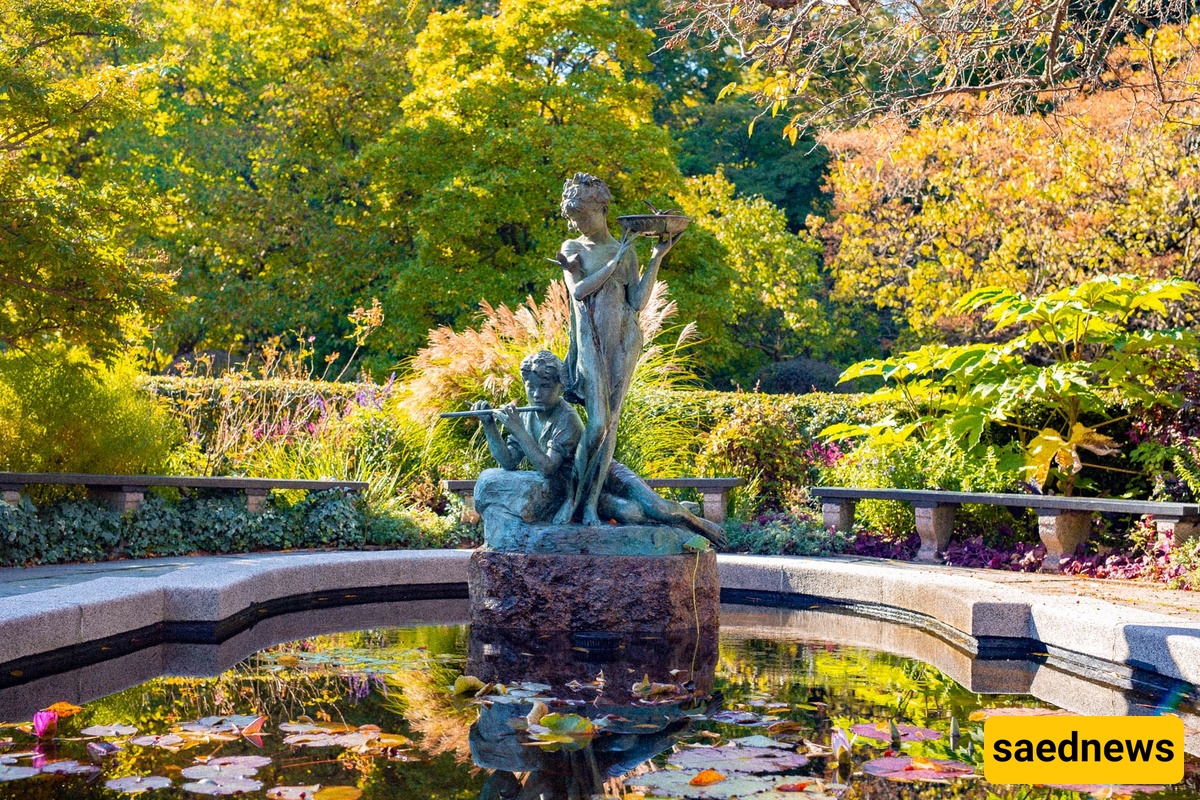
Shakespeare Garden is a charming garden inspired by the plants and flowers mentioned in William Shakespeare's works.
The garden offers a quieter atmosphere away from some of the park's busier attractions and is especially appealing to visitors interested in literature, gardening, and photography.
The Conservatory Garden covers several acres and is divided into three distinct sections inspired by European garden traditions: French, Italian, and English styles.
Its formal landscaping, fountains, flowers, and carefully designed pathways create a setting that feels very different from the city's surrounding skyscrapers.
Central Park provides large areas of open lawn where visitors can relax, have picnics, read, sunbathe, or simply enjoy the scenery.
One of the most popular open spaces is the Great Lawn, which is also used for recreational activities and large public events.
For visitors who want to experience Central Park at a slower pace, spending a few hours on the grass with a picnic is one of the simplest and most enjoyable ways to explore the park.
Central Park has a long history of hosting public performances, cultural events, and concerts.
One of the best-known venues is the Delacorte Theater, famous for its Shakespeare in the Park performances. Other areas of the park have also hosted major musical events and large public gatherings.
The park's open-air performance tradition has helped establish Central Park as an important cultural venue as well as a recreational destination.
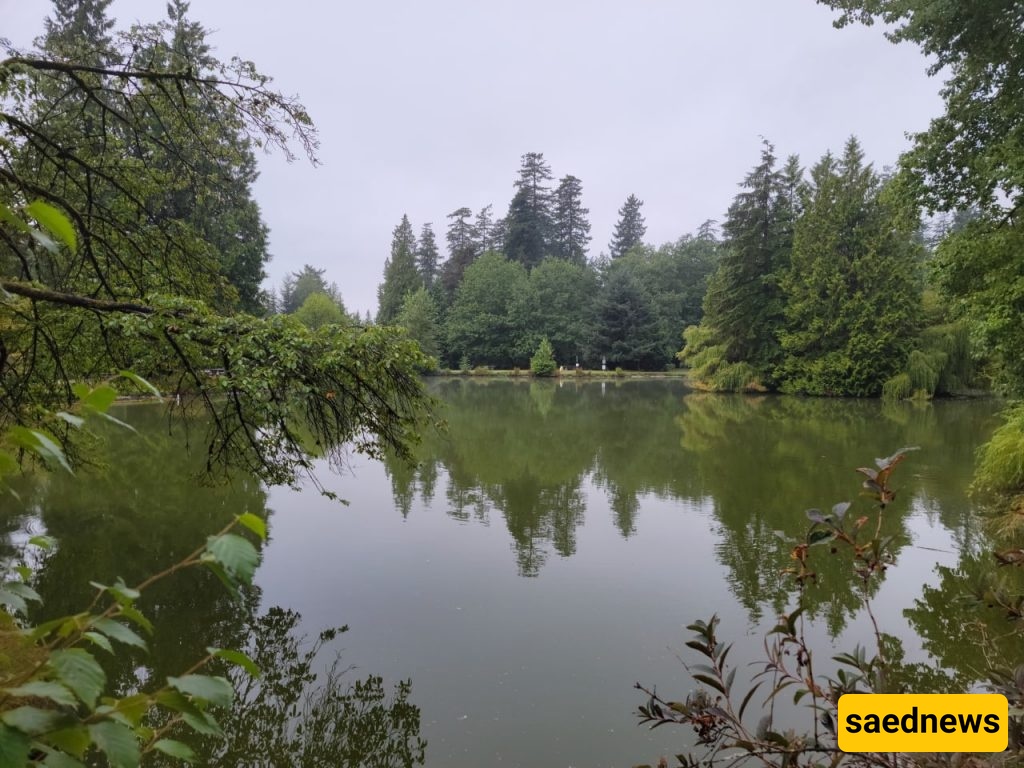
Central Park offers something that is difficult to find elsewhere in Manhattan: an enormous natural landscape surrounded by one of the world's busiest cities.
Visitors can walk beneath mature trees, explore lakes and gardens, visit historic structures, see public art, enjoy outdoor activities, or simply sit on the grass and watch the city go by.
Whether you are visiting New York for the first time or returning to the city, Central Park is one of the places that best captures the contrast between Manhattan's urban energy and its need for open, peaceful spaces.
Central Park can be visited throughout the year, and each season gives the landscape a different character.
Spring brings blooming flowers and fresh greenery, while summer is ideal for picnics, boating, walking, and outdoor events. Autumn is particularly popular because the park's trees turn vibrant shades of yellow, orange, and red. Winter offers a quieter atmosphere, with snow-covered landscapes and seasonal ice-skating.
For a first visit, early morning or late afternoon can be especially pleasant, when the park often feels less crowded and the light is excellent for photography.
Central Park is far more than a large city park. It is a historic landscape, recreational destination, cultural venue, outdoor museum, and peaceful retreat all in one.
From Bethesda Fountain and Bow Bridge to Belvedere Castle, the Central Park Zoo, Alice in Wonderland, Shakespeare Garden, and its extensive lawns and woodland, the park offers countless ways to spend a day in Manhattan.
A visit to New York would hardly be complete without experiencing at least part of Central Park.