SAEDNEWS: Kolkata, Spices, Tea, India, The Most Indian City, Top Attractions in Kolkata, Victoria Memorial, BBD Gardens, Indian Handicrafts, Sacred Hooghly River, Imitation Jewelry
According to Saednews, Kolkata, one of India’s major cities, was once the most populous city in the country. Today, Delhi and Mumbai have surpassed it in population. From 1772 to 1911, Kolkata served as the capital of British India, before the seat of government was transferred to New Delhi.
In 2001, the city’s name was officially changed from Calcutta to Kolkata to better reflect its Bengali pronunciation. However, the traditional name Calcutta is still used in some languages, including Persian.
Kolkata is the capital of West Bengal and the former capital of India. Although it was once the country’s most populous city, it eventually lost that distinction to Delhi, along with its status as the capital. Today, Kolkata is known for its vibrant atmosphere, winding streets, restaurants, lively nightlife, and fascinating attractions that reflect the richness of Indian culture.
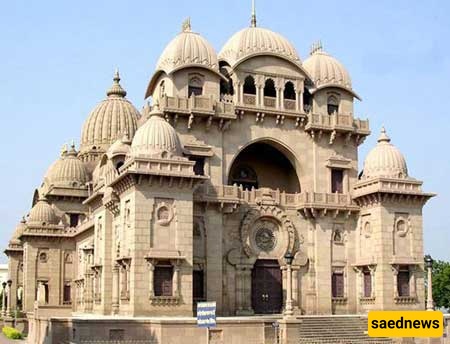
Kolkata has a hot and humid climate. Winters are generally short, lasting around six weeks, with temperatures rarely falling below 10°C. May is usually the hottest month, with temperatures approaching 40°C.
Every season attracts visitors for different reasons. However, summer holidays and January can be busy travel periods. If you are not accustomed to extreme heat, it is worth considering the weather before planning your trip.
Indian cuisine is often rich in spices and chilli, and the combination of spicy food and hot weather can be challenging for some travellers. Drink safe water, try refreshing lemon drinks, and take care when sampling unfamiliar dishes. Considering the climate and your dietary preferences can help you choose the best time to visit.
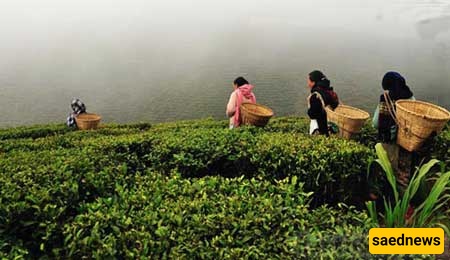
If you arrive by air, your first stop will likely be Netaji Subhas Chandra Bose International Airport, a modern airport located approximately 20 kilometres from the city centre. Taxis and buses are available for transfers, and rail connections also link the airport with parts of the city. If a taxi does not use a meter, agree on the fare before beginning your journey.
Kolkata has a diverse public transport network, including buses, yellow taxis, ferries, the metro, suburban trains, trams, and three-wheeled rickshaws.
The Kolkata Metro was India’s first underground railway, while the city’s historic tram network is particularly distinctive. Ferries carry passengers across the river, and rickshaws are especially common in older neighbourhoods in North Kolkata. Southern Kolkata, by contrast, is a more modern and rapidly developing area that serves as an important commercial centre.
Buses operate along several routes throughout the city. If you are unfamiliar with the area, ask the driver for assistance in identifying the correct route and destination.
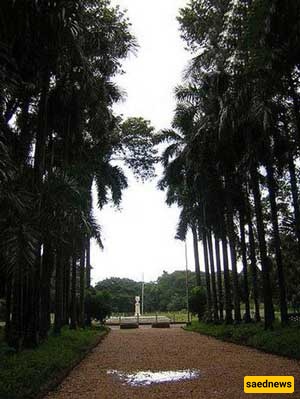
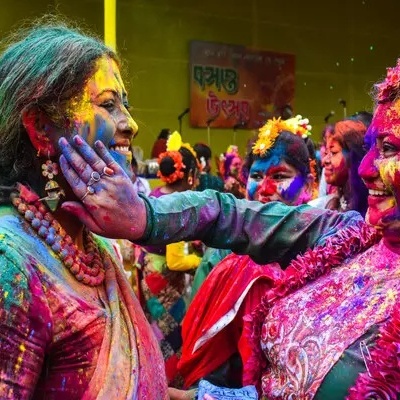
Colour is an essential part of everyday life in India, appearing in clothing, jewellery, architecture, street decorations, and religious celebrations. During festivals, Kolkata becomes especially vibrant.
One of the city’s most important celebrations is Durga Puja, a major Hindu festival honouring the goddess Durga. Elaborately decorated temporary structures, known as pandals, are erected throughout the city. Visitors can experience religious ceremonies, cultural performances, music, and artistic displays that transform Kolkata into a spectacular celebration of tradition and creativity.
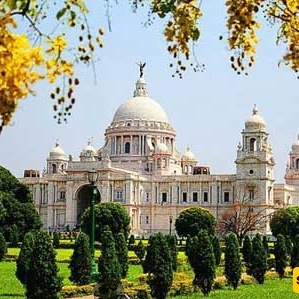
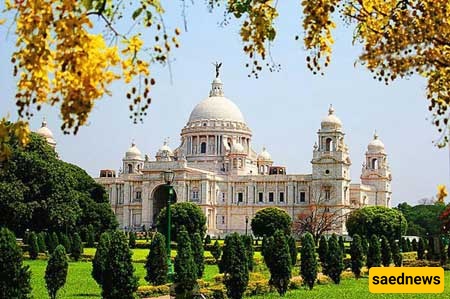
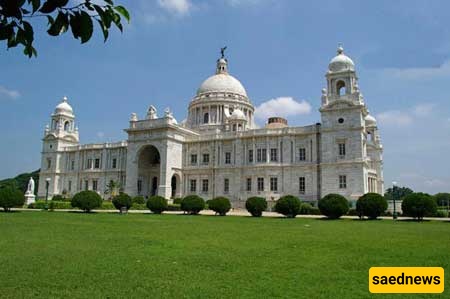
One of Kolkata’s most recognisable landmarks is the magnificent Victoria Memorial, a grand marble monument built during the British colonial period in memory of Queen Victoria. Surrounded by beautifully landscaped gardens, it attracts both tourists and local residents.
After visiting the memorial, take a walk along Chowringhee Road, now known as Jawaharlal Nehru Road, where greenery, historic buildings, and busy city streets create a memorable urban experience.
Located near the Maidan area, Fort William is a historic military fortress associated with British rule in India. The site remains an active military installation, and public access is restricted. Visitors should check current access rules before planning a visit.
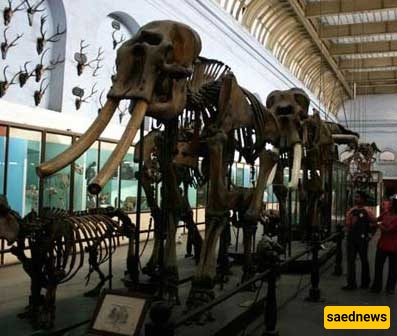
The Indian Museum, established in 1814, is one of the oldest and most significant museums in India. Its extensive collections include archaeological discoveries, fossils, sculptures, artworks, and objects representing Indian and international history.
The surrounding central district also offers numerous restaurants, including establishments serving Indian, Chinese, and international cuisine.
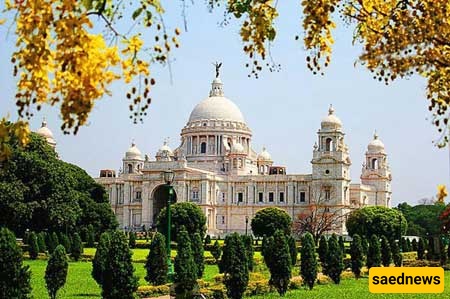
Many visitors choose accommodation around Chowringhee Road because of its central location and convenient access to major attractions, restaurants, and transport links. Hotel rates can rise during busy travel periods.
Sudder Street is another popular option, particularly for budget-conscious travellers seeking affordable accommodation and easy access to public transportation.
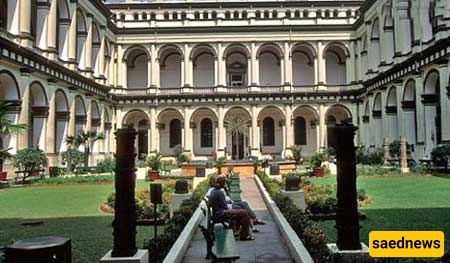
B.B.D. Bagh, formerly known as Dalhousie Square, is one of Kolkata’s most historically significant districts. The area is surrounded by colonial-era buildings, offices, shopping facilities, and important architectural landmarks.
Nearby, visitors can explore parts of the city’s historic Chinese and Armenian communities. Although Kolkata’s Chinese population is smaller than it once was, Chinese markets, temples, and culinary traditions remain part of the city’s cultural identity.
The Armenian Church of the Holy Nazareth, built in 1724, is an important reminder of the Armenian community’s long-standing presence in Kolkata.
The wider district contains numerous colonial-era buildings, some several centuries old, that continue to serve as offices and public institutions.
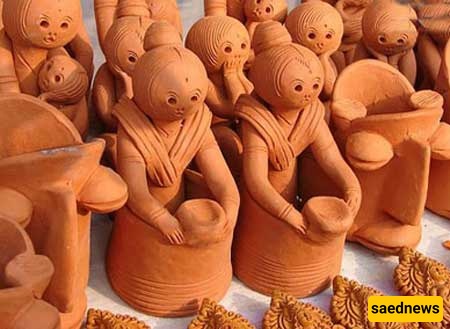
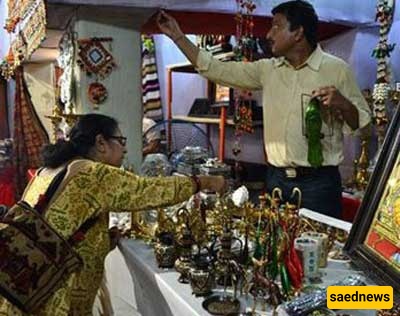
Kolkata is an important centre for Indian handicrafts and traditional craftsmanship. Visitors can find leather goods, carved wooden objects, embroidered textiles, decorative items, and other handmade products that showcase regional artistic traditions.
Large shopping centres, including Metropolis Mall near Highland Park and Metro Plaza near the British Deputy High Commission area, offer a range of modern retail options. Traditional goods can also be found in local markets, where prices may be more affordable.
Choosing between jewellery, clothing, incense, spices, and handmade souvenirs can be difficult. Many travellers enjoy bringing home small reminders of Kolkata’s distinctive colours, aromas, and craftsmanship.

If you have extra time in Kolkata, consider visiting the Hooghly River, a major waterway that forms part of the Ganges river system. The river has deep cultural and religious significance, and its banks offer opportunities to observe local life and traditional ceremonies.
During Durga Puja, many Durga idols are immersed in the river as part of the festival’s closing rituals. This symbolic act represents the goddess’s return to her divine home and is an important part of Kolkata’s religious and cultural heritage.
Kolkata is a city where colonial architecture, historic neighbourhoods, colourful festivals, traditional markets, distinctive transport, and rich culinary traditions come together. From the grandeur of Victoria Memorial to the lively streets and peaceful riverbanks, the city offers travellers a compelling glimpse into India’s history and contemporary culture.
For those seeking a destination with character, heritage, and an unmistakably Indian atmosphere, Kolkata is well worth exploring.