SAEDNEWS: Holi Festival of Colors in India – About the Holi Festival of Colors in India – History of Holi in India – Holi Festival Images – Photos of Holi in India
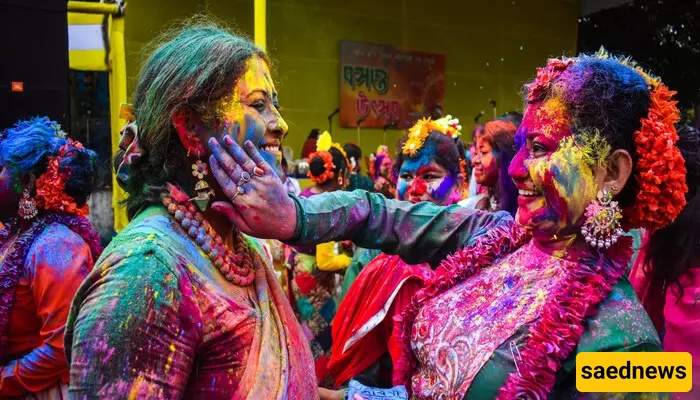
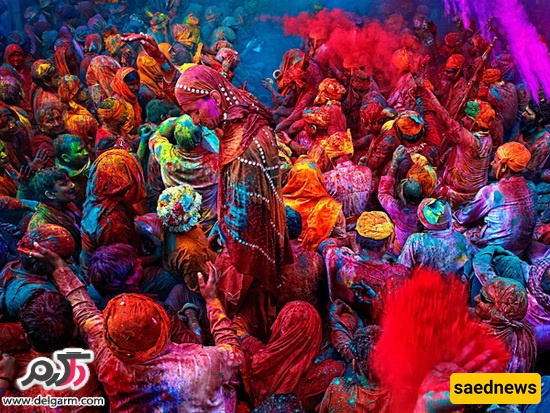
Holi, also known as the Festival of Colors, is a traditional Indian celebration held every year at the beginning of spring. It symbolizes the triumph of good over evil and is a lively, colorful festival that brings people together.
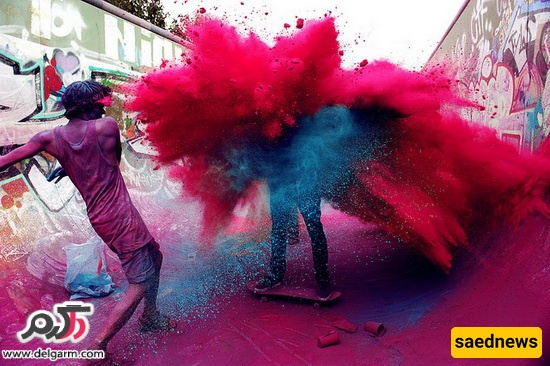
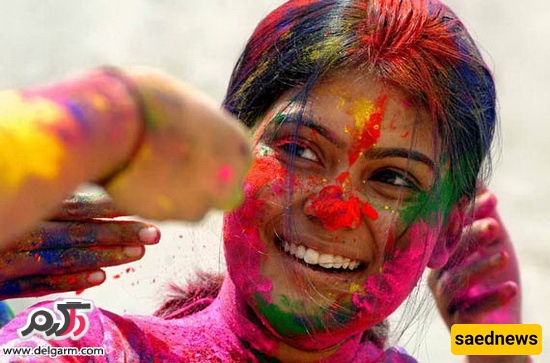
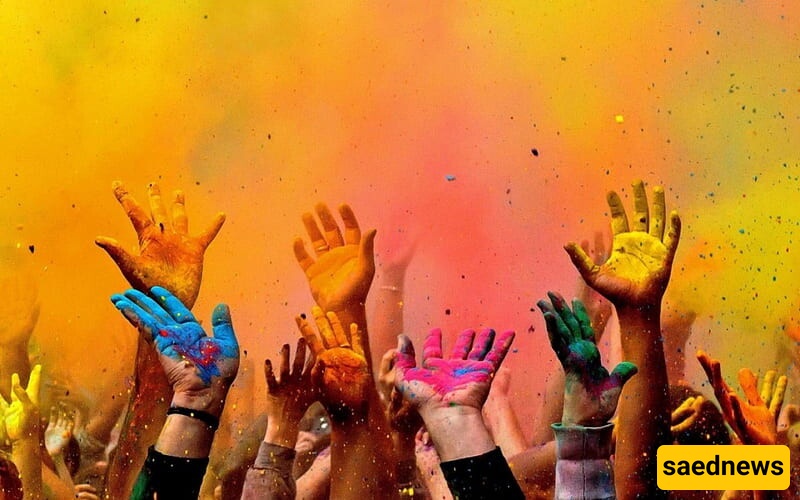
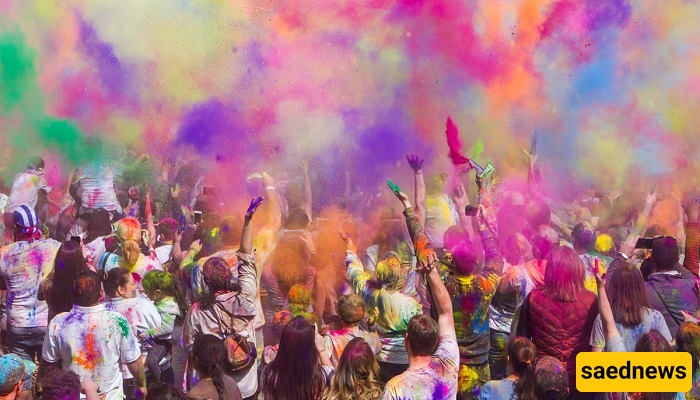
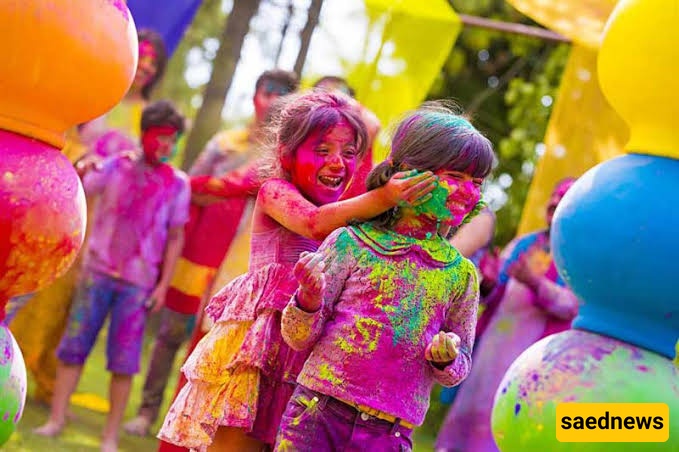
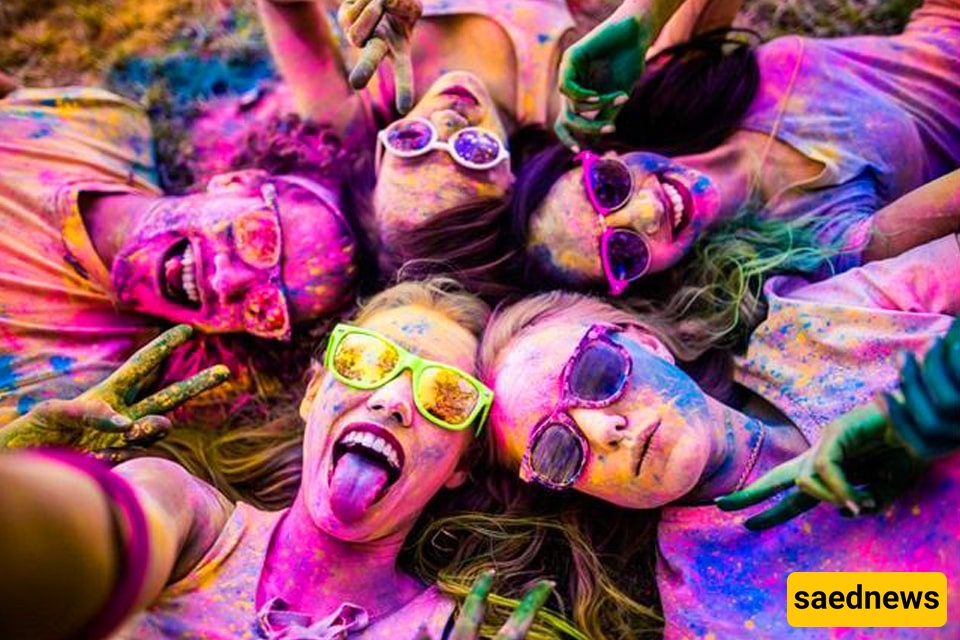
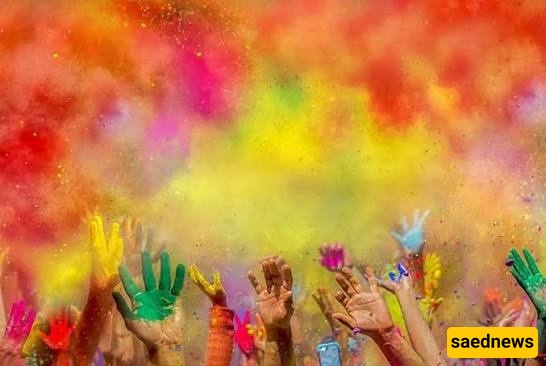
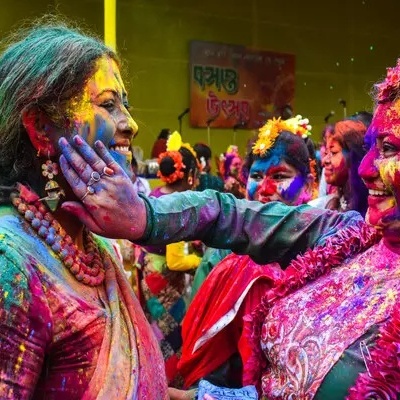
During Holi, people throw colored powders and splash colored water at one another. The festival has its roots in Indian mythology and is celebrated particularly in northern, western, and eastern India. It takes place at the beginning of spring, traditionally on the full-moon night in February or March. In 2014, Holi was celebrated on March 17.
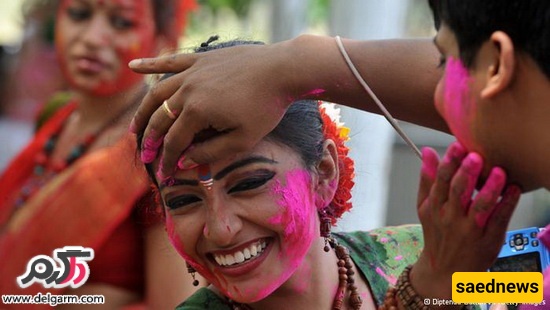
Holi begins with religious ceremonies and continues with music, dancing, and colorful celebrations. According to Hindu mythology, Krishna, one of the major Hindu deities, was born in Mathura, a city in northern India. In Mathura, Holi celebrations last for 16 days.
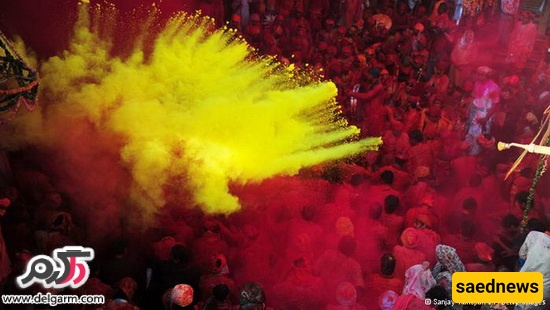
Following commemorative rituals at the beginning of the festival, people throw colored powders at one another and sing songs in praise of Krishna and his consort, Radha.
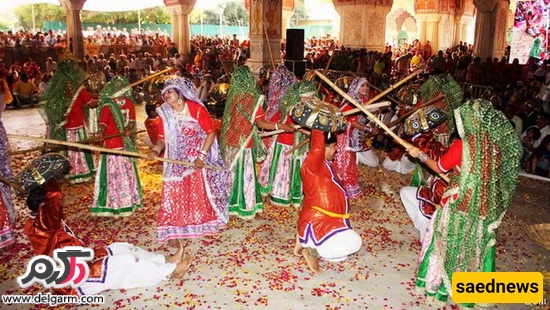
In Barsana, a town in Uttar Pradesh, Holi is celebrated with sticks and staffs. Men sing playful, teasing songs while women, who partially cover their faces, symbolically beat the men in a lively traditional ritual.
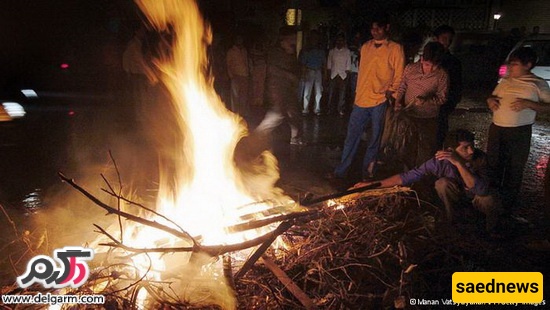
Holi symbolizes the victory of good over evil. For this reason, large bonfires are lit on the night before the main celebration. Hindus regard these fires as symbols of the power that destroys evil and wickedness. Environmentalists, however, have long criticized the practice of lighting these bonfires.
Holi is sometimes described as India’s “fifth season.” During the festival, people set aside their disagreements and hostilities. Peace and harmony are central themes, while visiting relatives and friends is another important tradition.
Holi is not celebrated exclusively in India. In countries such as the United States, the United Kingdom, Canada, and Australia, where large Indian communities live, the festival has become an established part of their cultural traditions.
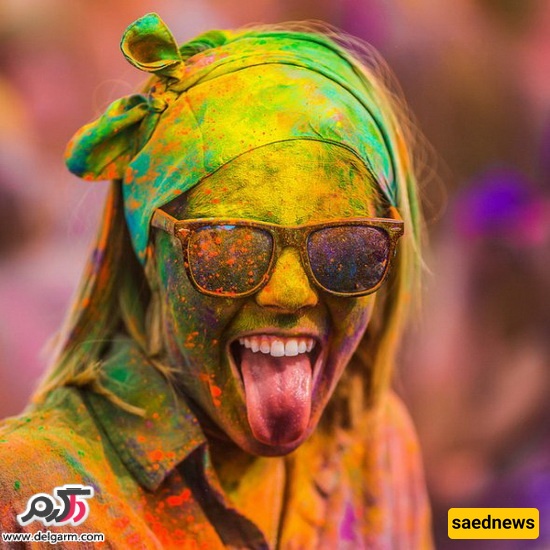
In northern India, traditional folk songs are performed to the rhythm of drums. Men and women wear traditional clothes that are often dyed in bright colors for the occasion.
One ancient custom that survives in Rajasthan allows people to exchange insults freely and playfully during the celebrations.
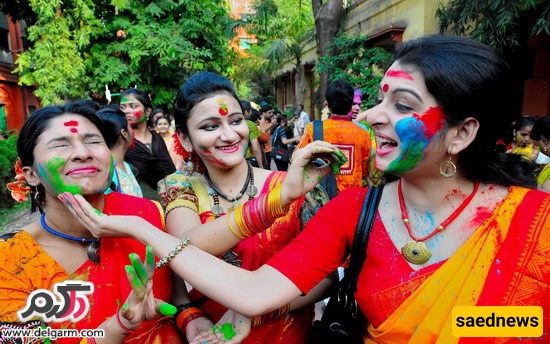
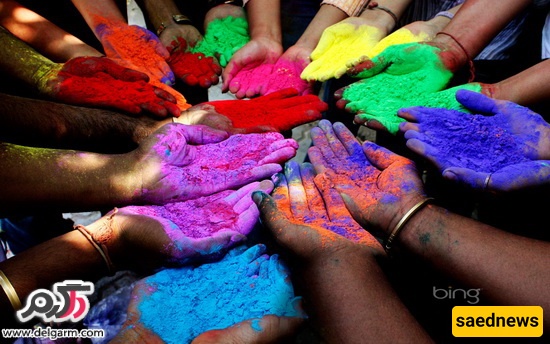
The colored powders used during Holi are as vibrant as the clothing worn by festival participants. Traditionally, these colors were made from flower petals and various plants, including turmeric. In many places, balloons filled with colored water are also thrown or burst over crowds, spreading color everywhere.
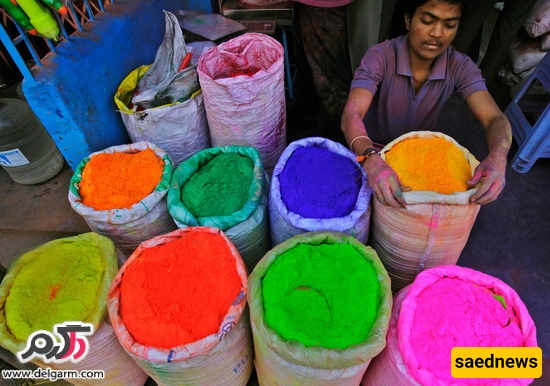
In the past, Holi colors were stored in metal containers. Today, plastic containers and other plastic items are increasingly used because they are cheaper.
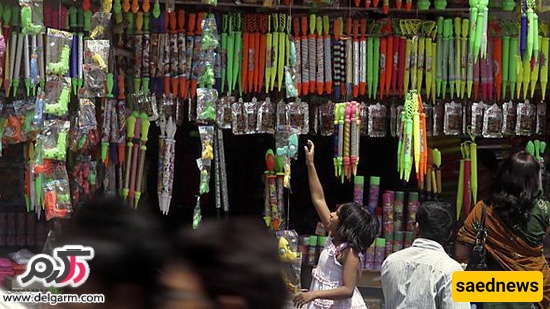
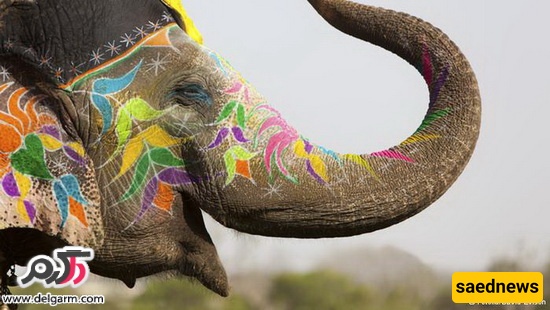
During Holi, it is not only people and houses that are decorated. Elephants, which hold an important place in Indian society and tradition, are also adorned and decorated for the festival.
Discover more images of India’s vibrant Festival of Colors and explore the traditions, rituals, and celebrations that make Holi one of the country’s most joyful festivals.