SAEDNEWS: Discover the most delicious fish varieties from southern Iran, including Shorideh, Hamour, and Sebiti, along with the best cooking methods for each.
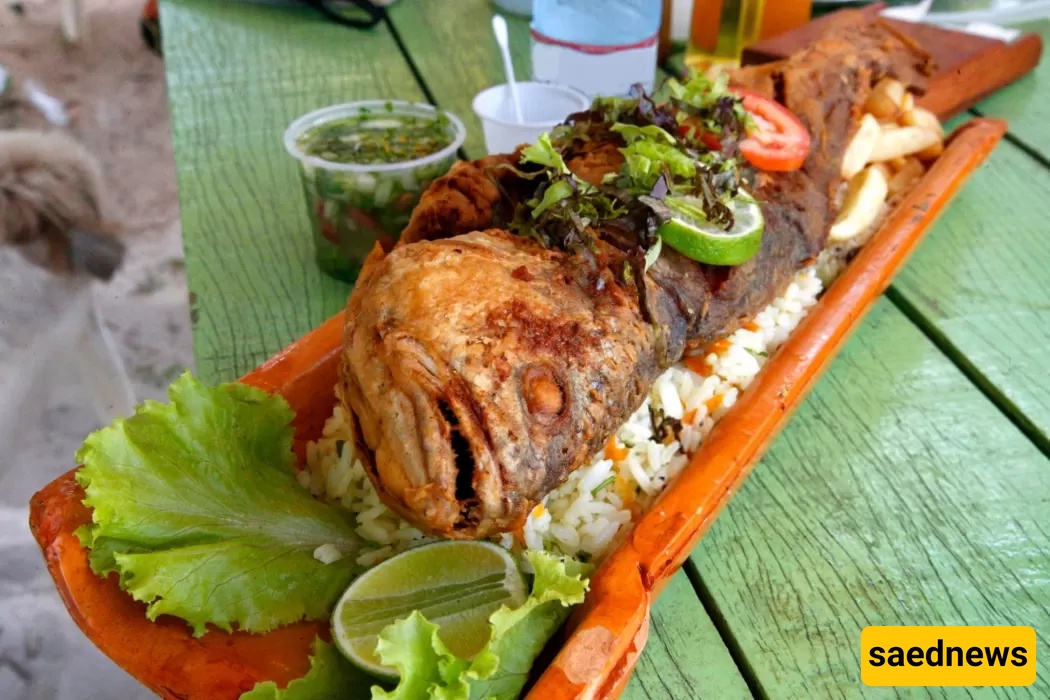
According to Saednews, The warm, crystal-clear waters of the Persian Gulf and the Gulf of Oman are home to an incredible variety of delicious seafood. Fish from southern Iran are an essential part of the region’s culinary heritage and are popular throughout the country for their distinctive flavors, tender textures, and impressive nutritional value. But which southern Iranian fish tastes the best? There is no simple answer. Each species offers a unique combination of flavor and texture, and the best choice depends on personal preference, cooking method, and even the fishing season.
Before exploring the most popular varieties, it is helpful to understand what makes a fish particularly flavorful. Several factors contribute to its overall quality:
Flavor and aroma: High-quality fish have a mild, slightly sweet flavor without an unpleasant fishy smell.
Texture: Fish can range from soft and delicate, like croaker, to firm and dense, like kingfish.
Fat content and moisture: The amount of fat influences juiciness and flavor. Richer fish, such as Sabiti and grouper, can be excellent choices for grilling and frying.
Number of bones: Some species contain numerous small bones, while others have larger bones that are easier to remove.
Cooking versatility: A fish that tastes excellent when fried may not be the best choice for steaming or grilling.
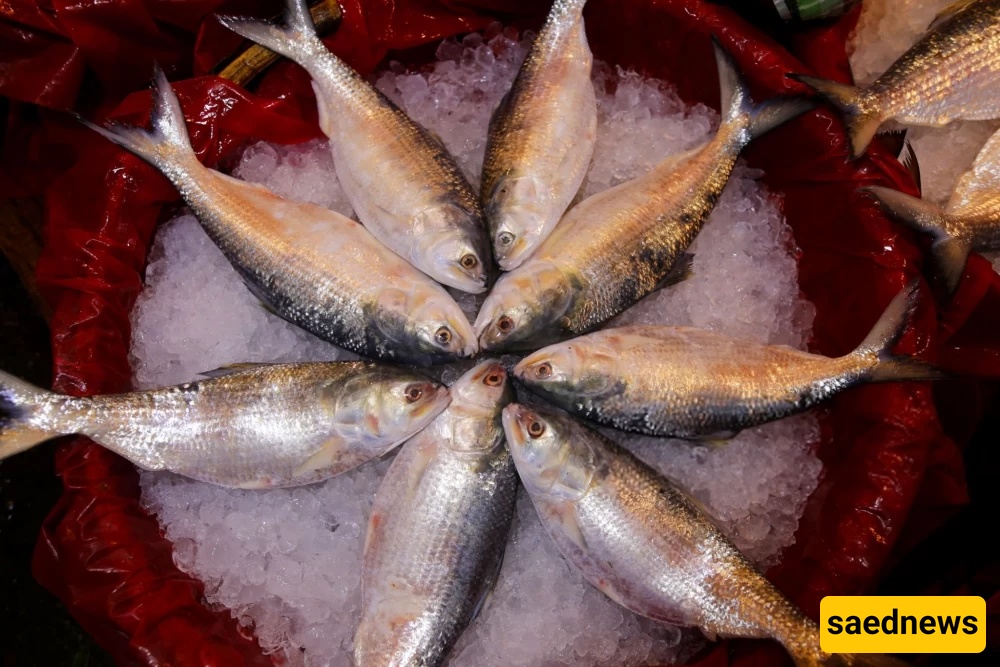
Shurideh is widely regarded as one of the most popular and delicious fish in southern Iran. Recognizable by its elongated body and silvery scales, it is prized for its rich flavor and tender texture.
Characteristics: Croaker has delicate white flesh with a satisfying richness, making it an excellent choice for frying and grilling. Its pleasant aroma becomes especially noticeable during cooking.
Best cooking methods: Pan-frying in hot oil with a little turmeric and salt is a traditional favorite. Grilling over charcoal adds a wonderful smoky flavor.
Tip: Shurideh contains many small bones, so extra care is needed when serving it to children and older adults.
Hamour, also known locally by names such as Golkhork and Jashour, is one of the most valued fish in the Persian Gulf.
Characteristics: Grouper has firm, white flesh that holds together well during cooking. Its flavor is mild and slightly sweet, without a strong fishy odor.
Best cooking methods: Grouper is ideal for grilled fillets, steaming, fish stews, oven-baking, and stuffed-fish recipes.
Tip: Its firm texture makes it a versatile choice for dishes that require the fish to retain its shape.
Sabiti, also spelled Sabeti or Sbeiti, is another highly prized fish in southern Iran, known for its rich flavor and exceptionally tender, buttery flesh.
Characteristics: Its soft, delicate, relatively fatty meat has a pleasant sweetness and a smooth texture that practically melts in the mouth.
Best cooking methods: Sabiti is excellent when fried or grilled. Pan-fried fillets served with fresh lemon juice and aromatic herbs make a particularly delicious meal.
Tip: Because its flesh is delicate, handle it gently during frying to prevent it from breaking apart.
Sangser, also known locally as Sarem, is a prized and relatively expensive fish in southern Iran.
Characteristics: It has white, firm flesh and larger bones that are generally easier to separate. Its flavor is rich and delicious, somewhat similar to grouper, although its texture can be slightly softer.
Best cooking methods: Sangser works particularly well when grilled or pan-fried. It is also a good choice for stuffed-fish dishes.
Tip: Its larger bones can be easier to identify and remove than the numerous fine bones found in some other species.
Shir Mahi, commonly known as kingfish, is one of the distinctive seafood varieties found in southern Iran.
Characteristics: Its flesh is firm and dense, with a pronounced flavor that sets it apart from milder fish. Its characteristic taste and aroma appeal to some people more than others.
Best cooking methods: Kingfish is commonly grilled or oven-roasted. It is also used in traditional southern Iranian fish stews, including Ghalieh Mahi.
Tip: Depending on the species and cut, some portions may contain bones that require careful attention while eating.
Halva Sefid, also known as Zobeydeh, is one of the most sought-after and expensive fish in southern Iran, prized for its sweet flavor and delicate texture.
Characteristics: It has exceptionally tender white flesh with a mild, pleasant sweetness and little fishy odor when fresh.
Best cooking methods: Gentle pan-frying and steaming are excellent options. Grilling can also produce delicious results when the fish is handled carefully.
Tip: Its delicate flesh and premium price make it a popular choice for special meals.
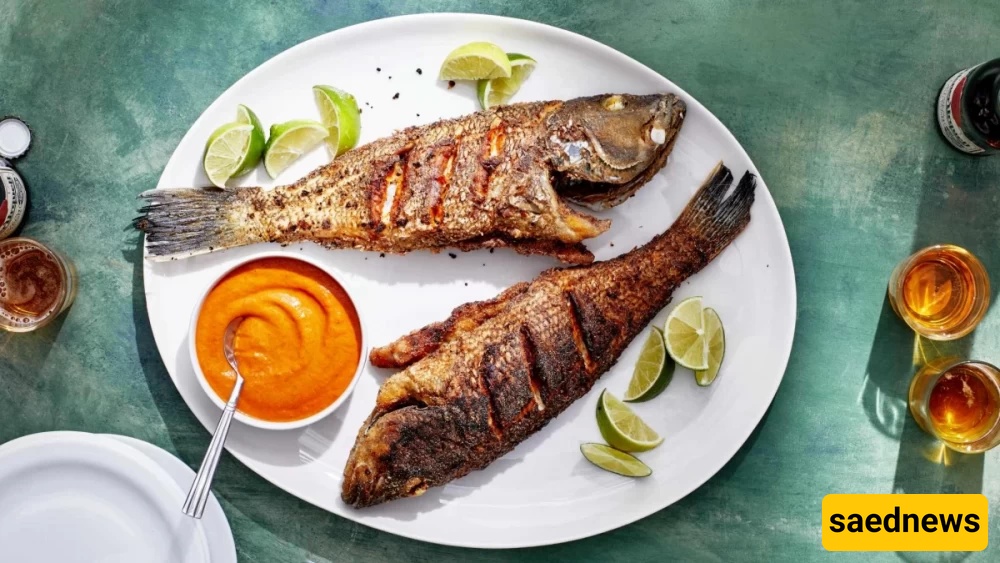
Several other varieties are also widely enjoyed in southern Iranian cuisine:
Kootar (flatfish): Known for its tender flesh and suitability for frying.
Rashgoo: A flavorful fish often compared with Shurideh for its appealing taste.
Shanak (Shari): Has firm, flavorful flesh and works well grilled or fried.
Zardeh: Offers a mildly sweet flavor and soft texture, making it suitable for frying.
Geish (Geish Mahi): Has firm flesh and a mild flavor, making it a good option for grilling and fish stews.
Always prioritize freshness. Signs of fresh fish include clear, bright eyes, reddish gills, a clean marine smell, and firm flesh that springs back when gently pressed.
The best time to buy a particular fish depends on its species and local fishing season. Many southern Iranian fish are especially popular during the cooler months of autumn and winter, although availability and fat content vary throughout the year.
Choose your cooking technique according to the fish's texture and fat content. Richer fish are often excellent grilled or fried, while leaner varieties can work well steamed or gently poached.
Southern Iranian seasonings can greatly enhance the natural flavor of seafood. Popular ingredients include turmeric, cumin, coriander, and dried lime. Fresh lemon juice, garlic, and aromatic herbs can also complement many fish dishes.
Keep fresh fish refrigerated and use it within one to two days, following appropriate food-safety guidance. If freezing, package it securely and use it within approximately three months for best quality, depending on the species and storage conditions.
The best-tasting fish from southern Iran ultimately depends on your personal preferences and the dish you want to prepare.
For delicate, flavorful fried fish: Shurideh is an excellent choice.
For grilling, steaming, and fish stews: Grouper offers firm flesh and a mild, versatile flavor.
For a rich, buttery taste: Sabiti is a standout option.
For firm flesh and premium seafood dishes: Sangser is worth considering.
For a distinctive, pronounced flavor: Kingfish is a popular alternative.
For a luxurious meal with delicate, sweet flesh: Silver pomfret is a particularly appealing choice.
Ultimately, there is no single winner for every palate. Freshness, preparation, seasoning, and cooking technique all play important roles in bringing out the best qualities of southern Iran’s remarkable seafood.