SAEDNEWS: Print catalogs convey trust and authenticity through their tangible feel and lasting physical presence, while digital catalogs offer a modern and flexible solution for dynamic markets with lower costs, easy updates, and interactive features.

According to Saednews, Understanding the differences between digital and print catalog production depends on a brand’s needs and objectives. Each format influences how customers perceive products and how effectively a brand makes a lasting impression. When speed, flexibility, and greater customer engagement are priorities, digital catalogs are often the smarter choice. However, deciding when and where to use digital or print catalogs depends on the overall marketing strategy. A clear understanding of the market and a brand’s specific needs can help strengthen its appeal.
Sharing useful information about the differences between digital and print catalogs can help brands make more informed decisions. This article explores the key factors businesses should consider when selecting the right catalog format for their marketing campaigns.
Although digital and print catalogs differ in production and distribution, both remain valuable marketing tools for businesses. Brands often face this choice when promoting products and introducing new offerings to their audiences. Each format has its own advantages and disadvantages, and the right option depends on business objectives, budget, and target audience. Below is a detailed comparison of the two formats.
Producing printed catalogs involves expenses related to design, printing, materials such as paper and ink, and distribution. These costs can increase significantly when printing large quantities. Any changes or updates may also require another print run, resulting in additional expenses.
Digital catalogs, on the other hand, may require an initial investment in professional design, but their ongoing costs are generally lower. There is no need for physical printing or distribution, and content can be updated quickly without additional printing expenses.
Printed catalogs are distributed physically, which requires time and money to deliver them to potential customers. However, they can be used anywhere and at any time without an internet connection or digital device.
Digital catalogs can be distributed to thousands of people within minutes. They can be shared through email, messaging applications, and websites, allowing businesses to reach audiences without geographical limitations.
Print requirements can significantly influence a brand’s marketing success, depending on its audience and distribution strategy.
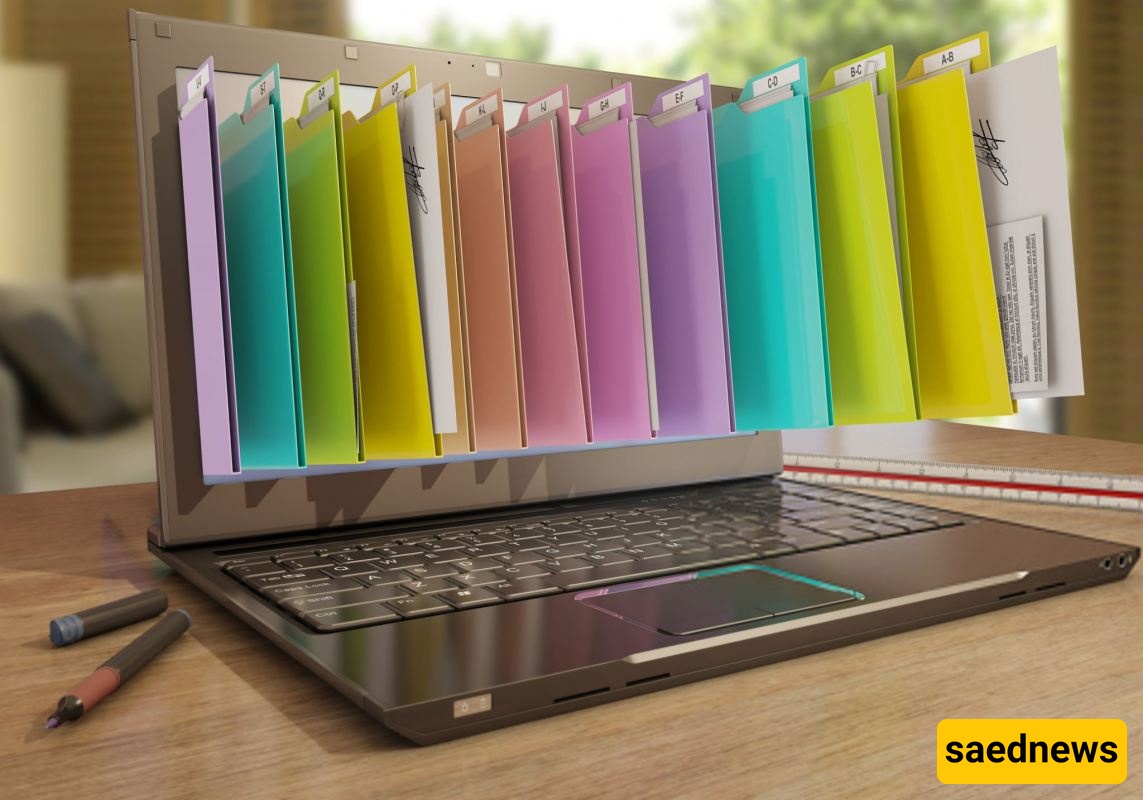
Printed catalogs cannot be easily modified once they have been produced. If a business needs to correct information or add new products, it may have to print the catalog again, which can be both costly and time-consuming.
Digital catalogs offer a more flexible alternative. Businesses can update product information, prices, images, and other details whenever necessary and publish a revised version almost immediately.
Printed catalogs provide a distinctive tactile and visual experience. The feel of the paper and the act of turning pages can communicate authenticity and professionalism. This experience can be particularly valuable for luxury brands and businesses selling premium products. High-quality A4 catalog printing can also help create a polished presentation that appeals to customers.
Digital catalogs support multimedia features such as videos, animations, interactive links, and online order forms. These features can increase engagement, make product information more accessible, and encourage readers to become customers.
Printed catalogs have limited space, which can restrict the amount of information a business can include. Smaller formats, such as A5 catalogs, often require brands to prioritize their most important products and messages. In addition, measuring customer engagement and evaluating a printed catalog’s effectiveness can be difficult.
Digital catalogs offer greater flexibility in terms of content volume and presentation. Businesses can also analyze user behavior, including page views, link clicks, and other engagement metrics. These insights help marketers refine content and improve campaign performance.
Printed catalogs can remain in customers’ homes or offices long after they have been distributed. Their physical presence, combined with the experience of touching the paper and turning the pages, can create a stronger emotional connection and help customers remember a brand.
Digital catalogs offer different benefits, including convenient storage, continuous accessibility, and rapid updates. Their flexibility makes them particularly suitable for short-term campaigns, frequently changing product ranges, and dynamic markets.
However, printed catalogs can involve high production costs, difficult updates, distribution challenges, and environmental concerns. Digital catalogs also have limitations, including dependence on digital devices, potential technical issues, and the need for appropriate design and publishing expertise.
The right choice depends on the nature of the business, its budget, its target audience, and its marketing objectives.
For audiences who appreciate traditional marketing materials and tangible product presentations, printed catalogs may be the better option. When speed, flexibility, lower ongoing costs, and greater customer interaction are more important, digital catalogs can offer a more practical solution.
Some businesses may also benefit from combining both formats to reach different audience segments and maximize the effectiveness of their marketing efforts.

Catalog design involves much more than visual presentation. It plays an important role in attracting customers, communicating brand identity, and supporting marketing objectives. A well-planned design can improve the effectiveness of both digital and print catalogs, helping businesses promote products and strengthen their market position.
A catalog is often one of the first visual touchpoints between a brand and its potential customers. An attractive, professional design can capture attention immediately, whether the catalog is printed or digital.
For example, a company that consistently uses its brand colors, high-quality images, and a clear layout can create a recognizable visual identity. This consistency helps customers remember the brand and distinguish it from competitors.
Catalog design should reflect a brand’s personality and values. A luxury fashion brand, for instance, might use distinctive typography, premium paper, and artistic photography to communicate exclusivity and quality.
These design choices can reinforce the perceived value of its products and build customer confidence. Digital and print catalogs can both support branding when their visual elements align with the company’s overall identity.
Professional catalog design can contribute to better marketing performance. Businesses that invest in thoughtful, creative layouts and compelling product presentations may be better positioned to attract new customers and retain existing ones.
However, the effectiveness of catalog printing as an advertising tool depends on several factors, including design quality, audience relevance, product selection, and distribution strategy.
The impact of catalog design extends beyond visual appeal. Color choices, typography, imagery, layout, and even paper quality can influence how customers perceive a brand and interact with its products. When these elements are carefully considered, catalogs can become more effective marketing assets that support brand recognition and sales growth.
Choosing between digital and print catalog production has become an important decision for businesses seeking to improve their marketing performance.
Printed catalogs provide a tangible, memorable experience. Turning pages and feeling the paper can communicate quality, trust, and authenticity, particularly for luxury brands and specialized products. However, printing, distribution, and updating costs can create challenges for businesses with changing product ranges or limited budgets.
Digital catalogs eliminate physical printing and distribution expenses while enabling fast, widespread sharing. They can be updated easily and enhanced with interactive links, videos, and online ordering forms, creating a more dynamic customer experience.
Ultimately, understanding the differences between digital and print catalogs helps businesses select the format that best supports their audience, budget, brand identity, and marketing goals.