SAEDNEWS: Choosing the right scrolling style for a website depends on brand identity and user experience. This article explores four common scrolling types—long scrolling, infinite scrolling, full-page scrolling, and parallax scrolling—analyzing their advantages and disadvantages for different use cases.
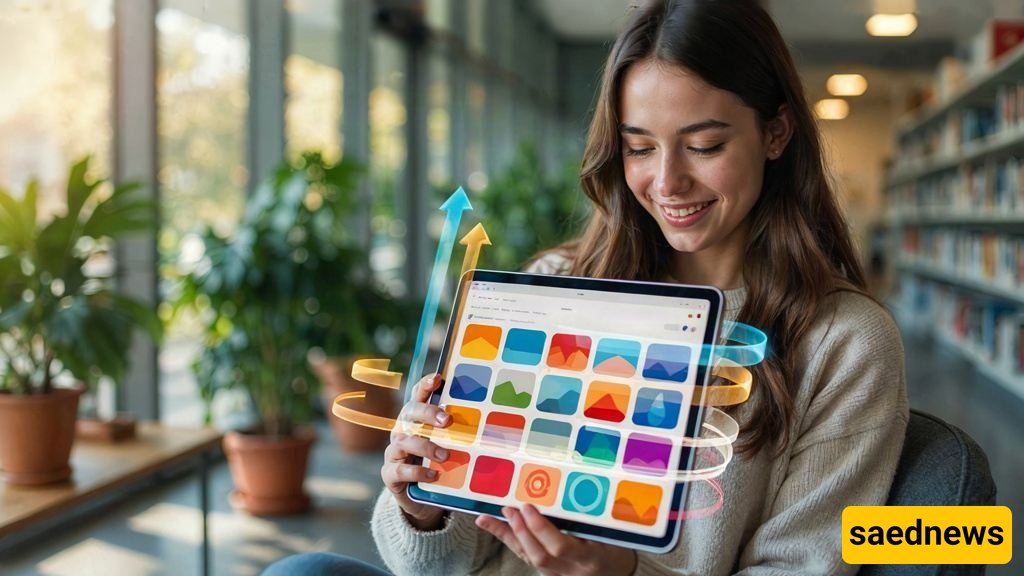
According to Saednews, The scrolling style you use on your website depends on your brand identity and target audience. When choosing a scrolling pattern, consider how it complements your content and supports the user experience. Below, we explore four common types of website scrolling and explain when to use each one.
Browsing a website does not have to be a simple, black-and-white experience. It can also be a storytelling journey that stays in the user's mind long after they begin scrolling.
Long scrolling provides users with a continuous, linear experience, allowing them to explore a story at a natural pace. As they move down the page, new content appears, guiding them through the information step by step.
Many websites use long-scrolling layouts, although this approach can present challenges for search engine optimization (SEO) if the content is not structured properly. However, with the right SEO strategy, a long-scrolling website can still achieve strong search rankings.
This approach works particularly well for businesses with extensive content and websites that feature user-generated content. As users scroll, new information becomes available, encouraging them to stay engaged. Animations and interactive elements can further enhance the experience by introducing new content as users move down the page.
With infinite scrolling, new content loads automatically as users scroll down the page. This pattern is commonly found on social media platforms, news websites, image galleries, and some online stores.
The main goal is to create a seamless browsing experience, allowing users to continue exploring without repeatedly clicking a “Next Page” button.
The primary advantage of infinite scrolling is continuity. However, it is not always the best choice for every website. Returning to previously viewed content or finding a specific item in a long list can become frustrating. It can also create usability challenges on websites where users need to compare information, make careful decisions, or access the footer and other essential page elements quickly.
For this reason, infinite scrolling is best suited to websites where continuous content discovery is the main objective, rather than helping users reach a specific destination quickly.
In full-page scrolling, each section occupies nearly the entire screen. With each scroll action, users move from one complete section to the next.
This style is commonly used on creative websites, product landing pages, portfolios, and websites that aim to deliver a strong visual experience.
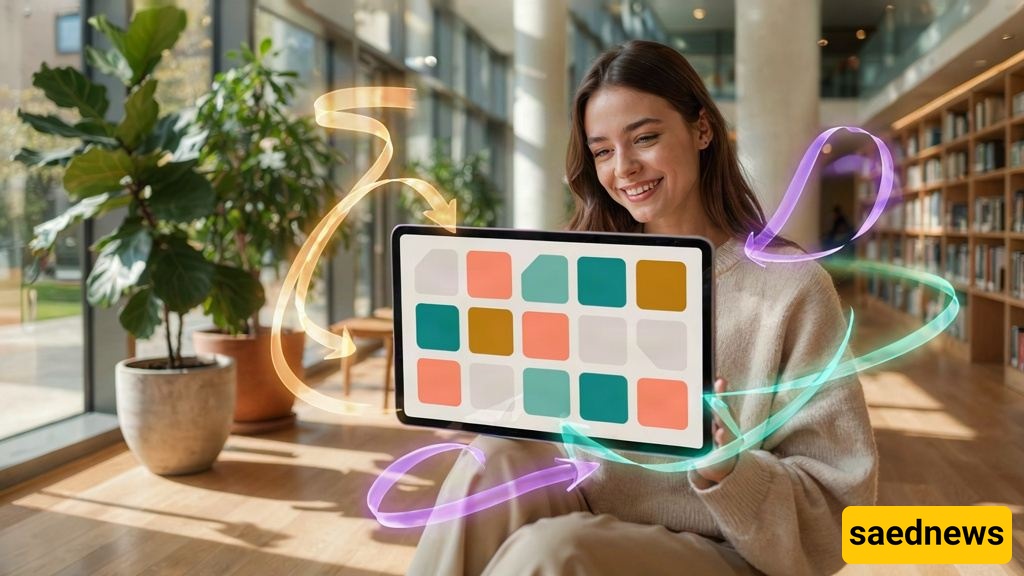
Full-page scrolling can create a polished and engaging presentation by focusing the user's attention on a particular message, image, or section. However, it may feel restrictive when a page contains a large amount of information or when users want to navigate directly to a specific section.
For websites where visitors need to scan content quickly, a full-page layout may not always be the most practical solution.
Ultimately, this scrolling style works best when the primary goal is to deliver a focused visual experience rather than present large amounts of information at once.
Parallax scrolling is one of the most visually appealing techniques in web design. In this approach, different layers of a webpage move at different speeds as users scroll, creating a sense of depth and movement.
Typically, background elements move more slowly than foreground elements, producing an engaging visual effect.
Parallax scrolling can be particularly effective for brand storytelling, creative projects, promotional websites, and online portfolios. It helps designers create memorable experiences and guide users through visually rich content.
However, because this technique relies heavily on visual effects, excessive use can affect website performance and usability. Complex animations and poorly optimized assets may increase loading times and make navigation less comfortable, particularly on mobile devices.
To achieve the best results, use parallax effects selectively and ensure that they enhance the content rather than distract users from it.
The best scrolling style depends on your website's purpose, content structure, and audience expectations.
Long scrolling: Ideal for storytelling, detailed articles, and content-rich landing pages.
Infinite scrolling: Best for social feeds, news platforms, and continuous content discovery.
Full-page scrolling: Suitable for portfolios, creative presentations, and visually focused product pages.
Parallax scrolling: Effective for brand storytelling, promotional campaigns, and immersive visual experiences.
Before choosing a scrolling pattern, consider usability, mobile responsiveness, accessibility, website performance, and SEO. The right approach should make your content easier to explore while supporting your brand identity and business goals.