SAEDNEWS: The extraordinary natural beauty of Banff National Park captivates every traveler, and it is hard to find anyone who does not admire the stunning landscapes and unforgettable charm of this remarkable destination.
According to Saednews, Banff National Park was discovered in 1883 when three railway workers found a natural hot spring in the area. The park was officially established in 1887 after the addition of several facilities and visitor services.
Covering an area of approximately 6,641 square kilometers, Banff National Park is located in southwestern Alberta, bordering British Columbia, and lies within the spectacular Canadian Rocky Mountains.
As Canada’s oldest national park, Banff is renowned for its remarkable biodiversity. Along with three other national parks — Jasper National Park, Kootenay National Park, and Yoho National Park — it has been designated a UNESCO World Heritage Site as part of the Canadian Rocky Mountain Parks.
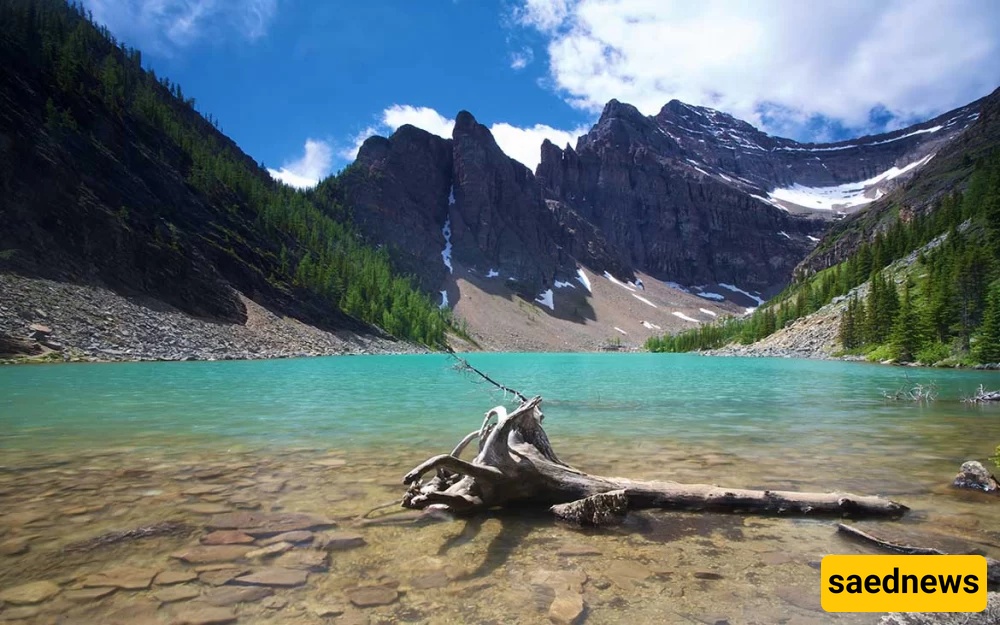
The landscape of Banff is largely mountainous, with peaks formed mainly from sedimentary and limestone rocks. The climate varies depending on elevation and location, but visitors can generally expect cool mountain weather throughout much of the year. Snowfall usually begins in late September and continues until May, with snow accumulation reaching nearly three meters in some areas.
When the park was first established, the railway was the only way to access the area. However, in the early 20th century, as tourism began to grow, road construction started, allowing visitors to easily explore the park by car.
Glaciers, evergreen forests, and breathtaking landscapes quickly attracted thousands of travelers to Banff National Park. According to visitor statistics, the park welcomed around five million visitors in 1990, demonstrating its growing popularity as a global travel destination.
Banff National Park is home to an impressive wildlife population, including more than 50 species of mammals. Different animals can be found depending on their preferred habitats. Mountain goats and bighorn sheep are commonly seen in higher mountain areas, while elk and deer are frequently spotted in forests and wet grasslands.
The park’s lakes also provide habitats for various water birds, including ducks and Canadian geese. The surrounding streams are home to several fish species such as trout, whitefish, and salmon.
Because grizzly bears live in the region, some hiking trails leading into wildlife areas may occasionally be closed for safety reasons. However, these bears usually avoid distant locations such as towns, allowing visitors to safely enjoy designated areas and admire the scenery.
Animal lovers can join half-day summer wildlife tours, where expert guides introduce visitors to some of the most fascinating parts of Banff’s natural environment.
Besides its rich animal life, Banff also features remarkable plant diversity. Visitors can see Douglas fir trees, daisies, low-growing willow trees, and many other native species. During July and August, colorful wildflowers bloom throughout the park, creating stunning landscapes alongside the presence of numerous bird species.
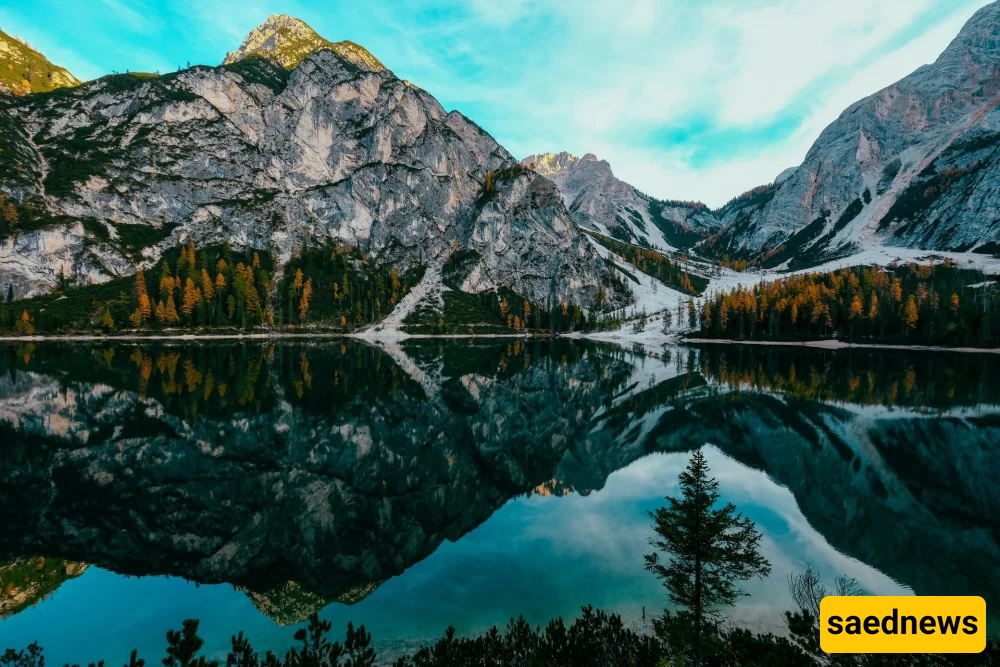
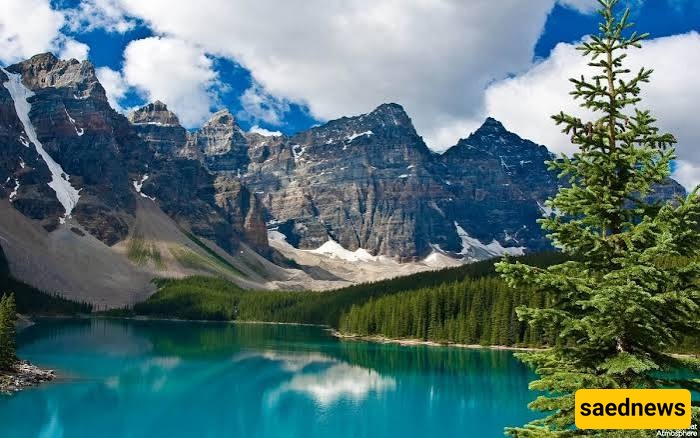
Banff National Park is one of Canada’s greatest natural treasures. Visitors can spend unforgettable hours exploring its lakes, mountains, glaciers, and scenic viewpoints. The reflection of snow-covered peaks on the crystal-clear lakes creates some of the most iconic views in Canada.
Here are some of the most popular attractions in the park:
Visitors can take a gondola ride to the top of Sulphur Mountain and enjoy panoramic views of Banff’s spectacular landscapes. From this high viewpoint, the beauty of the surrounding mountains and valleys becomes even more impressive.
Mountain restaurants located near the summit offer visitors the chance to enjoy delicious meals while overlooking the breathtaking scenery.
Located at the southern end of the national park, the small town of Banff is surrounded by a dramatic chain of mountains.
Many travelers visit the town after exploring the park to enjoy restaurants, shopping, and accommodation options. Over time, Banff has become one of Alberta’s most important tourist destinations.
The Fairmont Banff Springs Hotel is one of the most recognizable landmarks in the town of Banff. Built in 1888 during the early years of the park’s development, this castle-like hotel continues to impress visitors with its historic architecture and beautiful forest surroundings.
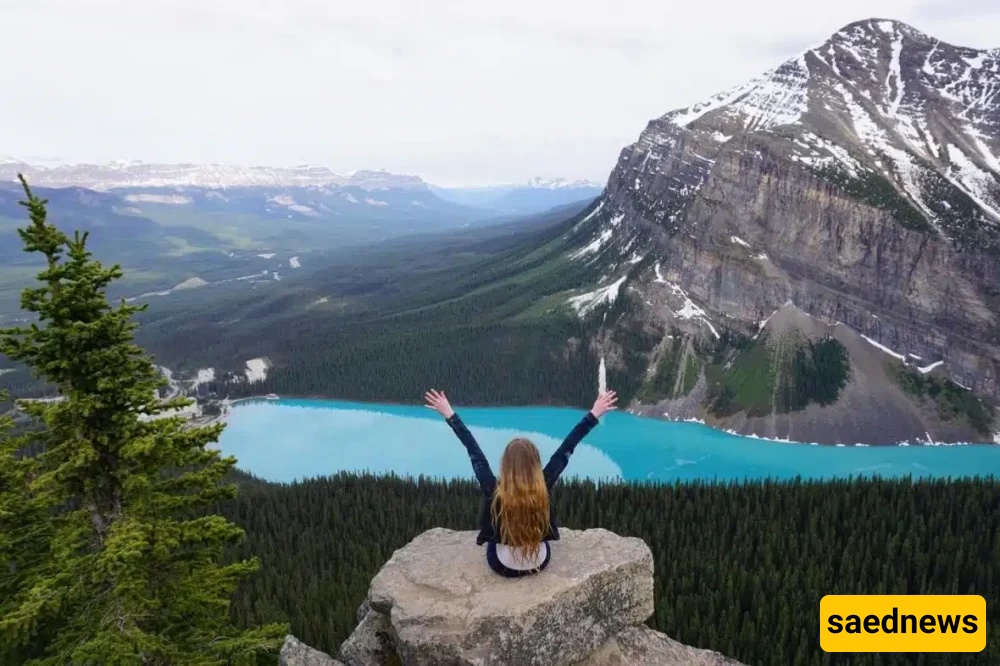
Sunshine Village is one of the two premier ski resorts in Alberta and is located just outside the town of Banff.
During winter, it becomes a popular destination for skiing and snowboarding, while in summer it attracts hikers and mountain explorers. Visitors can also take buses to higher elevations to enjoy incredible mountain views.
The Icefields Parkway is one of Canada’s most scenic roads. It passes through the northern section of Banff National Park and connects the Trans-Canada Highway with routes leading toward the Rocky Mountains.
Despite being called a highway, this route feels more like a scenic journey through nature. Turquoise waterfalls, snow-covered mountain peaks, and wildlife such as mountain goats and bighorn sheep make this drive unforgettable.
Located about 26 kilometers from Bow Valley, Johnston Canyon features two beautiful waterfalls near its entrance that immediately attract visitors.
A six-kilometer hiking trail takes travelers through the canyon and leads to a series of stunning blue and green pools. These natural formations are beautiful throughout every season of the year.
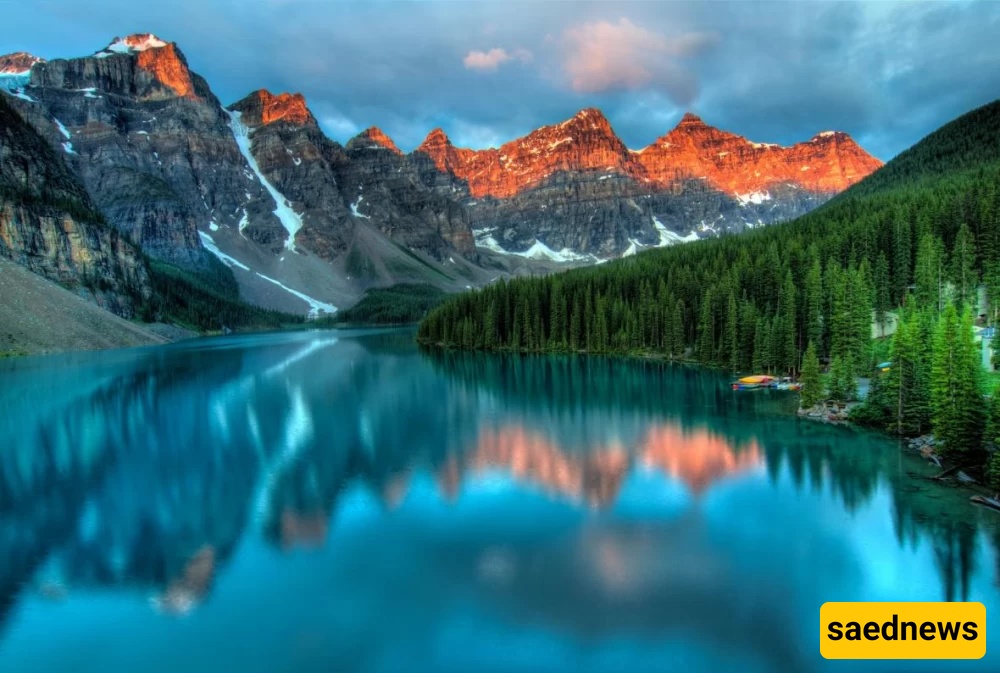
Lake Minnewanka is the largest lake in Banff National Park and is located about 11 kilometers northeast of the town of Banff.
Visitors can enjoy peaceful walks along the shoreline and surrounding mountains. Motorboat activities are also permitted on the lake, providing another way to experience its beauty.
Reaching Lake Louise is an unforgettable experience. Many visitors are amazed by its beauty the moment they see the turquoise waters surrounded by mountains.
No matter how many descriptions or photographs people see beforehand, the first real-life view of Lake Louise is often breathtaking.
Because of glacier-fed waters, the lake remains frozen for much of the year. Wildlife such as deer and other mountain animals can also be found in the surrounding areas, with protective barriers helping maintain safety for both visitors and animals.
Lake Louise Ski Resort is considered one of Canada’s top skiing destinations, attracting winter sports enthusiasts from around the world. The view of the Fairmont Chateau beside the lake creates a scene that looks almost like a painting, as if the castle rises directly from the water.
Many people describe Banff National Park as a living painting because it combines mountains, lakes, rivers, glaciers, wildlife, forests, and countless outdoor activities in one extraordinary location.
From hiking and mountain climbing to golf, skiing, wildlife tours, and scenic drives, Banff offers a rare combination of natural beauty and adventure that makes it one of the most spectacular destinations in Canada.